
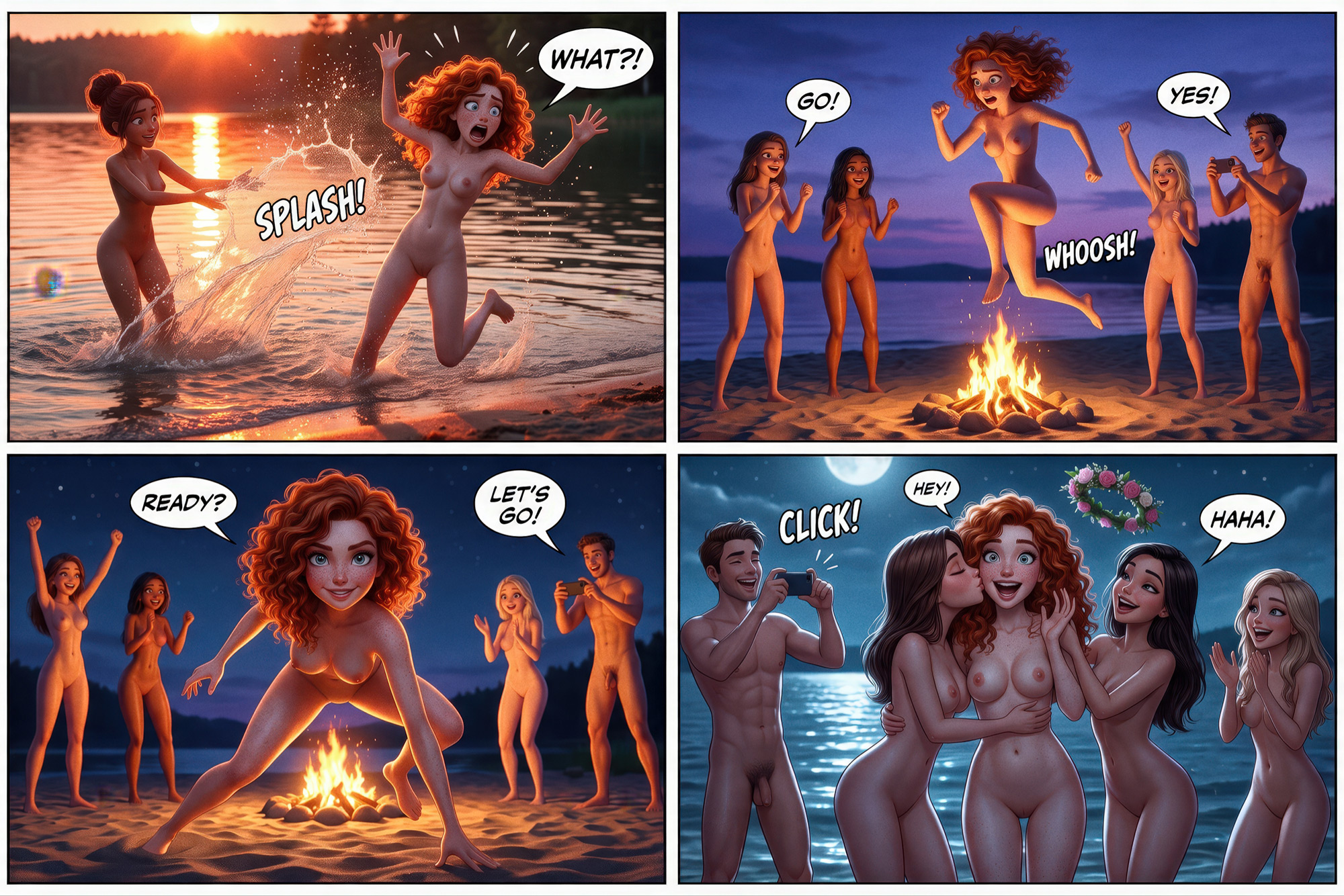
Klara: 32-летняя рыжая отправилась на обычный ночной пикник с четырьмя друзьями, но разговор о старинных традициях Ивана Купалы полностью изменил их планы. Несколько часов спустя вся компания плела венки из цветов, прыгала через костёр, устраивала безумную ночную фотосессию и бежала купаться при лунном свете. А самый неловкий момент неожиданно стал тем, после которого все пятеро перестали переживать о том, как они выглядят в глазах других.
— Подожди. Ты серьёзно предлагаешь нам прыгать через огонь?
Я стояла с пластиковым стаканом лимонада в руке и смотрела на Марко так, будто он только что предложил вызвать дух древнего леса.
Нас было пятеро: три женщины и два мужчины. Мы приехали на небольшое озеро просто на ночной пикник — палатки, еда, колонка, карты и никаких грандиозных культурных экспериментов. Но Марко изучал филологию и специализировался на славянской культуре, поэтому обычный разговор у костра внезапно превратился в лекцию об Иване Купале.
Он объяснил, что в традиционных народных представлениях вода в эту ночь связана с очищением и обновлением, а прыжки через костёр — с очищением огнём, удачей и проверкой смелости. Пары иногда прыгали, держась за руки: если им удавалось не разжать руки, это считалось хорошим знаком.
— Так, в общем, — подвела итог Лена, — нам надо искупаться и попрыгать?
Марко вздохнул.
— Я рассказывал вам о традициях, а не давал инструкции.
— Поздно, — сказала я.
Все рассмеялись.
Сначала это действительно было просто шуткой.
Мы нашли полевые цветы, и Лена решила, что без венков никакой «исторической достоверности» не будет. Двадцать минут спустя у нас было пять совершенно кривых творений, которые больше походили на ботанические катастрофы.
Мой венок постоянно сползал на один глаз.
— Очень мистично, — сказал Томас.
— Молчи. Это древняя сила.
Когда стемнело, костёр стал гораздо красивее. Дневная суета исчезла. Остались только чёрная вода, запах дыма и наши палатки чуть дальше от берега.
Кто-то предложил сначала искупаться.
Мы остались в купальниках и плавках — мы не планировали превращать наш фольклорный эксперимент в соревнование по безрассудству — и побежали к воде.
Она была ледяной.
Я зашла по колено и сразу закричала:
— Всё! Очищение завершено!
Лена толкнула меня сзади плечом.
Я плюхнулась в воду.
Секунду спустя мы все пятеро смеялись.
Самое смешное было в том, что днём каждая из нас, женщин, хотя бы раз поправляла купальник, втягивала живот перед фото или спрашивала: «Это нормально выглядит?»
Ночью такие мысли просто исчезли.
Мокрые волосы? Неважно.
Песок на ногах? Отлично.
Фото не вышло идеальным? Ещё лучше.
После купания настало время костра.
Естественно, Марко тут же из культурного эксперта превратился в инспектора пожарной безопасности.
— Только через самое узкое место. По одному. Никакого героизма.
Лена пошла первой.
Она разбежалась, перепрыгнула и приземлилась с такой церемонностью, будто только что выиграла Олимпиаду.
Мы закричали.
Потом пошёл Томас.
Потом моя очередь.
Прямо перед тем, как побежать, я вдруг испугалась. Костёр был довольно маленьким, но ночью пламя выглядело намного внушительнее.
— Клара, ты же сама говорила, что это древняя сила! — крикнула Лена.
Отступать было поздно.
Я побежала.
Долю секунды я видела оранжевое свечение подо мной и чувствовала жар у ног — а потом уже стояла на другой стороне.
Адреналин накрыл мгновенно.
— ЕЩЁ РАЗ!
— Вот именно поэтому историки вам, людям, ничего не рассказывают, — сказал Марко.
После нескольких прыжков кто-то достал телефон.
И вот тогда началась фотосессия.
Сначала всё было нормально: мы все пятеро стоим у костра.
Потом Лена предложила попробовать снять нас в полёте.
На первом фото Томас полностью загородил меня рукой.
На втором я выглядела так, будто только что увидела привидение.
На третьем Марко был единственным, кто действительно успел прыгнуть в нужный момент.
Мы смеялись так сильно, что фотографии становились всё хуже.
И именно поэтому они становились всё лучше.
Потом мы решили фотографировать силуэты у воды. Мы, женщины, позировали вместе, мужчины изображали «героев древней легенды», а каждые пару минут Марко протестовал:
— Ничего подобного в исторических источниках нет!
— Теперь есть, — отвечала я.
Моя любимая фотография получилась совершенно случайно.
Мы втроём, женщины, должны были одновременно подбросить венки в воздух. Лена не поняла сигнал и вместо того, чтобы бросить венок, обняла меня. Я удивлённо обернулась к ней, она поцеловала меня в щёку, и в этот самый момент третью женщину ударил по голове её собственный венок.
Телефон зафиксировал абсолютно всё.
Яркий костёр за нами.
Мои огромные глаза.
Лену, которая смеялась так сильно, что еле стояла на ногах.
И венок, зависший буквально в десяти сантиметрах от чужого лица.
Я посмотрела на фото и сказала:
— Это никто не удаляет.
Обычно фотографии заставляют меня оценивать себя: живот, руки, волосы, выражение лица.
Впервые я вообще не искала недостатков.
Я видела человека, которому весело.
Может быть, это и было самым важным, что произошло той ночью.
Не прыжок.
Не купание.
Не древняя традиция.
А странное осознание того, что когда ты в окружении людей, которым доверяешь, твоё тело перестаёт быть проектом, который постоянно надо улучшать.
Мы ещё долго сидели у костра, закутанные в полотенца и толстовки. Марко рассказывал, какие купальские обычаи действительно задокументированы в этнографических источниках, а какие интернет превратил в красивые легенды.
В два часа ночи Лена спросила:
— Повторим в следующем году?
Я ответила первой:
— Только если сменим фотографа.
— Телефон отлично снимал!
— С телефоном всё в порядке. Модели нестабильные.
На следующее утро я проснулась с песком в волосах, а мой венок лежал рядом со спальным мешком.
Тем же вечером в нашем групповом чате появилась знаменитая фотография.
Марко добавил подпись:
«Научная экспедиция официально вышла из-под контроля».
Это фото до сих пор в моём избранном.
И если раньше я автоматически пыталась найти «правильную» позу, когда кто-то направлял на меня камеру, то после той поездки я всё чаще стала думать: может быть, лучшая фотография — это та, где ты совершенно забыла, что должна позировать.
Мы уже договорились повторить поездку следующим летом.
И да, наша компания рада принять новых совершеннолетних единомышленников.
Но теперь есть только один вступительный экзамен: нужно суметь прыгнуть через небольшой костёр, а потом удержаться и не потребовать, чтобы все удалили фото.
Я стояла с пластиковым стаканом лимонада в руке и смотрела на Марко так, будто он только что предложил вызвать дух древнего леса.
Нас было пятеро: три женщины и два мужчины. Мы приехали на небольшое озеро просто на ночной пикник — палатки, еда, колонка, карты и никаких грандиозных культурных экспериментов. Но Марко изучал филологию и специализировался на славянской культуре, поэтому обычный разговор у костра внезапно превратился в лекцию об Иване Купале.
Он объяснил, что в традиционных народных представлениях вода в эту ночь связана с очищением и обновлением, а прыжки через костёр — с очищением огнём, удачей и проверкой смелости. Пары иногда прыгали, держась за руки: если им удавалось не разжать руки, это считалось хорошим знаком.
— Так, в общем, — подвела итог Лена, — нам надо искупаться и попрыгать?
Марко вздохнул.
— Я рассказывал вам о традициях, а не давал инструкции.
— Поздно, — сказала я.
Все рассмеялись.
Сначала это действительно было просто шуткой.
Мы нашли полевые цветы, и Лена решила, что без венков никакой «исторической достоверности» не будет. Двадцать минут спустя у нас было пять совершенно кривых творений, которые больше походили на ботанические катастрофы.
Мой венок постоянно сползал на один глаз.
— Очень мистично, — сказал Томас.
— Молчи. Это древняя сила.
Когда стемнело, костёр стал гораздо красивее. Дневная суета исчезла. Остались только чёрная вода, запах дыма и наши палатки чуть дальше от берега.
Кто-то предложил сначала искупаться.
Мы остались в купальниках и плавках — мы не планировали превращать наш фольклорный эксперимент в соревнование по безрассудству — и побежали к воде.
Она была ледяной.
Я зашла по колено и сразу закричала:
— Всё! Очищение завершено!
Лена толкнула меня сзади плечом.
Я плюхнулась в воду.
Секунду спустя мы все пятеро смеялись.
Самое смешное было в том, что днём каждая из нас, женщин, хотя бы раз поправляла купальник, втягивала живот перед фото или спрашивала: «Это нормально выглядит?»
Ночью такие мысли просто исчезли.
Мокрые волосы? Неважно.
Песок на ногах? Отлично.
Фото не вышло идеальным? Ещё лучше.
После купания настало время костра.
Естественно, Марко тут же из культурного эксперта превратился в инспектора пожарной безопасности.
— Только через самое узкое место. По одному. Никакого героизма.
Лена пошла первой.
Она разбежалась, перепрыгнула и приземлилась с такой церемонностью, будто только что выиграла Олимпиаду.
Мы закричали.
Потом пошёл Томас.
Потом моя очередь.
Прямо перед тем, как побежать, я вдруг испугалась. Костёр был довольно маленьким, но ночью пламя выглядело намного внушительнее.
— Клара, ты же сама говорила, что это древняя сила! — крикнула Лена.
Отступать было поздно.
Я побежала.
Долю секунды я видела оранжевое свечение подо мной и чувствовала жар у ног — а потом уже стояла на другой стороне.
Адреналин накрыл мгновенно.
— ЕЩЁ РАЗ!
— Вот именно поэтому историки вам, людям, ничего не рассказывают, — сказал Марко.
После нескольких прыжков кто-то достал телефон.
И вот тогда началась фотосессия.
Сначала всё было нормально: мы все пятеро стоим у костра.
Потом Лена предложила попробовать снять нас в полёте.
На первом фото Томас полностью загородил меня рукой.
На втором я выглядела так, будто только что увидела привидение.
На третьем Марко был единственным, кто действительно успел прыгнуть в нужный момент.
Мы смеялись так сильно, что фотографии становились всё хуже.
И именно поэтому они становились всё лучше.
Потом мы решили фотографировать силуэты у воды. Мы, женщины, позировали вместе, мужчины изображали «героев древней легенды», а каждые пару минут Марко протестовал:
— Ничего подобного в исторических источниках нет!
— Теперь есть, — отвечала я.
Моя любимая фотография получилась совершенно случайно.
Мы втроём, женщины, должны были одновременно подбросить венки в воздух. Лена не поняла сигнал и вместо того, чтобы бросить венок, обняла меня. Я удивлённо обернулась к ней, она поцеловала меня в щёку, и в этот самый момент третью женщину ударил по голове её собственный венок.
Телефон зафиксировал абсолютно всё.
Яркий костёр за нами.
Мои огромные глаза.
Лену, которая смеялась так сильно, что еле стояла на ногах.
И венок, зависший буквально в десяти сантиметрах от чужого лица.
Я посмотрела на фото и сказала:
— Это никто не удаляет.
Обычно фотографии заставляют меня оценивать себя: живот, руки, волосы, выражение лица.
Впервые я вообще не искала недостатков.
Я видела человека, которому весело.
Может быть, это и было самым важным, что произошло той ночью.
Не прыжок.
Не купание.
Не древняя традиция.
А странное осознание того, что когда ты в окружении людей, которым доверяешь, твоё тело перестаёт быть проектом, который постоянно надо улучшать.
Мы ещё долго сидели у костра, закутанные в полотенца и толстовки. Марко рассказывал, какие купальские обычаи действительно задокументированы в этнографических источниках, а какие интернет превратил в красивые легенды.
В два часа ночи Лена спросила:
— Повторим в следующем году?
Я ответила первой:
— Только если сменим фотографа.
— Телефон отлично снимал!
— С телефоном всё в порядке. Модели нестабильные.
На следующее утро я проснулась с песком в волосах, а мой венок лежал рядом со спальным мешком.
Тем же вечером в нашем групповом чате появилась знаменитая фотография.
Марко добавил подпись:
«Научная экспедиция официально вышла из-под контроля».
Это фото до сих пор в моём избранном.
И если раньше я автоматически пыталась найти «правильную» позу, когда кто-то направлял на меня камеру, то после той поездки я всё чаще стала думать: может быть, лучшая фотография — это та, где ты совершенно забыла, что должна позировать.
Мы уже договорились повторить поездку следующим летом.
И да, наша компания рада принять новых совершеннолетних единомышленников.
Но теперь есть только один вступительный экзамен: нужно суметь прыгнуть через небольшой костёр, а потом удержаться и не потребовать, чтобы все удалили фото.
Смотрите видео-превью RudeFly
Вы прочитали часть истории. Теперь посмотрите, что на самом деле представляет собой RudeFly.
▶ СМОТРЕТЬ БЕСПЛАТНОЕ ПРЕВЬЮ
Регистрация не требуется
Хотите прочитать всю историю?
Создать бесплатный аккаунт





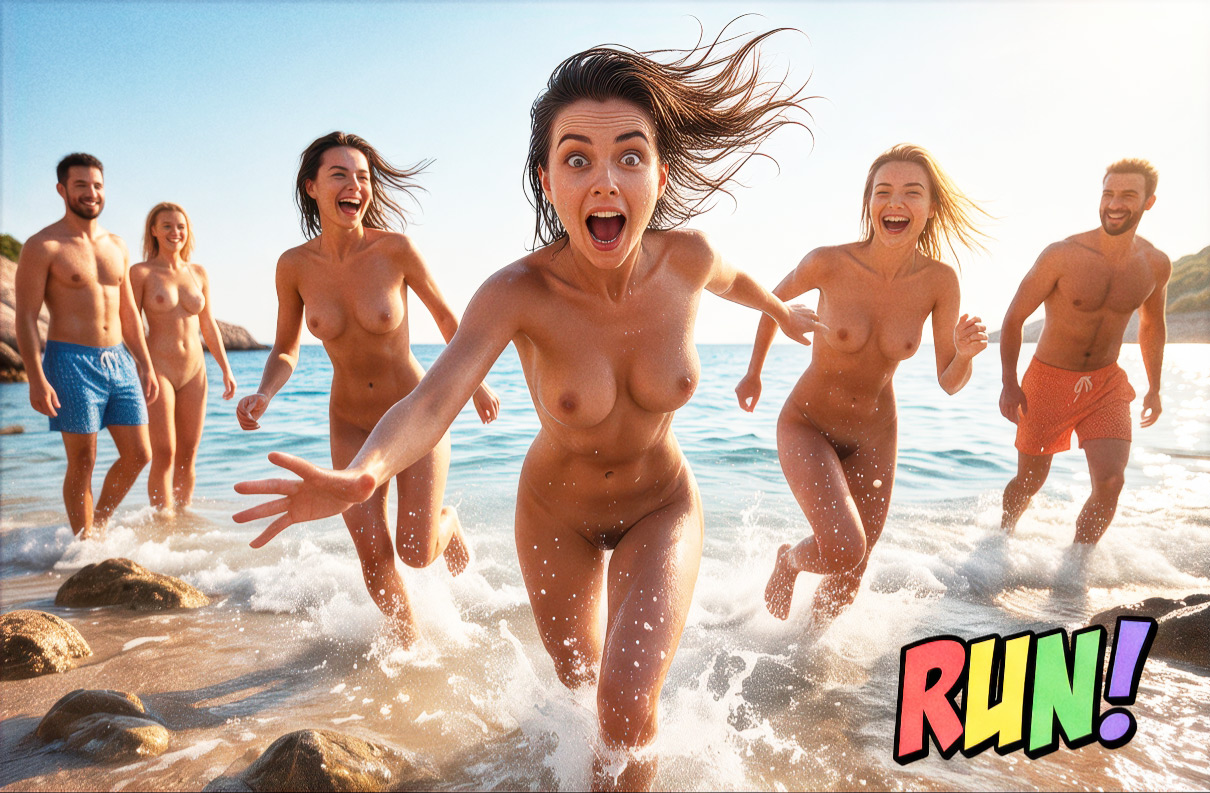

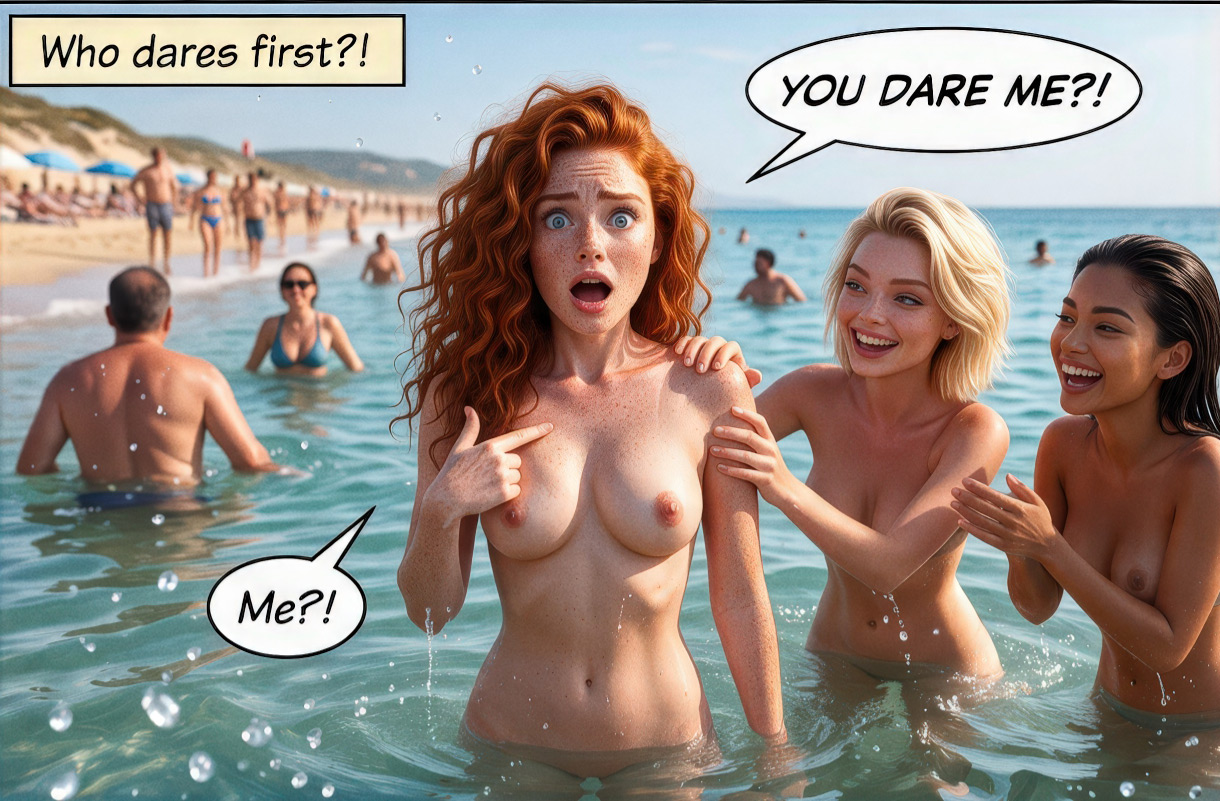









This feeling of comfort on a nudist beach is hard to forget.
Incredibly great to see this kind of self-comfort.