Beach articles today 1 / 3
Unlimited with Premium →
≋Beach details
CountrySpain
RegionCatalonia
Naturism statusReported naturist beach
WaterbodySea / ocean
Place typeBeach
SurfaceSandy
Best season06-09
01020304
05060708
09101112
📍 Map & location
DISCOVER MORE
Explore similar beaches
Naturism
Beach characteristics
Overview
Punta del Fangar is a long sandy spit forming the northern edge of the Ebro Delta along the Catalan coast, and the shoreline here is reported as having informal naturist use among other bathing customs. No official zoning or legal designation for naturism has been confirmed at this location. The point stretches several kilometres into the Mediterranean, with open sand, shallow water, and almost no built structures along its length. Reaching the far sections requires walking or cycling along soft tracks that cut through low dune vegetation. Facilities are absent throughout; no toilets, showers, cafes, or lifeguard posts exist. Visitors come prepared for full self-sufficiency, bringing water, shade, and food. The remoteness and lack of amenities naturally limit crowds outside the height of summer.
Visiting the beach
The Fangar peninsula extends northward from the town of La Rapita into the Mediterranean. Access to the point itself is via a mix of paved and unpaved roads that lead onto soft sandy tracks. A standard car can manage the initial sections, but sand depth increases further along the spit, and many visitors prefer to park and walk or cycle the final stretch. Four-wheel-drive vehicles handle more of the track, though conditions vary seasonally and after rain. No signage marks specific zones for naturist use. The practice, where it occurs, follows the broader Catalan coast convention of tolerated informality. People undress where they find sufficient privacy among the dunes. Because the shoreline is long and sparsely visited, finding solitude is straightforward outside midsummer weekends. During peak season, the nearer sections that are easier to reach attract day-trippers from nearby towns, and density may feel higher there. Water temperature warms noticeably by late June and stays comfortable through early October. The sea floor shelves gently, making it suitable for wading, but open Mediterranean fetch can produce unexpected swells, especially when the northerly tramuntana or the local garbi winds pick up. Without a lifeguard on duty, entering the water carries inherent risk, and strong currents occasionally form along the outer edge. Sun protection is a practical necessity. The sand reflects ultraviolet light intensely, and there are no natural shade structures; just scattered low scrub and occasional tamarisk. Bringing a parasol, pop-up tent, or reflective sheet is advisable. Fresh water is available only back at La Rapita or the delta interior villages, so calculate drinking and rinsing needs for the full visit. Mobile phone signal is weak or absent across much of the peninsula. This reinforces the self-sufficient preparation approach. A paper map or offline GPS download is sensible given the track network similarity in appearance and the risk of disorientation in fog or low visibility.
Getting there
Access: Reached via tracks from the La Rapita area leading onto soft sand; walking or cycling often required for the outer sections of the spit
Parking: Informal parking along track shoulders; no dedicated car park
Public transport: No public transport serves the Fangar peninsula; a private vehicle or bicycle is required
Accessibility: Very limited; unpaved sandy tracks and open dune terrain make wheelchair or stroller access impractical
At the beach
Facilities
None indicated; no toilets, showers, food outlets, or lifeguard service
Naturist rules
Naturism here is informal and unregulated. There are no posted rules specific to this point, so general Catalan coast customs apply. Clothing remains personal choice; neither nudism nor textile presence is mandatory in any section. When undressing, observe whether you are in a discreet position relative to approach tracks, since visibility from the landward side can surprise newcomers. Do not photograph people who are nude. The absence of signage does not mean consent is implied. Maintain respectful distance from other groups setting up their spot. Since the area lacks facilities, carry out all waste including food packaging and sunscreen tubes. Leaving items in the sand contradicts the low-impact spirit that draws most naturist visitors to remote stretches like this. No formal enforcement exists, but local police occasionally patrol delta beaches during summer, particularly if complaints arise. Compliance with reasonable requests avoids unnecessary conflict.
Visitor overview
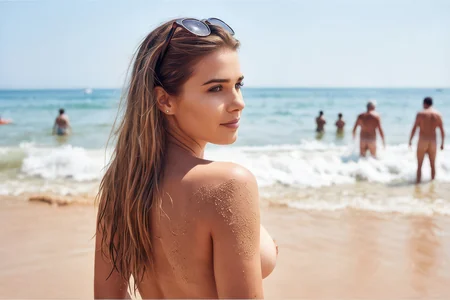
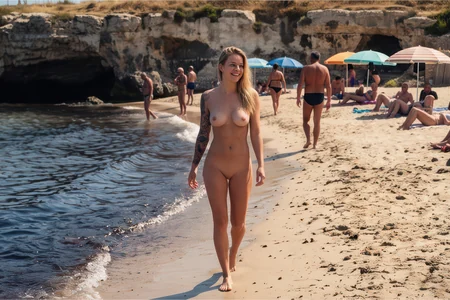
Punta del Fangar offers a raw, unmodified coastline experience. The sand is fine and pale, stretching in long curves with low dunes and sparse vegetation behind the tideline. Water clarity varies; calm days reveal a sandy bottom extending well offshore, while after wind or rain, delta sediment can turn the sea turbid. The overall atmosphere is quiet and unhurried. Visitors tend to be local or regional rather than international tourists. The lack of commercial infrastructure means there is no music, no vendor calls, no playground noise, just wind, waves, and the occasional distant boat. For naturist visitors, the appeal is the sense of naturalness that the open landscape reinforces. Being unclothed feels unremarkable here because the setting itself strips away visual cues of resort development. The trade-off is that comfort requires preparation: shade, water, wind protection, and a willingness to walk the tracks in.
Quick answers
Frequently asked questions
Is naturism officially permitted at Punta del Fangar?
No official naturist zoning has been confirmed for this location. The shoreline is associated with informal naturist use, common across much of the open Catalan coast. People generally undress where they find sufficient privacy. No posted regulations specifically address clothing requirements here.
How do I reach the most private areas?
Walk or cycle south along the spit from the parking area near the northern tracks. The further from the approach point, the quieter it becomes. Sections beyond the first kilometre of sand offer natural dune cover from the landward side and very low foot traffic outside peak season.
Is it safe to swim without a lifeguard?
No lifeguard service operates here. The open Mediterranean swell can arrive with little warning, particularly with northerly winds. Shallow entry is gentle, but currents may form along the outer edge. Entering the water carries personal risk. Swimming in groups and staying near the shore reduces danger.
What should I bring for a day trip?
Adequate drinking water, sun protection including cream and a parasol or pop-up shade, food, and something to sit on. A wind-resistant layer helps in spring and autumn. There are no shops, toilets, or showers on the peninsula, so plan for the full duration including the walk back.
Can I visit with children?
The setting is unequipped and remote, making it better suited to self-sufficient adults. The track is long with no shade, the water is unsupervised, and the nearest facilities are back in La Rapita. Older children accustomed to hiking on sand may manage, but the environment offers nothing designed for younger families.
Community
What visitors say
RUDEFLY SUNSEEKERS
Who’s into this beach?
Meet Sunseekers connected with this beach.
Be the first one to comment!
No comments yet. Be the first!
Send
Keep exploring