Beach articles today 1 / 3
Unlimited with Premium →
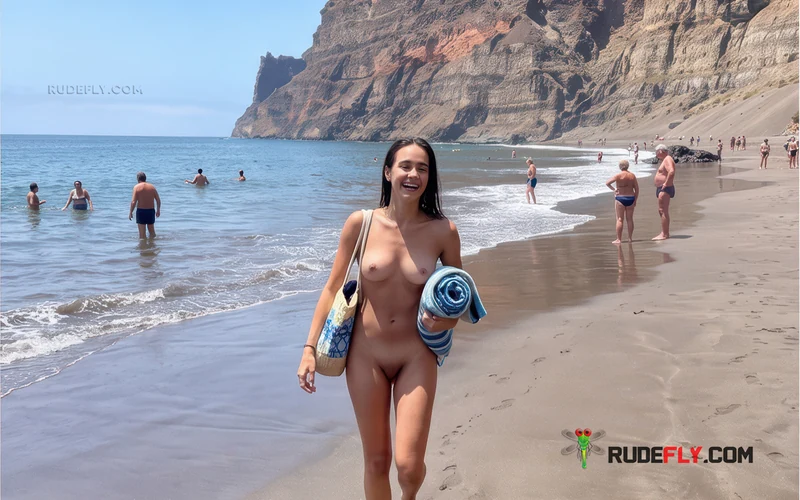
Playa de Güi- Güi Grande
Reported naturist beach
📍 Canary Islands, Spain
Playa de Gui-Gui Grande is a remote Gran Canaria shore reported for naturist use, with no services, open Atlantic water and trail-only access.
≋Beach details
CountrySpain
RegionCanary Islands
Naturism statusReported naturist beach
WaterbodySea / ocean
Place typeBeach
SurfaceSand with pebbles and rocks
Best season05-10
01020304
05060708
09101112
📍 Map & location
DISCOVER MORE
Explore similar beaches
Location
Naturism
Beach characteristics
Overview
Playa de Gui-Gui Grande is listed for naturist use on the remote west coast of Gran Canaria. Naturism is tolerated and commonly practised along the open shore, without formal zoning. The beach is undeveloped, with sand, pebbles and rocks facing open Atlantic water. There are no services, no lifeguards, and no toilets or showers. Access is only on foot by a long mountain trail or by boat, so most visits become a full-day trip. Crowds are usually small. Morning and midday bring the strongest sun, while cliffs can shorten afternoon light.
Visiting the beach
Plan Playa de Gui-Gui Grande as a full-day trip because access takes considerable time in both directions. The beach has no road access. Visitors arrive on foot by a long mountain trail or by boat when sea conditions allow. Trail and sea conditions control access, so check conditions before setting out and allow ample time for the walk in, time on the shore, and the walk back. There is no parking at the beach itself. Vehicles remain at inland trailhead areas, reached by private vehicle or taxi, as no public transport serves the shore. The trailhead approach therefore needs its own time allowance, especially for return travel later in the day. Carry sufficient water, food, sun protection, sturdy footwear and a means to carry out rubbish. There is no food or drink for sale, no toilets, no showers, no lifeguard service and little natural shade, so self-sufficiency matters throughout the visit. The surface is sand with pebbles and rocks, and footing can be uneven near the back of the shore and along the waterline. Expect an exposed shore with some cliff shadow depending on sun position. Morning and midday offer stronger sun, while cliffs can shorten afternoon light, so plan sun protection and timing accordingly. Late spring to early autumn is generally warmer and drier for hiking and beach use, though conditions vary by day and swell can change quickly. The water is open Atlantic and can be rough with waves and currents. Swim only with care and stay aware of swell, remaining close to the shore and avoiding entry when the sea looks unsettled. The setting is generally unsuitable for young children because of the long difficult hike, lack of facilities and open water. Mobile help is limited in this isolated area, so heat, footing and ocean conditions require caution from arrival to departure.
Getting there
Access: Access only on foot by long mountain trail or by boat; no road reaches the beach.
Parking: No parking at the beach; vehicles remain at inland trailhead areas
Public transport: No public transport to the beach; reach trailhead by private vehicle or taxi then walk
Accessibility: Not accessible for wheelchairs or limited mobility; steep uneven trail and undeveloped shore.
At the beach
Facilities
No facilities; undeveloped natural beach without services
Naturist rules
Naturism at Playa de Gui-Gui Grande is tolerated rather than formally zoned. People practise naturism across the open shore without marked areas. Choose a spot with clear space from others and keep behaviour discreet and quiet throughout the stay. Avoid staring, loud noise and unwanted photography, including phone cameras near other users. Keep swimwear handy for the trail and for boat boarding, and cover up when walking near other groups if requested. Textile visitors may also be present, so remain courteous and share the shore without pressure on either side. Take all rubbish away, as there are no bins or cleaning services on the beach. Respect the natural shoreline and avoid disturbing rocks and vegetation. Leave the spot as found, with no structures, trenches or lasting marks on the sand and stone surface.
Visitor overview
Expect a quiet, isolated natural beach with few visitors because the long walk and boat-only alternatives limit numbers. The atmosphere is shaped by cliffs, sun exposure and open Atlantic swell, with long periods of quiet broken mainly by wind and waves. There are no facilities, sales points or supervised swimming, so each group manages its own water, food, shade and safety. Privacy is high, but so is self-reliance, particularly for the return walk after time in the sun. The mixed sand and stone shore suits experienced hikers and confident sea swimmers who carry everything they need and accept uneven footing. Those seeking easy access, shade, toilets or calm shallow water will find the setting demanding. Overall, the visit suits travellers prepared for a full-day, carry-in carry-out trip rather than a short serviced beach stop.
Quick answers
Frequently asked questions
Is Playa de Gui-Gui Grande a naturist beach?
It is reported for naturist use rather than formally designated. Naturism is tolerated and commonly practised along the open shore, without marked zones or formal facilities. Discreet behaviour near other beach users is expected, with clear spacing and courtesy toward textile visitors.
How do visitors reach the beach?
There is no road to the shore. Access is only on foot by a long mountain trail or by boat. Trail conditions and sea conditions affect access, so many visits require a full day for travel and beach time.
Are there facilities at Playa de Gui-Gui Grande?
No. There are no shops, food sales, toilets, showers, lifeguards or rentals. There are also no bins and little natural shade. Visitors need to bring water, food, sun protection and sturdy footwear, and carry out all rubbish after the visit.
What are swimming conditions like?
The beach faces open Atlantic water that can be rough with waves and currents. Conditions vary by day and swell. There is no lifeguard service, so careful and cautious judgement is needed before entering the water.
When is the best time to visit?
Late spring to early autumn is generally warmer and drier for hiking and beach use. Morning and midday offer stronger sun, while cliffs can shorten afternoon light. Start early to allow time for the long walk.
Community
What visitors say
RUDEFLY SUNSEEKERS
Who’s into this beach?
Meet Sunseekers connected with this beach.
Be the first one to comment!
No comments yet. Be the first!
Send
Keep exploring