Beach articles today 1 / 3
Unlimited with Premium →
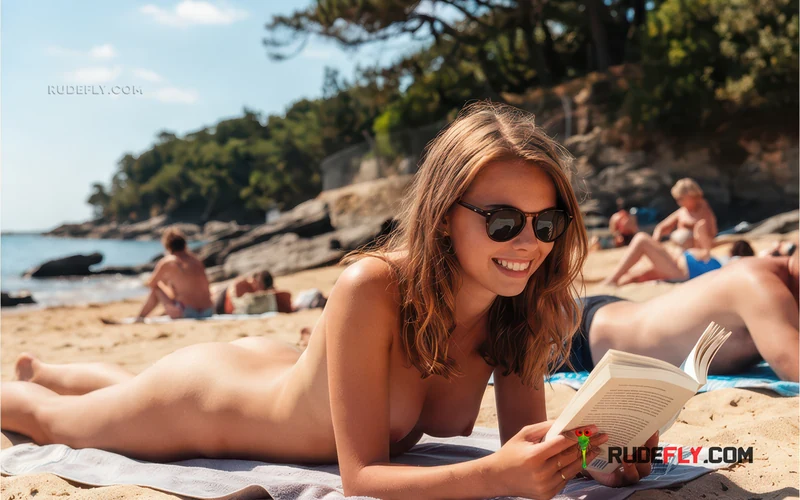
Plage Naturiste du Luzeronde
Reported naturist beach
📍 Pays de la Loire, France
Plage Naturiste du Luzeronde is a listed naturist beach on Noirmoutier Island with open sand, Atlantic water and no facilities. Check access and season.
≋Beach details
CountryFrance
RegionPays de la Loire
Naturism statusReported naturist beach
WaterbodySea / ocean
Place typeBeach
SurfaceSand
Best season06-09
01020304
05060708
09101112
📍 Map & location
DISCOVER MORE
Explore similar beaches
Location
Naturism
Beach characteristics
Overview
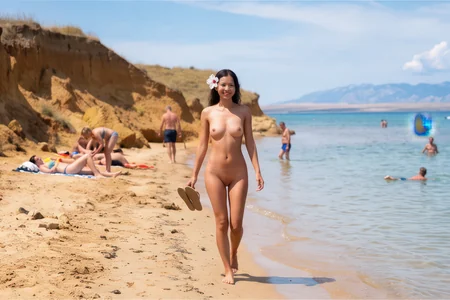
Plage Naturiste du Luzeronde on the west coast of Noirmoutier Island is listed for naturist use within a longer Atlantic sandy beach. The associated section lies in open dunes near Noirmoutier-en-l'Île in Vendée, Pays de la Loire, facing west toward the ocean. Sand forms the main surface, with little shade and wide exposure to sun, wind and tides. Conditions are generally quiet, with more people on warm summer afternoons. There are no facilities, toilets, showers, lifeguards or food vendors directly on the beach, so visits tend to be simple and self-sufficient. June to September usually brings the warmest weather for a morning to late-afternoon stay.
Visiting the beach
Plage Naturiste du Luzeronde sits on the Atlantic side of Noirmoutier Island near Noirmoutier-en-l'Île in Vendée. The shore is sand backed by dunes, open to sun, sea breeze, waves and tides. The naturist section is reported within the wider beach, so look for local signs and stay within the associated area. Textile use is expected outside that section. Access is on foot along established paths. Visitors generally park in nearby lots and walk to the sand, keeping to marked routes to protect dune areas and dune vegetation. Public transport is limited, and a car or bicycle makes the trip easier for most visitors. The ground is soft sand with uneven dune paths, which makes access difficult for reduced mobility. There are no facilities directly on the beach. No toilets, showers, lifeguards, loungers or regular food and drink vendors are expected. Bring water, food, sun protection and wind protection, and take rubbish away because no regular cleaning service is expected on the sand. Atlantic water is generally cool even in summer, with waves, currents and changing tides that can shift quickly. Swim with care and stay in shallow water if conditions look rough, and watch children closely near the waterline. Morning to late afternoon offers the most warmth, while afternoons can turn windier with stronger sea breeze. June to September is generally the warmest period for a beach stay. The beach is usually quiet, with higher numbers on fine summer afternoons. Because of limited services and full exposure to sun and wind, many people plan a half-day visit rather than a full day. Dog restrictions may apply in summer, so check signs before bringing a dog and keep dogs under control where allowed.
Getting there
Access: Access on foot via established dune paths from nearby parking areas.
Parking: Parking in nearby lots with a short walk to the beach.
Public transport: Limited public transport; car or bicycle is more practical.
Accessibility: Uneven sand and dune paths with no adapted access expected.
At the beach
Facilities
No facilities directly on the beach; visitors bring supplies.
Naturist rules
Stay within the section associated with naturist use and dress when walking to textile areas, paths or parking. Give other beach users space on quiet days and keep noise low and conversations discreet. Do not stare, take photos of others or make prolonged eye contact. Keep swimwear, towels and bags tidy at the edge of your spot and avoid spreading gear into nearby spaces. Take all litter away because there are no regular services on the sand. Respect dune vegetation and use established paths and stay on marked routes. If unsure about boundaries, watch signs and follow the pattern of use without assuming the whole beach is naturist.
Visitor overview
The beach suits people seeking a simple, quiet naturist day on open Atlantic sand. The setting is natural, with dunes, wind, sun and ocean water rather than services or supervision. Expect self-sufficiency: water, food, shade, seating and safety are your responsibility during the stay. Warm summer weather brings the most comfortable conditions, especially from morning to afternoon for a half-day visit. Afternoons can be breezy, and the water stays cool even in summer. Crowds remain modest outside peak summer days, with more visitors on fine warm afternoons. Access on foot and full exposure suit visitors prepared for a basic beach experience.
Quick answers
Frequently asked questions
Where is Plage Naturiste du Luzeronde?
It is a sandy Atlantic beach on the west side of Noirmoutier Island near Noirmoutier-en-l'Île in Vendée, Pays de la Loire. The naturist section is reported within the wider beach, backed by dunes and reached on foot.
Is nudity allowed across the whole beach?
Nudity is associated with the listed section only and not the whole beach. Visitors should look for local signs on arrival, remain inside that area for naturist use, and wear swimwear in textile zones, on paths and near parking.
What facilities are available at the beach?
No toilets, showers, lifeguards, rentals or regular food vendors are expected directly on the beach. Visitors should plan for self-sufficiency and bring drinking water, food, sun protection, wind protection, seating and a means to carry all rubbish away.
When is the best time to visit?
June to September is generally warmest for a beach day on the island. Morning to late afternoon usually gives the most sun and warmth for a stay. Afternoons can be windier with sea breeze, and Atlantic water remains generally cool even in summer.
What are the water and safety conditions?
Expect open Atlantic water with waves, tides, currents and wind that can change through the day. There is no permanent lifeguard supervision expected on the naturist section. Swim cautiously, watch tide changes closely and avoid deep water in rough or windy conditions.
Community
What visitors say
RUDEFLY SUNSEEKERS
Who’s into this beach?
Meet Sunseekers connected with this beach.
Be the first one to comment!
No comments yet. Be the first!
Send
Keep exploring