Beach articles today 1 / 3
Unlimited with Premium →

Es Trenc
Reported naturist beach
📍 Balearic Islands, Spain
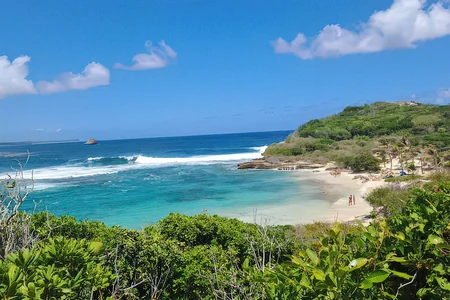
Es Trenc is a long sandy shore in Mallorca listed for naturist use, with shallow clear water, protected dunes and seasonal services near Campos.
≋Beach details
CountrySpain
RegionBalearic Islands
Naturism statusReported naturist beach
WaterbodySea / ocean
Place typeBeach
Surfacesand
Best season06-09
01020304
05060708
09101112
📍 Map & location
DISCOVER MORE
Explore similar beaches
Location
Naturism
Beach characteristics
Overview
Es Trenc is a long sandy beach in the Balearic Islands listed for naturist use, with nudity tolerated across much of the open sand alongside textile use. The shore near Campos has shallow clear water, a sandy bottom and protected dunes behind the beach. Services cluster near the main accesses, while outer sections stay quieter and more remote with more space between groups. Morning often brings calmer wind and lighter crowds, with busier afternoons in summer when central areas fill. Visitors commonly plan half-day to full-day stays because of the walk from parking and the open setting, so water, shade and supplies are usually carried in.
Visiting the beach
Es Trenc is reached by rural roads from Campos, followed by a walk along marked dune paths to the sand. Parking areas sit back from the dunes, so allow time for the walk and carry water, sun protection and food if heading to a remote section, especially for longer stays. Seasonal buses serve stops near the beach area, but walking to the sand is still required after getting off. The surface is sand throughout, with shallow clear water and a sandy bottom that suits paddling and swimming. Waves are generally gentle to moderate depending on wind, and mornings often bring calmer conditions before afternoon breezes build. Summer is the main season, from June to September, with warm dry weather and mild sea. Outside summer, conditions turn cooler and windier and seasonal services thin out. The beach is naturally open at all times, while shops, rentals and lifeguards operate in daytime in season. Lifeguards cover central sections only, so remote stretches have no supervision and swimming there calls for extra care within personal ability. Facilities include seasonal sunbed rental, basic toilets and showers near developed accesses, and beach bars and kiosks offering drinks and simple meals. There is no admission charge for beach access, with extra cost for parking, rentals and food. Sun exposure is high across the beach and dunes, with little natural shade. Dune vegetation is protected, so visitors bring their own shelters and keep to marked paths. Families use the open sand and shallow water, but services thin out away from the centre and remote areas require more planning. Dog access is limited and varies by section and season.
Getting there
Access: Reached by rural roads from Campos, then on foot via marked dune paths to the open sand.
Parking: Paid parking areas set back from the dunes with a walk to the sand.
Public transport: Seasonal buses serve stops near the beach area, with walking required to the sand.
Accessibility: Uneven sand and dune paths with limited step-free access.
At the beach
Facilities
Seasonal sunbeds, lifeguards, toilets, showers and beach bars near main accesses.
Naturist rules
Naturist use at Es Trenc is reported as tolerated across much of the beach, with textile use also common. Choose a spot that suits the section you are in, with quieter outer areas often preferred for naturist bathing. Give other beach users space and avoid crowding, keeping noise low and behaviour relaxed. Keep to marked dune paths, avoid protected vegetation and leave dune plants undisturbed. Do not photograph others, ask before including anyone in wider views, and take all rubbish away with you. Swim within ability where no lifeguard is present, especially in remote stretches and when wind builds. Respect seasonal services and central family areas by keeping a comfortable distance where needed.
Visitor overview
Es Trenc suits visitors seeking a long sandy naturist beach with shallow clear water and room to walk. Expect a busy atmosphere near services in summer and quieter sand farther out toward remote sections. Facilities, lifeguards, toilets and food are concentrated near main accesses, with no services in outer stretches. The open dunes, high sun and wind shape the day, so shelter, water and sun protection matter for comfort. Walking from parking along dune paths is part of each visit, with seasonal buses still leaving a walk to the sand. Half-day to full-day visits are common, especially when settling in a quieter spot away from the centre.
Quick answers
Frequently asked questions
Is Es Trenc a naturist beach?
Es Trenc is listed for naturist use, with nudity tolerated across much of the sand while textile use remains common. There is free movement along the shoreline, so visitors can select a busier serviced area or a quieter outer section.
What is the water like at Es Trenc?
The water is shallow and clear with a sandy bottom, suitable for paddling and swimming. Conditions are usually gentle to moderate depending on wind, with calmer water often reported in the morning before afternoon breezes build.
What facilities are available?
Seasonal facilities near main accesses include sunbed rental, lifeguards in central sections, basic toilets and showers, plus beach bars and kiosks. Remote stretches have no services, so carry water, shade and supplies for longer stays.
When is the best time to visit Es Trenc?
June to September offers warm dry weather and full seasonal services, with mornings calmer and less crowded. Afternoons are warmer and busier in summer. Outside summer the beach is quieter but cooler, windier and largely without services.
How do visitors reach the sand?
Visitors arrive by road from Campos, use paid parking set back from the dunes, then walk marked dune paths to the beach. Seasonal buses serve nearby stops with a walk required. Sand paths are uneven with limited step-free access.
Community
What visitors say
RUDEFLY SUNSEEKERS
Who’s into this beach?
Meet Sunseekers connected with this beach.

Be the first one to comment!
No comments yet. Be the first!
Send
Keep exploring