Beach articles today 2 / 3
Unlimited with Premium →
≋Beach details
CountrySpain
RegionAndalusia
Naturism statusReported naturist beach
WaterbodySea / ocean
Place typeBeach
SurfaceSand with dune areas
Best season06-09
01020304
05060708
09101112
📍 Map & location
DISCOVER MORE
Explore similar beaches
Naturism
Beach characteristics
Overview
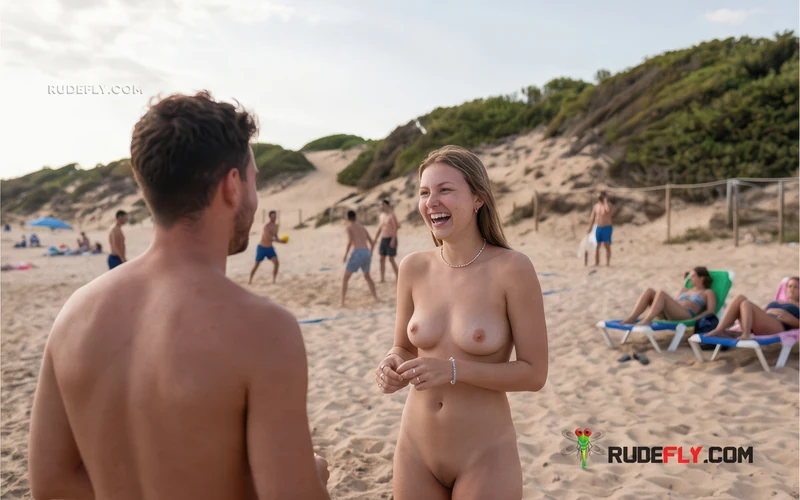
Playa Faro de Trafalgar is reported as a beach with shared naturist use near Barbate, Spain. Naturism is generally accepted here alongside textile use, with no marked naturist-only zones. The setting is open Atlantic sand backed by dunes, with high sun exposure and little natural shade. There are no toilets, showers, lifeguards, or food outlets, so visits work best as self-sufficient trips of a few hours. Access is open with no gate, using established sand paths while avoiding protected dunes. Warm, dry conditions from June through September suit most visits, though wind and waves can vary. Morning and late afternoon offer milder sun and wind than midday.
Visiting the beach
Playa Faro de Trafalgar near Barbate is an open Atlantic beach with sand and dune areas and no gate or fixed hours. Daylight visits are most practical, with morning and late afternoon offering milder sun and wind than midday. Warm dry conditions are expected from June through September, while wind is possible and conditions outside summer are cooler and quieter. Access uses established sand paths, and visitors should avoid crossing protected dunes. The ground is uneven sand, which makes access difficult for reduced mobility, and no adapted facilities are expected. Parking is limited around the access points, generally followed by walking over sand to the shore. Public transport access is limited, so arrival by private vehicle followed by walking is the most practical option. There is no admission fee expected for beach access. There are no toilets, showers, lifeguards, shade structures, or food and drink outlets on the beach. Bring water, food, sun protection and portable shade, and carry out all waste. Typical visits last a few hours to a half day, depending on supplies and weather. The water is Atlantic with possible waves and currents that vary with wind and weather, and swimming is unsupervised. Little or no natural shade and high sun exposure mean exposure builds quickly. Dog rules may vary by season and local signs, so check posted information before visiting with dogs. Self-sufficient families comfortable with undeveloped conditions and shared naturist use are best suited to this open, generally quiet shoreline. Because no shops or shade are expected, carrying extra water and sun protection helps the stay remain comfortable.
Getting there
Access: Open beach with no gate; reached on foot over sand using established paths while avoiding protected dunes
Parking: Parking is limited around the access points and generally requires walking over sand to the shore
Public transport: Public transport access is limited; private vehicle followed by walking is the most practical option
Accessibility: Uneven sand and dune paths with no adapted facilities expected; difficult for reduced mobility
At the beach
Facilities
No toilets, showers, lifeguards, shade structures, or food outlets expected
Naturist rules
Naturism at Playa Faro de Trafalgar is generally accepted and shared with textile use, with no marked naturist-only zones. Choose open spacing and avoid crowding others, since the shoreline is exposed with limited privacy. Keep noise low, avoid staring and photography of others, and keep swimwear handy for shared path sections. Use established sand paths, avoid protected dunes, and carry out all waste. Families should be prepared for undeveloped conditions and unsupervised water. Give other groups clear space when settling and when walking along the waterline. If uncertain about local expectations on a given day, follow the quieter mixed-use pattern around you.
Visitor overview
Playa Faro de Trafalgar suits visitors seeking a quiet, self-sufficient beach day with shared naturist use. Expect open sand, dunes, Atlantic waves, high sun exposure and little shade. There are no toilets, showers, lifeguards or food outlets, so bring supplies for a stay of a few hours. June through September offers the warmest conditions, with mornings and late afternoons milder than midday. Limited parking and public transport mean planning access matters. Uneven sand makes walking slow, so allow time to reach the shore and to return. Carry out all waste and use established paths while avoiding protected dunes. Check wind and sea conditions before swimming because supervision is not expected.
Quick answers
Frequently asked questions
Is Playa Faro de Trafalgar a naturist beach?
It is listed as a beach with shared naturist use near Barbate. Naturism is generally accepted alongside textile use, and there are no marked naturist-only zones. Expect mixed use and choose respectful spacing on the open sand.
Are there facilities at Playa Faro de Trafalgar?
No toilets, showers, lifeguards, shade structures or food outlets are expected on the beach. Bring water, food, sun protection and portable shade, and carry out all waste after your visit for a self-sufficient stay of a few hours.
How do visitors reach the sand?
Access is open with no gate or fixed hours. Use established sand paths on foot and avoid crossing protected dunes. Parking is limited near access points, and public transport is limited, so allow time for walking over sand.
When is the best time to visit?
Warm dry conditions are expected from June through September. Morning and late afternoon offer milder sun and wind than midday. Wind, waves and cooler weather outside summer can affect comfort, so check wind and sea conditions before travelling.
Is swimming supervised?
No lifeguard service is expected, so swimming is unsupervised. The water is Atlantic with possible waves and currents that vary with wind and weather. Use caution and stay within personal limits and avoid swimming alone in rough conditions.
Community
What visitors say
RUDEFLY SUNSEEKERS
Who’s into this beach?
Meet Sunseekers connected with this beach.

Be the first one to comment!
No comments yet. Be the first!
Send
Keep exploring