Beach articles today 3 / 3
Unlimited with Premium →
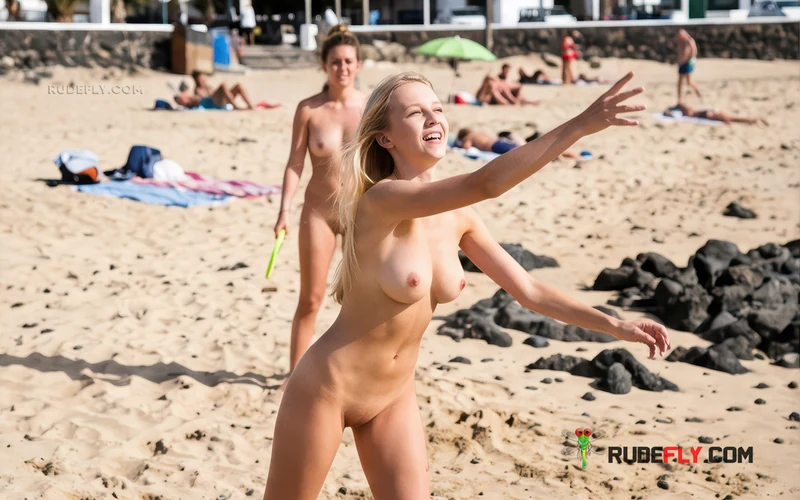
Ensenada de las Caletas
Reported naturist beach
📍 Canary Islands, Spain
Ensenada de las Caletas is reported for naturist use near Teguise, Lanzarote. Find access, setting, timing and practical tips for this quiet coastal cove.
≋Beach details
CountrySpain
RegionCanary Islands
Naturism statusReported naturist beach
WaterbodySea / ocean
Place typeBeach
SurfaceLikely mixed natural rock with patches of sand and pebbles.
Best season05-10
01020304
05060708
09101112
📍 Map & location
DISCOVER MORE
Explore similar beaches
Location
Naturism
Beach characteristics
Overview
Ensenada de las Caletas is listed as a coastal inlet with reported naturist use near Teguise on Lanzarote. Its naturist status is unverified, so visitors should treat it as tolerated rather than officially designated. The setting is an undeveloped Atlantic cove with rock, coarse ground and open sea exposure, largely without shade or shelter. There are no confirmed facilities, services or supervision, and natural shade is likely very limited. Access appears to involve rural roads and tracks followed by walking over uneven terrain with loose material. May through October is commonly the more comfortable period for daylight visits, although wind, swell and sea conditions can change quickly. Visitors should therefore assess conditions on arrival and carry water, sun protection and supplies.
Visiting the beach
Ensenada de las Caletas lies on the northern coast of Lanzarote in the municipality area associated with Teguise. Travellers generally approach by private vehicle through rural roads and tracks near the north Lanzarote coast, then continue on foot toward the shore. The final section is expected to be uneven, with rock, mixed natural stone, patches of sand and pebbles, and loose material, so sturdy footwear is useful. There is no confirmed dedicated parking, and any available space is likely informal roadside space set back from the water and requiring a walk to the shore. No direct public transport is confirmed, so access likely requires a private vehicle followed by walking. Visitors should allow extra time for route finding and for assessing conditions on arrival, as formal access rules are not confirmed. The cove itself is an open Atlantic inlet with sea and ocean water. Entries to the water are likely rocky with uneven footing, and swell, wind and tides can alter comfort and safety during the day. Morning and early afternoon likely offer the most comfortable light, warmth and sun exposure, but Lanzarote is known for wind, so shelter may be limited to rock formations. There are no confirmed toilets, showers, shops, lifeguards or rental services, and no confirmed food or drink outlets. Bring drinking water, food, sun protection, a wind layer and a means to carry out waste, since no cleaning service is confirmed. Mobile coverage and assistance should not be relied upon, and visitors should assume unsupervised water with no lifeguard service. Because naturist use is reported rather than confirmed as designated, choose a discreet position, observe others before undressing and remain prepared to adapt. Daytime visits of one to three hours are practical given the lack of shade, supplies and opening hours, with use likely limited to daylight hours by natural conditions.
Getting there
Access: Access is likely via rural roads and tracks near the north Lanzarote coast, with a final approach on foot over uneven natural ground.
Parking: No confirmed dedicated parking; any parking is likely informal roadside space requiring a walk to the shore.
Public transport: No confirmed direct public transport; access likely requires a private vehicle followed by walking.
Accessibility: Likely unsuitable for visitors with reduced mobility because of uneven terrain and lack of adapted paths or facilities.
At the beach
Facilities
No confirmed facilities; expect an undeveloped natural setting without services.
Naturist rules
Naturism here is recorded only as a source claim, so careful conduct matters and formal permission should not be assumed. Set up with distance from other groups and from paths used by walkers, coastal walking routes and possible fishing activity. Keep clothing within reach and remain aware of families nearby, since low suitability for families and uncertain acceptance make discretion important. Avoid photography of other people, keep noise low and do not leave personal items spread across shared ground. Take all litter away, including organic waste, because no cleaning service is confirmed and no toilets or services are available. Respect rock formations, marine life and tidal pools by avoiding disturbance, and do not assume dogs are accepted in this naturist-use setting.
Visitor overview
This cove suits experienced travellers seeking quiet and self-reliance rather than comfort or social activity. Expect solitude, natural sound, strong sun and changing sea movement, with very few other people present on most visits. The ground is rough with rock, sand and pebbles, and water entry requires care because of rocky entries, uneven footing and varying wind, swell and tides. There is little to do beyond swimming where conditions allow, resting and coastal walking in daylight hours. There are no confirmed facilities, shade, shops, toilets or supervision, so visits are likely short, around one to three hours. People who need facilities, easy entry, shade or supervision will find the setting demanding, including likely unsuitable conditions for reduced mobility and low suitability for families.
Quick answers
Frequently asked questions
Where is Ensenada de las Caletas?
It is a coastal inlet on northern Lanzarote in the Canary Islands, associated with Teguise. Access is rural and the final approach is expected to be on foot over natural terrain. Travellers likely use rural roads and tracks, then walk over uneven rock and loose ground toward the shore.
Is Ensenada de las Caletas officially designated for naturism?
No official designation is confirmed. It is listed with reported naturist use, so visitors should act discreetly, observe local behaviour and avoid assuming formal permission. Formal access rules and naturism designation are not confirmed, so treat use as tolerated and remain prepared to adapt to others present.
Are there facilities at Ensenada de las Caletas?
No facilities are confirmed. There are no known toilets, showers, shops or lifeguards. Visitors should bring water, food, sun protection and carry out all waste. No food or drink outlets are confirmed, natural shade is likely very limited, and water should be assumed unsupervised without lifeguard service.
When is the best time to visit?
May through October is generally the more comfortable season because of mild, dry weather. Wind and sea state still vary, so check conditions locally and prefer calm daylight hours. Morning and early afternoon likely offer the most comfortable light and sun exposure, subject to wind, swell and tides.
Is the water suitable for swimming?
Swimming depends on daily wind, swell and tides. Entries are likely rocky and unsupervised. Assess the sea on arrival, enter cautiously and avoid the water when movement looks strong. Rocky entries and uneven footing should be expected, with no lifeguard service confirmed and comfort changing during the day.
Community
What visitors say
RUDEFLY SUNSEEKERS
Who’s into this beach?
Meet Sunseekers connected with this beach.
Be the first one to comment!
No comments yet. Be the first!
Send
Keep exploring