Beach articles today 1 / 3
Unlimited with Premium →
≋Beach details
CountrySpain
RegionAndalusia
Naturism statusReported naturist beach
WaterbodySea / ocean
Place typeBeach
Surfacesand
Best season06-09
01020304
05060708
09101112
📍 Map & location
DISCOVER MORE
Explore similar beaches
Naturism
Beach characteristics
Overview
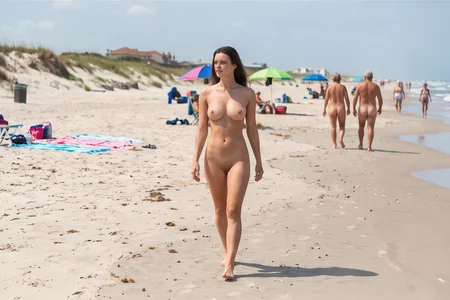
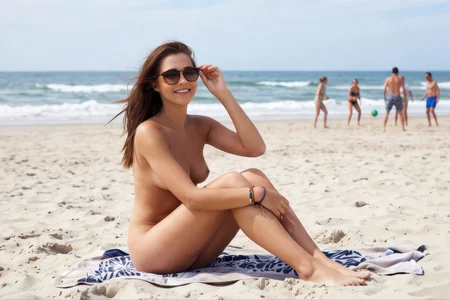
Playa de los Enebrales is a natural Atlantic beach listed for naturist use on the Huelva coast in Andalusia. Naturism is reported as tolerated here, with swimwear-optional practice alongside textile use, so expect a mixed and generally quiet setting. The beach has open sand backed by low dune vegetation, with very little shade and high sun exposure across the sand and access paths. There are no toilets, showers, lifeguards or food outlets, so visitors bring water, sun protection and all supplies. Access is on foot over sandy dune paths from nearby parking. Warm dry summers, broadly June to September, suit swimming and sunbathing best, while morning and late afternoon are generally milder and quieter.
Visiting the beach
Playa de los Enebrales is an open public beach with no booking required and no admission fee expected. Visitors should observe local signs and dune protection markers and stay on established sandy paths to limit disturbance to low dune vegetation. Parking is set back near the dune access points, followed by a short walk over soft uneven sand to the shoreline, so allow extra time for the crossing in warm conditions. The ground is natural throughout, with no adapted access, so sturdy footwear for the path and light footwear for the sand are practical, particularly where the surface is loose or sloping. There is no direct public transport to the beach, so most visitors arrive by private vehicle and continue on foot from the nearby parking areas. The surface is sand, backed by low dune vegetation that offers minimal cover and very little natural shade. Shade is very limited, and sun exposure is high across the open sand and along the access routes, so carry a parasol, hat, sunscreen and sufficient drinking water for the full stay. There are no toilets, showers, lifeguards, food outlets or rentals of any kind. Plan for a self-sufficient half-day visit for swimming, walking and sunbathing, bringing food, water, sun protection and bags for taking all rubbish away. Morning and late afternoon generally offer milder sun and quieter conditions, with midday bringing stronger heat and higher exposure. Atlantic water conditions vary by day and wind, with waves and currents possible, so check the sea before swimming and stay within personal limits, especially where no supervision is present. Because the site is unsupervised, keep valuables minimal, watch personal belongings, and remain aware of changing wind and sea state. Warm dry summers are most suitable for swimming and sunbathing, while shoulder seasons are milder and quieter for walking and sunbathing with fewer people around. No confirmed dog policy information is available, so visitors should expect possible local seasonal restrictions and check posted signs where present.
Getting there
Access: Open public access on foot via sandy paths through dunes from nearby parking areas
Parking: Parking near dune access points with a short walk over sand to the beach
Public transport: No direct public transport to the beach; private vehicle generally needed
Accessibility: Natural soft sand and uneven dune paths with no adapted access
At the beach
Facilities
No facilities on the beach; no toilets, showers, lifeguards or food outlets
Naturist rules
Naturism at Playa de los Enebrales is reported as tolerated rather than formally designated, with textile use also present along the same open sand. Treat the beach as swimwear-optional and choose a spot with reasonable distance from others, allowing space for both nude and clothed visitors. Avoid staring, photography, loud behaviour and unwanted approaches, and keep interactions brief and respectful. Keep swimwear handy for walking past textile users or families, particularly near access paths and the shoreline crossing points. Respect dune vegetation by not crossing protected areas or leaving items behind, and take all rubbish away when leaving. Because there is no supervision, personal discretion matters throughout the visit. If uncertain, observe local practice on arrival and follow the same low-key approach, adjusting position or dress where needed to fit the mixed setting.
Visitor overview
Expect a quiet natural Atlantic beach with open sand, dune vegetation and space to spread out along the shoreline. Occupancy is generally low, especially outside midday and peak summer, so finding distance from other groups is usually straightforward. Facilities are absent, including toilets, showers, lifeguards and food, so comfort depends on bringing supplies for a self-sufficient stay with water, food and sun protection. The setting suits visitors comfortable with mixed swimwear-optional use and a lack of services, where nude and textile use occur side by side. Swimming conditions change with wind and waves, while sun exposure remains high throughout the day across the open sand and dune paths. Access on foot over sandy paths adds to the natural character, and morning or late afternoon visits are generally milder, quieter and more comfortable for walking, swimming and sunbathing.
Quick answers
Frequently asked questions
Is Playa de los Enebrales a naturist beach?
It is listed for naturist use, with naturism reported as tolerated rather than formally designated. Practice is swimwear-optional and mixed with textile use, so expect both nude and clothed visitors. Allow others space and observe local practice on arrival.
Is there an admission fee or booking requirement?
No admission fee is expected and no booking is required for this open public beach. Access is generally available throughout the day on foot via sandy dune paths from nearby parking, subject to local signs and dune protection markers. Stay on established paths and allow time for the short walk over soft sand.
Are there toilets, showers, or food at the beach?
No confirmed toilets, showers, lifeguards or food outlets are available on the beach, and no rentals are reported. Visitors generally bring drinking water, food, sun protection and all other supplies for a self-sufficient visit. Carry a parasol for shade and bags for taking all rubbish away.
What are the water and surface conditions?
The beach has sand with low dune vegetation and very little shade, so sun exposure is high. The water is Atlantic sea water, with waves and currents that can vary by day and wind. Assess conditions before swimming and stay within personal limits where no lifeguards are present.
When is the best time to visit?
Warm dry summer months, broadly June to September, are most suitable for swimming and sunbathing. Morning and late afternoon generally offer milder sun and quieter conditions for a half-day visit. Shoulder seasons are milder and quieter, while midday in summer brings stronger heat and higher exposure.
Community
What visitors say
RUDEFLY SUNSEEKERS
Who’s into this beach?
Meet Sunseekers connected with this beach.
Be the first one to comment!
No comments yet. Be the first!
Send
Keep exploring