Beach articles today 1 / 3
Unlimited with Premium →
El Matador State Beach
Reported naturist beach
📍 California, United States
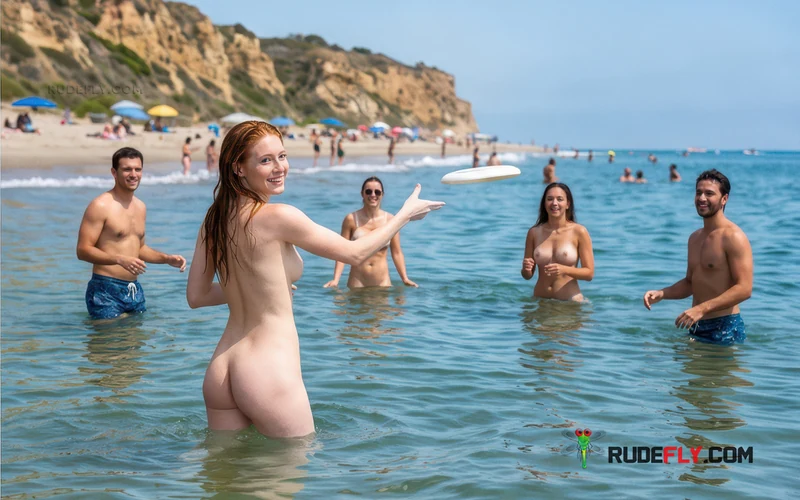
El Matador State Beach in Malibu is listed for naturist use, but remains mainly textile. Plan stairs, parking, sand, rocks and cool Pacific water.
≋Beach details
CountryUnited States
RegionCalifornia
Naturism statusReported naturist beach
WaterbodySea / ocean
Place typeBeach
SurfaceSand beach with rock formations, sea stacks and uneven rocky areas.
Best season06-09
01020304
05060708
09101112
📍 Map & location
DISCOVER MORE
Explore similar beaches
Location
Naturism
Beach characteristics
Overview
El Matador State Beach in Malibu is listed for naturist use, although most visitors remain clothed and nudity is not officially permitted. This Los Angeles County beach sits below high bluffs on the Pacific, with sand, rock formations and sea stacks shaping the scenic shoreline. Access runs down steep stairs and dirt trails from a small bluff-top lot, so visits take some advance planning. There are portable toilets near parking, but no public showers and no food or drink sales. Morning is generally calmer and less crowded, while warm afternoons bring stronger sun and larger crowds.
Visiting the beach
El Matador State Beach faces the Pacific Ocean in Malibu, California, where the sandy shore is bordered by rugged rock formations, sea stacks and high bluff walls. The Pacific water remains generally cool throughout the year with waves and shifting currents, so cautious wading and swimming are always sensible. Lifeguard coverage is limited or seasonal, which increases the need for personal care near the water and rocky outcroppings. Midday sun exposure can be intense along the open sand, though the coastal bluffs offer some late-day shade, and there is little natural shelter. Summer conditions are typically warm and dry, making June through September the most comfortable window for a beach visit, whereas winter brings cooler temperatures and rougher ocean conditions. Most visits last a few hours for coastal walking, photography and relaxed beach time. Reaching the shore requires descending steep stairs and dirt paths from the bluff-top parking area. This stepped route is not step-free and is not suitable for wheelchairs or visitors with limited mobility. Footing can be uneven across the sand and near rocks, making sturdy footwear helpful for the descent and climb. The small parking lot requires a fee and fills quickly on warm weekends and afternoons, while roadside spaces along the highway are limited, and no direct public transport reaches the entrance. Facilities remain minimal, with portable toilets situated near the parking area, but no public showers and no food or drink vendors. Visitors must bring drinking water, food and sun protection, and carry out all trash. Dogs are generally not permitted on the beach, and visits are limited to daytime hours. Always stay on designated stairs and paths to protect the bluffs.
Getting there
Access: Access is by steep stairs and dirt trail from the bluff-top lot down to the sand; footing can be uneven near rocks.
Parking: Small bluff-top lot with a parking fee; fills early on busy days with limited roadside options.
Public transport: No direct public transport to the entrance; most visitors arrive by car.
Accessibility: Stepped bluff access is not suitable for wheelchairs or visitors with limited mobility; no step-free beach access.
At the beach
Facilities
Limited facilities with portable toilets near parking; no showers and no food or drink sales.
Naturist rules
Naturist use at El Matador State Beach is unofficial and based only on informal directory listings, so visitors should expect predominantly clothed, textile beachgoers. Public nudity is not officially permitted by park authorities, meaning anyone choosing to go without clothing faces potential enforcement action and must remain mindful of local regulations. Personal privacy along the shore is minimal, especially during sunny afternoons and weekends when the narrow sandy stretches fill up. Always maintain ample physical distance from other groups and families sharing the beach. Avoid taking photos or pointing cameras in directions where other beachgoers are present. Clothing should always be worn on the access stairs, bluff-top trails, and parking areas. Respect all posted park regulations, avoid restricted bluff areas, and practice considerate beach etiquette at all times.
Visitor overview
El Matador State Beach suits visitors seeking a rugged Malibu coastline defined by sandy coves, massive sea stacks, and tall bluffs rather than developed facilities or recreational amenities. The location features a natural coastal setting where visitors should expect steep stair access, uneven rocky surfaces, cool Pacific water, and direct sun exposure throughout midday. Weekday mornings tend to offer a quieter, calmer atmosphere, whereas warm weekend afternoons attract heavy crowds and full parking. On-site facilities are very basic, consisting only of portable toilets near the upper parking lot, with no showers or food vendors available. It is purely a daytime destination where visitors must bring all necessary supplies and carefully plan around parking availability, tides, and steep footing.
Quick answers
Frequently asked questions
Is El Matador State Beach a naturist beach?
El Matador State Beach is referenced in some online directories for naturist use, but public nudity is not officially permitted and most beachgoers remain fully clothed. Any naturist presence is strictly informal and unofficial, so visitors should expect standard textile beach use, limited privacy, and the possibility of local enforcement.
How do visitors reach the sand?
Visitors reach the sand by descending a steep flight of stairs and dirt trails from the bluff-top parking area. Footing can be uneven across sandy sections and around rocks. Sturdy footwear is recommended, and visitors should allow extra time and effort for the uphill climb back to the parking lot.
What facilities are available?
Facilities at the beach are very limited, offering only portable toilets situated in the bluff-top parking area. There are no public rinse showers and no concessions selling food or drinking water. Visitors should bring plenty of water, snacks, and sun protection, and plan to carry out all personal trash.
When is the best time to visit?
The months from June through September generally provide the warmest and driest weather for enjoying the beach and coastal scenery. Arriving on weekday mornings typically offers the calmest ocean conditions and easier parking, whereas warm summer weekend afternoons tend to draw the largest crowds and quickly fill the small parking lot.
What are water conditions like?
Water in the Pacific is generally cool year-round, with waves and currents that can shift rapidly depending on tides and weather. Lifeguard staffing is limited or seasonal, so anyone wading or swimming should exercise caution around rocky areas, observe ocean conditions carefully, and ensure children are closely supervised.
Community
What visitors say
RUDEFLY SUNSEEKERS
Who’s into this beach?
Meet Sunseekers connected with this beach.
Be the first one to comment!
No comments yet. Be the first!
Send
Keep exploring