Beach articles today 1 / 3
Unlimited with Premium →
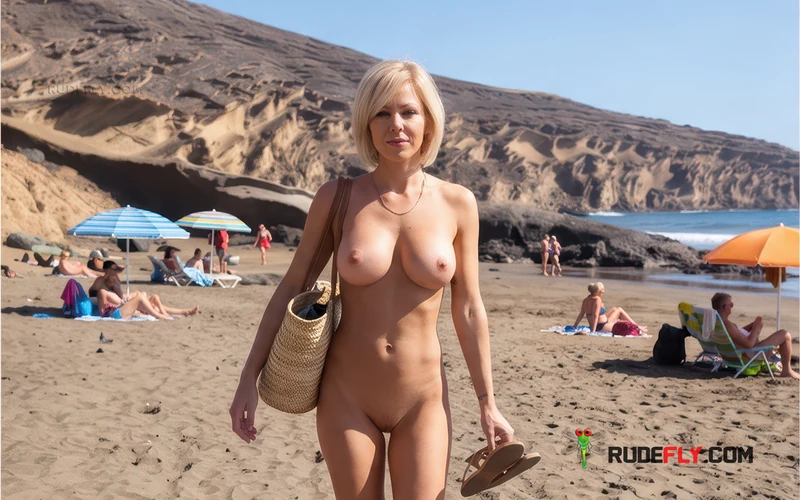
Playa de La Pelada
Reported naturist beach
📍 Canary Islands, Spain
Playa de La Pelada is a quiet Tenerife beach listed for naturist use, with volcanic shore, open Atlantic water and no services. Plan what to bring.
≋Beach details
CountrySpain
RegionCanary Islands
Naturism statusReported naturist beach
WaterbodySea / ocean
Place typeBeach
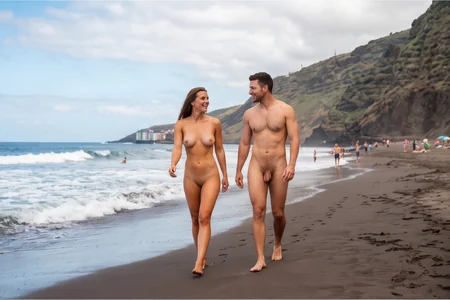
SurfaceDark sand, pebbles and volcanic rock.
Best season05-10
01020304
05060708
09101112
📍 Map & location
DISCOVER MORE
Explore similar beaches
Location
Naturism
Beach characteristics
Overview
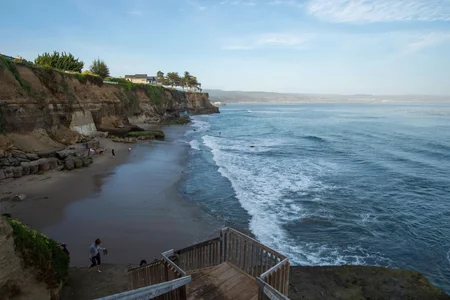
Playa de La Pelada is a quiet volcanic beach on the southeast coast of Tenerife listed for naturist use. Textile use also occurs, so visitors share the shore and allow each other space. The setting near Granadilla de Abona is undeveloped, with dark sand, pebbles and rock facing open Atlantic water. There are no toilets, showers, food outlets or lifeguards. That simplicity appeals to independent travellers who arrive prepared, check sea conditions and prefer a low-key day of swimming and sunbathing. Access is on foot over uneven ground, so sturdy footwear and a light pack help. Most stays are short and self-sufficient, centred on the natural shoreline rather than services or organised activity.
Visiting the beach
Playa de La Pelada sits on Tenerife's southeastern coast in the Canary Islands, near Granadilla de Abona. Access is on foot along established coastal paths, with informal roadside parking above the shore and a walk down to the water. The ground is uneven, combining dark sand, pebbles and volcanic rock, so sturdy footwear is useful for the approach and for moving around near the water. Public transport serves nearby towns, but the final section to the beach is on foot and should be factored into timing and energy. Morning and late afternoon generally bring milder sun and wind, while midday has high sun exposure and little natural shade for resting. Bring sun protection, water, food and a bag for waste, as there are no shops, toilets, showers or lifeguards to rely on during the visit. Typical stays last two to four hours for swimming and sunbathing, which suits the exposed and self-sufficient character of the place. The beach is generally quiet, with slightly more people on warm weekends, yet it usually remains low-key. Atlantic water conditions vary with wind and swell and may include waves and currents that change through the day. Enter only where access looks safe, avoid exposed rocks in rough water and take extra care when the sea looks unsettled. Keep belongings secure in the isolated setting and keep packing light enough to carry everything out again. The mild climate is warmest and driest from late spring to early autumn, with May to October often most comfortable for beach time and longer outdoor stays. The shore is always open with no controlled entry and no admission fee. Mobile coverage and assistance may be limited, so tell someone your plans if visiting alone, especially for a first visit.
Getting there
Access: Reached on foot by coastal paths from informal parking above the shore; uneven ground near the water.
Parking: Informal roadside parking above the coast, followed by a walk to the shore.
Public transport: Public transport serves nearby towns; final access requires walking.
Accessibility: Not step-free; uneven paths and volcanic rock make access difficult for limited mobility.
At the beach
Facilities
No facilities; undeveloped beach without toilets, showers, food outlets or lifeguards.
Naturist rules
Naturism at Playa de La Pelada is tolerated rather than formally managed, and textile visitors also use the beach. Choose a spot with clear space from others and settle in without crowding neighbouring towels or groups. Avoid walking unclothed through occupied textile areas, and keep swimwear handy for the paths and arrival area where encounters are more likely. Keep noise low, do not stare or photograph people, and give others privacy while swimming, sunbathing and resting. If unsure how clothing is being handled nearby, follow the more discreet approach and allow extra distance. Take all waste away, leave the spot as found and stay on established paths to protect the natural area and avoid loose volcanic ground.
Visitor overview
Playa de La Pelada suits experienced, self-sufficient visitors who value quiet and natural surroundings over comfort. Expect an undeveloped volcanic shore, open Atlantic swimming and limited company on most days. The lack of toilets, showers, food and lifeguards means preparation matters, from water and sun protection to footwear for dark sand, pebbles and rock. It is more suited to independent adults than families needing services or easy access. Those who plan around wind and swell, keep their stay simple and respect shared use with textile visitors often find it a calm place for swimming and sunbathing without built facilities along the shore.
Quick answers
Frequently asked questions
Where is Playa de La Pelada?
It is an undeveloped beach on the southeast coast of Tenerife in the Canary Islands, near Granadilla de Abona. Access is on foot from informal parking above the shore along coastal paths, with uneven ground on the final approach to the water.
Is Playa de La Pelada a naturist beach?
It is listed as a beach where naturism is tolerated rather than formally managed. Textile use also occurs, so visitors should allow space, act with discretion and respect other beach users. Keeping swimwear handy and choosing a clear spot helps shared use stay comfortable.
Are there facilities at Playa de La Pelada?
No. There are no toilets, showers, food or drink outlets, rentals or lifeguards at this undeveloped shore. Visitors should bring water, food, sun protection and sturdy footwear, and take all waste away. Planning for no services helps keep the visit safe and comfortable.
What is the beach surface and sea like?
The shore mixes dark sand, pebbles and volcanic rock and can feel uneven underfoot, so careful footing helps. The Atlantic water may have waves and currents that change with wind and swell. Visitors should check conditions before swimming and avoid exposed rocks when the sea looks rough.
When is the best time to visit?
Conditions are mild year-round, with the warmest and driest period from late spring to early autumn. Morning and late afternoon often offer milder sun and wind for swimming and sunbathing. May to October is often most comfortable, though sea conditions still vary and should be checked on the day.
Community
What visitors say
RUDEFLY SUNSEEKERS
Who’s into this beach?
Meet Sunseekers connected with this beach.
Be the first one to comment!
No comments yet. Be the first!
Send
Keep exploring