
Beach articles today 1 / 3
Unlimited with Premium →
≋Beach details
CountryIreland
RegionConnacht
Naturism statusNaturism permitted
WaterbodySea / ocean
Place typeBeach
Surfacesand
Best season06-08
01020304
05060708
09101112
📍 Map & location
DISCOVER MORE
Explore similar beaches
Overview
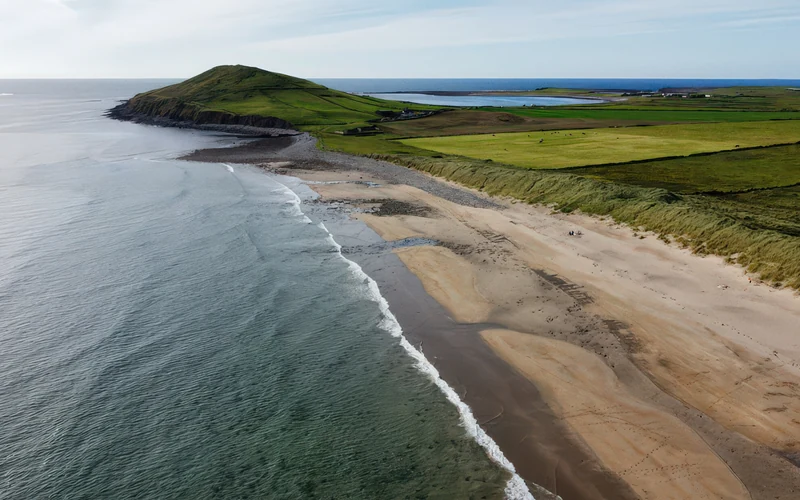
Yellow Strand in County Sligo is a sandy Atlantic beach reported for discreet naturist use rather than formal designation. Naturism here is permissive, so visitors seeking a clothing-optional visit generally keep distance from the main access and other beach users. The setting is open and quiet, with few visitors outside settled summer weather. There are no facilities, toilets, showers, or food outlets expected, so visits work best as short, self-sufficient daytime stops. Atlantic water is generally cold with variable surf and tides, while summer weather remains changeable with wind, cloud, and rain possible.
Visiting the beach
Yellow Strand sits on the Atlantic coast of County Sligo in Connacht and is reached by local roads with a short walk to the shore. Access is open with no admission fee expected and no fixed opening hours, so daylight hours in settled weather offer the most practical conditions for a visit. June to August is generally the mildest period, although wind, cloud, and rain can occur at any time and cool conditions remain possible even in summer. Private vehicle is the most practical way to arrive, as direct public transport is not expected to serve the beach. Parking is likely limited to a small informal area near the access point, so arrival earlier in the day in settled weather is sensible and reduces pressure on limited space. The beach surface is sand along an open and exposed shoreline facing the Atlantic. There is little natural shade or shelter from wind, and sun exposure can be strong in clear weather despite cool air temperatures. Bring water, food, warm layers, wind protection, and sun protection, since no food or drink outlets are expected near the shore. No toilets, showers, or other facilities are expected at the beach itself. The nearest supplies and services are in Sligo and surrounding villages, so food, water, fuel, and weather information should be arranged before arrival. Access is uneven and natural, with soft sand and no adapted facilities expected, which requires steady footing and self-reliance. Swimming involves cold Atlantic water with variable surf and tidal conditions that can change through the day. There is no lifeguard service expected, so caution, self-reliance, and attention to tides and surf are important for anyone entering the water. Short daytime visits of a few hours are most practical given the exposure, changeable weather, and lack of facilities.
Getting there
Access: Reached by local roads with a short walk to the shore
Parking: Small informal parking area expected near the access point
Public transport: No direct public transport expected; private vehicle is most practical
Accessibility: Uneven natural access with no adapted facilities expected
At the beach
Facilities
No facilities expected at the beach
Naturist rules
Naturist use at Yellow Strand is permissive rather than designated, so discretion matters throughout a visit. Set up well away from the main access, families, and textile visitors, and keep movement near paths and the access area clothed until settled in a quieter spot. Avoid staring, photography, loud behaviour, or occupying a large area of sand. Keep swimwear readily available for passing walkers, changing conditions, and any situation where cover is more considerate. Leave the sand clean, take all supplies and rubbish away, and respect wildlife and dunes by staying on resilient ground. If others seem uncomfortable, increase distance, reduce visibility, or cover up without debate.
Visitor overview
Yellow Strand suits visitors looking for a quiet sandy shoreline and low-key naturist time rather than services or social activity. The beach is generally quiet, with few visitors outside settled summer weather, although more people may appear on calm warm days. Conditions are open and exposed, with little shade or shelter, cold Atlantic water, and variable surf and tides. There are no facilities, toilets, showers, food outlets, or lifeguards expected, so self-reliance is essential. Bring supplies, dress for changeable weather with warm layers and wind protection, and plan a short daytime visit around daylight and settled conditions for the most comfortable experience.
Quick answers
Frequently asked questions
Where is Yellow Strand?
Yellow Strand is a sandy Atlantic beach in County Sligo, Connacht, Ireland. Sligo is the nearest main town for supplies and services before a visit. Access is by local roads with a short walk to the shore, and private vehicle is the most practical option. Parking near the access point is expected to be small and informal.
Is Yellow Strand a designated naturist beach?
No formal designation is indicated for Yellow Strand. Naturism is understood as permissive rather than designated, based on reported discreet use. Visitors should therefore keep distance from the main access and other beach users. Discreet behaviour, readily available cover, and willingness to cover up help keep the shared shoreline comfortable.
Are there facilities at Yellow Strand?
No facilities are expected at Yellow Strand, including toilets, showers, or food and drink outlets. Visitors should bring water, food, warm layers, wind protection, and sun protection for a short stay. There is little shade or shelter on the open shoreline. All supplies and rubbish should be taken away, leaving the sand clean.
When is the best time to visit Yellow Strand?
June to August is generally the mildest period for Yellow Strand, although Atlantic weather stays changeable with wind, cloud, and rain possible. Daylight hours in settled weather offer the most practical conditions for access and comfort. Short daytime visits of a few hours work best, given cold water, exposure, and the lack of facilities.
Is the water safe for swimming?
Atlantic water at Yellow Strand is generally cold with variable surf and tidal conditions that can change through the day. No lifeguard service is expected, so swimming requires caution, self-reliance, and attention to tides and surf. Many visitors may prefer to stay ashore in unsettled conditions. Anyone entering the water should stay within personal limits.
Community
What visitors say
RUDEFLY SUNSEEKERS
Who’s into this beach?
Meet Sunseekers connected with this beach.

Be the first one to comment!
No comments yet. Be the first!
Send
Keep exploring