Beach articles today 1 / 3
Unlimited with Premium →

Ten Mile Lagoon
Reported naturist beach
📍 Western Australia, Australia
Ten Mile Lagoon near Esperance is listed for naturist use. Find access, parking, facilities, water conditions and tips for this remote Western Australia coast.
≋Beach details
CountryAustralia
RegionWestern Australia
Naturism statusReported naturist beach
WaterbodySea / ocean
Place typeBeach
Surfacesand
Best season12-02
01020304
05060708
09101112
📍 Map & location
DISCOVER MORE
Explore similar beaches
Location
Naturism
Beach characteristics
Overview
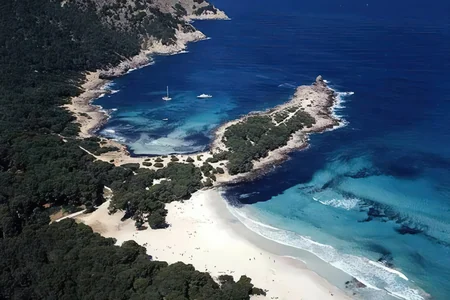
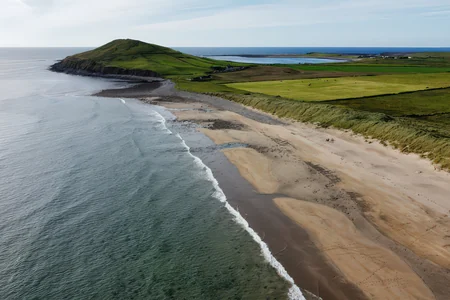
Ten Mile Lagoon is listed in some directories as a place associated with naturist use on the Western Australia coast near Esperance. That status is unverified, so discretion is important and textile use should be expected if others are present. The setting is an open, undeveloped coastal area with sand, shallow lagoon water and ocean shore, exposed to sun, wind and swell. There are no facilities, lifeguards, toilets or food outlets, and shade is limited to low coastal vegetation. Summer months from December to February are generally warmer and drier, with mornings often calmer than afternoons. Visitors need a private vehicle, should bring all supplies, and allow for remote, quiet conditions.
Visiting the beach
Ten Mile Lagoon sits on the Western Australia coast near Esperance in the Shire of Esperance. It is an undeveloped public coastal area with no confirmed managed access rules, so respect surrounding land and tracks and keep to existing worn routes where possible. Access appears to be via unsealed coastal tracks with no developed paths, and ground is uneven natural sand and low coastal vegetation with no accessible facilities, so sturdy footwear and careful footing are sensible. Parking is informal only, using roadside or track areas without marked bays or services, and there is no public transport access, so a private vehicle is required and visitors should plan fuel and navigation for remote travel. There is no confirmed entry fee and no confirmed managed opening hours, consistent with free public access to an unmanaged shoreline. The surface is sand, use is generally quiet, and there are no facilities, toilets, showers, lifeguards, or food and drink outlets of any kind. Bring water, food, sun protection, warm and windproof clothing for changing wind, and bags to carry all rubbish away. The waterbody is ocean and shallow lagoon water that can be cool and affected by wind and swell, with conditions able to change through the day. There is no supervision, so swim conservatively, stay in shallow water, and avoid rough conditions and deeper ocean shore when swell is up. Open exposure means high sun and limited natural shade, with little to no built shelter beyond low coastal vegetation. Summer from December to February is generally warmer and drier, while winter is cooler and windier, and mornings may offer calmer wind than afternoons. Isolation and lack of facilities and supervision may not suit all families, especially those needing easy access or services. Tell someone your plans, carry communications, take all rubbish away, and leave tracks and vegetation undisturbed.
Getting there
Access: Access appears to be via unsealed coastal tracks with no developed paths.
Parking: No formal parking; informal roadside or track parking only.
Public transport: No public transport access; private vehicle required.
Accessibility: Uneven natural ground with no accessible facilities.
At the beach
Facilities
No facilities
Naturist rules
Naturism at Ten Mile Lagoon is directory-claimed only, with uncertain local acceptance and no confirmation of official status. Do not assume nude use is permitted or expected, and be prepared to remain clothed throughout the visit. Keep clear distance from others, remain textile if anyone nearby appears uncomfortable, and avoid nudity near tracks, parking areas, walkers, or families. No photography of others, no staring, no loud conversation, and no sexual behaviour at any time. Keep noise low in the quiet setting and avoid spreading towels or belongings across shared sand. Take all rubbish with you and leave sand and low vegetation undisturbed, staying on worn ground where possible. If in doubt about reactions, access, or appropriate behaviour, stay clothed and observe quietly.
Visitor overview
Ten Mile Lagoon is a quiet, remote coastal area near Esperance with sand, shallow lagoon water, and ocean shore in an undeveloped natural setting. Conditions are open and exposed, with high sun, limited shade from low coastal vegetation, and wind-affected water that can be cool and shaped by swell. There are no facilities, toilets, showers, food outlets, or lifeguards, so visitors must bring water, food, sun protection, and clothing for changing conditions. Access is by unsealed tracks with informal parking and no public transport, requiring a private vehicle and care on uneven ground. Best considered in warmer summer months from December to February, particularly calm mornings, by self-sufficient visitors comfortable with isolation, quiet use, and taking all rubbish away.
Quick answers
Frequently asked questions
Is Ten Mile Lagoon an official nude beach?
No. It is listed in some directories as associated with naturist use, but there is no confirmation of official status. Local acceptance is uncertain, so use discretion, keep distance from others, and be prepared to remain clothed if others are present.
How do I get to Ten Mile Lagoon?
Access appears to be by unsealed coastal tracks near Esperance, with informal roadside or track parking only. There is no public transport, so a private vehicle is required, ground can be uneven natural sand and vegetation, and visitors should plan for remote conditions.
Are there toilets, showers or shops?
No. No toilets, showers, lifeguards, or food and drink outlets are confirmed, and no facilities of any kind are expected. There is no shade or shelter beyond low vegetation, so bring water, food, sun protection, and bags to take all rubbish away with you.
When is the best time to visit?
Summer from December to February is generally warmer and drier, while winter is cooler and windier with more unsettled conditions. Mornings may have calmer wind than afternoons, but sun exposure remains high throughout the year, so bring sun protection and clothing for changing wind.
Is it safe for swimming and families?
Swimming is unsupervised with no lifeguards, and lagoon and ocean water can be cool, windy, and affected by swell. Isolation and lack of facilities may not suit all families, so assess conditions carefully, swim conservatively, and keep children closely supervised near water.
Community
What visitors say
RUDEFLY SUNSEEKERS
Who’s into this beach?
Meet Sunseekers connected with this beach.
Be the first one to comment!
No comments yet. Be the first!
Send
Keep exploring