Beach articles today 3 / 3
Unlimited with Premium →

St Annes on the Sea
Reported naturist beach
📍 England, United Kingdom
St Annes on the Sea is listed for naturist interest but has no designated nude area. Check tides, access, facilities and swimwear expectations before visiting.
≋Beach details
CountryUnited Kingdom
RegionEngland
Naturism statusReported naturist beach
WaterbodySea / ocean
Place typeBeach
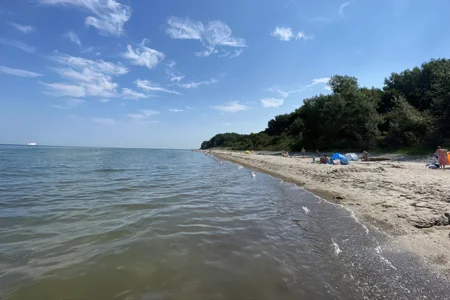
SurfaceWide sandy foreshore with firm and soft patches
Best season06-08
01020304
05060708
09101112
📍 Map & location
DISCOVER MORE
Explore similar beaches
Location
Naturism
Beach characteristics
Overview
St Annes on the Sea naturist beach is a directory-listed Lancashire seafront with no designated area for nude bathing. Swimwear remains the expected dress, and naturism would be unsuitable in this open public setting. The destination is a wide sandy beach beside a level promenade, with usable sand changing markedly with the tide. Cafes, shops and public toilets sit near the promenade and town centre, while the sand itself has few facilities. Daylight around low tide gives the most space for walking, paddling and picnics. Visitors should read local signs, allow for wind and tidal channels, and plan beach time alongside town services.
Visiting the beach
St Annes on the Sea faces the tidal coast of Lancashire with a broad sandy foreshore and a continuous promenade. Access is open from the promenade, with steps and ramped points in places. There are no gates, and nearby businesses and toilets generally keep daytime hours. Because the beach is strongly tidal, plan around low water for the firmest sand and longest walks. High tide can leave only a narrow strip, while low tide exposes wide flats with shallow channels and softer patches. Daylight hours are the practical window for most visits. Short walks take about one hour, while a half day allows time for the beach, promenade and town centre. The surface is sand throughout, suitable for walking, paddling and picnics, but footwear helps where shells, debris or soft ground occur. Facilities are concentrated off the sand. Expect benches, shelters, cafes and shops near the promenade and town, plus public toilets in those areas. There are no confirmed showers directly on the beach, so carry water, food, sun protection and warm layers. Public parking is available near the seafront and town centre, with restrictions possible at busy times. Local rail and bus services reach St Annes, followed by a walk to the seafront. Dog controls may apply seasonally on sections of beach, so check signs on arrival. Lifeguard cover is not assured everywhere, and water clarity and currents vary. Paddle with caution, supervise children, watch wind exposure and keep clear of tidal channels. June to August usually brings milder weather, although sea breezes and cloud can keep temperatures cool.
Getting there
Access: Level promenade access to open sand with steps and ramps in places; usable area varies with tide
Parking: Public parking near the seafront and town centre; restrictions may apply in peak periods
Public transport: Local rail and bus services serve St Annes with walking routes to the seafront
Accessibility: Promenade is generally level for wheelchairs and pushchairs; soft sand may limit access beyond the seawall
At the beach
Facilities
Promenade, shelters, benches and town services nearby; limited facilities directly on the sand
Naturist rules
There is no designated naturist area at St Annes on the Sea, so the correct approach is to remain clothed in swimwear. Do not sunbathe or swim nude on the open beach, promenade or dunes. Respect the family atmosphere by keeping noise low, giving other beach users space and avoiding photography of strangers. Take all litter away, follow dog-control signs and observe notices about tides and safety. Anyone seeking lawful nude bathing should choose an officially recognised naturist venue elsewhere. Because usable sand shifts with the tide, avoid crowding others when space narrows near high water. Keep paths and access points clear, supervise children closely, and leave shelters, benches and toilets as found for the next visitors.
Visitor overview
St Annes on the Sea suits visitors looking for a straightforward Lancashire beach walk, paddle and promenade outing. The broad sand and level paths work well for families, walkers and visitors with pushchairs, although soft sand limits wheelchair access beyond the seawall. Crowds are moderate in summer and lighter outside peak season. There is little natural shade or privacy, and wind is common. Bring supplies, check tides and treat the visit as a textile seaside trip with town facilities close at hand. Plan around low tide for the widest firm sand, since high tide can leave only a narrow strip. Shelters, benches, cafes, shops and public toilets near the promenade and town centre support a short walk of about one hour or a half day combining beach and town.
Quick answers
Frequently asked questions
Is St Annes on the Sea a designated naturist beach?
No. It is only directory-listed for naturist interest. There is no designated nude area, swimwear is expected, and nude bathing would be unsuitable on this busy public seafront. Visitors should remain clothed throughout the beach, promenade and dunes and choose a recognised naturist venue elsewhere for nude bathing.
What is the beach surface and water like?
The beach is wide tidal sand with firm and soft patches. Water is shallow over sand with variable clarity and currents. Low tide gives the most space for walking and paddling, while high tide can leave only a narrow strip. Shallow channels and softer ground occur, so footwear helps and paddling needs caution with children supervised.
How do I access the seafront?
Access is open from the promenade with steps and ramps in places. The promenade is generally level, but soft sand beyond the seawall can be difficult for wheelchairs and pushchairs. Local rail and bus services reach St Annes, followed by a walk to the seafront, and public parking is available near the seafront and town centre.
Are toilets, food and parking available?
Public toilets, cafes, shops and parking are near the promenade and town centre. Facilities directly on the sand are limited, so carry water, food and beach equipment with you. Expect benches, shelters and daytime opening hours near the promenade, with no confirmed showers directly on the beach.
When is the best time to visit?
June to August usually offers milder weather for beach visits. Daylight around low tide is best for usable sand, with about one hour for walks or half a day for beach and town. Sea breezes and cloud can still keep temperatures cool, so check tides, bring warm layers and allow for wind exposure.
Community
What visitors say
RUDEFLY SUNSEEKERS
Who’s into this beach?
Meet Sunseekers connected with this beach.

Be the first one to comment!
No comments yet. Be the first!
Send
Keep exploring