Beach articles today 1 / 3
Unlimited with Premium →
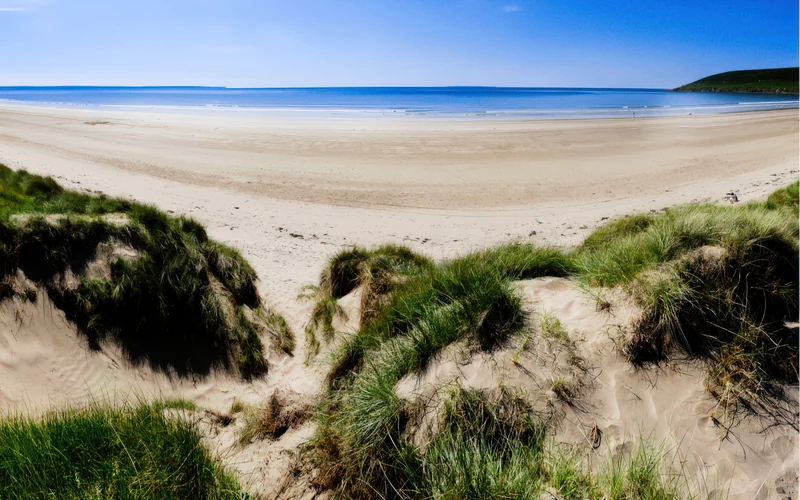
Saunton Sands
Reported naturist beach
📍 England, United Kingdom
Saunton Sands is a wide sandy beach on the North Devon coast, associated with naturist use in the quieter northern section away from the main family area.
≋Beach details
CountryUnited Kingdom
RegionEngland
Naturism statusReported naturist beach
WaterbodySea / ocean
Place typeBeach
Surfacesand
Best season06-09
01020304
05060708
09101112
📍 Map & location
DISCOVER MORE
Explore similar beaches
Location
Naturism
Beach characteristics
Overview
Saunton Sands is a broad, open sandy beach on the Atlantic coast of North Devon, and naturist use is reported in its quieter northern section, away from the main family area. The beach stretches for well over a mile between Saunton village and Croyde, offering enough space for different groups to share it without crowding. Surf, tides and prevailing wind shape the experience here more than any single facility. The northern end, where clothing-optional visitors tend to gather, requires a walk along open sand from the car park entrance. There are no barriers or formal boundaries, just distance and local convention.
Visiting the beach
Getting to the naturist-associated area means arriving at the main car park near Saunton village and walking north along the beach toward Croyde. The walk is straightforward but covers a significant distance of open sand, so carrying what you need rather than returning to the entrance is practical, especially for a longer stay. The car park charges a fee and fills quickly on warm summer weekends, making early arrival worthwhile to secure space and allow time for the walk north. Local buses from Braunton and Barnstaple exist but run infrequently, particularly outside peak season, so driving is the most reliable option for most visitors planning around limited timetables. Facilities are limited to the main entrance end: public toilets, a small seasonal food operation, and a surf school. None of these extend to the northern stretch, so visitors heading north need to bring water, sun protection and other essentials with them. Water is cool Atlantic surf with real currents and a tidal range that can strand swimmers far from dry land if conditions are misjudged, which makes careful attention to tides important. The sand is deep and soft underfoot, which slows walking but makes it comfortable for extended stays once settled. Shade is almost entirely absent across the open beach; dunes provide minimal wind shelter at the back. A windbreaker and hat remain useful even on warm days due to the exposed coastal position and changeable breeze. Lifeguard cover is seasonal and may not extend to the quieter northern section, so awareness of conditions matters more than relying on posted flags. Best visiting months are June through September for milder, steadier weather, though autumn days can still be pleasant.
Getting there
Access: The beach is reached from a car park near Saunton village or by walking along the sand from the Croyde side; the northern end is less developed
Parking: A paid car park is located adjacent to the main beach entrance on the village side
Public transport: Saunton is served by limited local bus routes from Braunton and Barnstaple; services are infrequent, especially outside peak season
Accessibility: A boardwalk provides accessible routes from the car park area to the main beach; the rest of the sand is open terrain
At the beach
Facilities
Car park, public toilets, seasonal food outlets, surf school and boardwalk access near the main beach entrance
Naturist rules
Naturist use at Saunton Sands is a matter of local convention rather than official designation, concentrated in the quieter northern section. Discretion is expected where textile families are present, particularly near the main entrance and surf school areas. The open sand offers little visual privacy, so visitors choosing nudity should be comfortable with that exposure. A towel is practical for sitting on sand and provides a modest barrier when resting. Photography is not welcomed in any part of the beach, and this applies with particular force in areas associated with naturist use. The distance between the main beach and the northern section serves as the natural boundary; crossing into textile-use areas while nude may draw unwanted attention.
Visitor overview
Saunton Sands gives a sense of working out how a naturist-associated section shares a large public beach with families, surfers and casual visitors. The main entrance area is busy in summer, with children, equipment and seasonal activity concentrated near the car park. Moving north along the sand, the crowd thins noticeably and the atmosphere becomes more relaxed and open. Visitors report that the separation by distance is sufficient for different groups to coexist without friction. The natural setting is the dominant feature: wide sand, dunes behind, the Atlantic front and the sense of exposure that comes with it. Practical downsides include limited shade, no facilities in the naturist area, and cool water that restricts swimming without thermal protection.
Quick answers
Frequently asked questions
Where is naturist use found at Saunton Sands?
Naturist use is associated with the quieter northern section of the beach, away from the main family area near the car park. There are no formal boundaries; the separation comes from distance along the open sand toward Croyde. Walking north from the entrance puts you in the less populated stretch.
Is there a charge to visit Saunton Sands?
The beach itself is open access with no admission fee. However, the car park near the main entrance charges a fee, which is the only cost most visitors encounter. Bringing your own supplies avoids any seasonal food outlet prices near the entrance.
Can you swim at Saunton Sands?
Swimming is possible but the water is cool Atlantic surf with currents and a significant tidal range. Many visitors prefer wading, bodyboarding or surfing over prolonged open-water swimming. A wetsuit extends time in the water noticeably in anything but the warmest weeks of summer.
What facilities are available at the naturist area?
The northern section associated with naturist use has no toilets, food outlets or shade structures. Facilities are concentrated at the car park end near Saunton village. Visitors heading north should bring water, sun protection, a towel and anything else they need for the duration of their stay.
How do you reach Saunton Sands without a car?
Limited local bus services connect Saunton to Braunton and Barnstaple, but frequency is low outside peak season. Planning around the timetable is essential if arriving without a car. There is no direct rail connection, so combining train to Barnstaple with a bus or taxi is the most practical public transport route.
Community
What visitors say
RUDEFLY SUNSEEKERS
Who’s into this beach?
Meet Sunseekers connected with this beach.
Be the first one to comment!
No comments yet. Be the first!
Send
Keep exploring