Beach articles today 1 / 3
Unlimited with Premium →
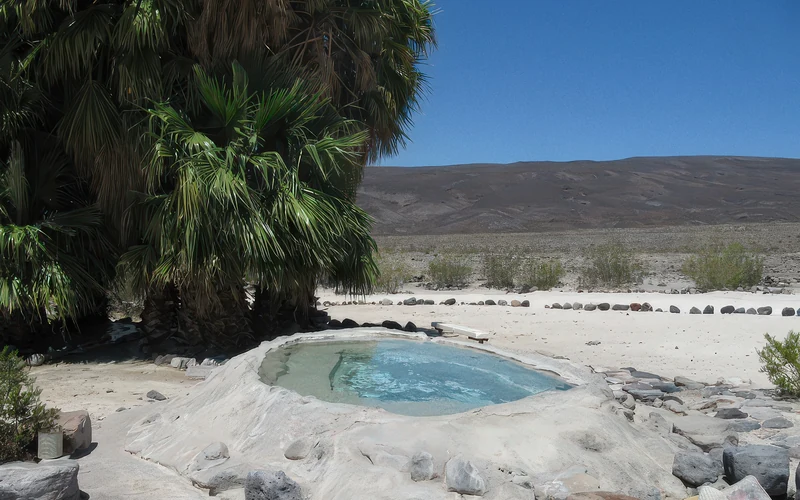
Saline Valley Warm Springs
Reported naturist beach
📍 California, United States
Plan a remote desert soak at Saline Valley Warm Springs, listed for clothing-optional use, with access, camping basics and safety tips for Inyo County.
≋Beach details
CountryUnited States
RegionCalifornia
Naturism statusReported naturist beach
WaterbodyPool
Place typeHot spring
SurfaceNatural desert sand and gravel with constructed soaking pools.
Best season10-04
01020304
05060708
09101112
📍 Map & location
DISCOVER MORE
Explore similar beaches
Location
Naturism
Beach characteristics
Overview
Saline Valley Warm Springs is a remote desert soaking place in Inyo County, California, listed for clothing-optional use rather than formally designated for naturism. Warm mineral pools form the central feature, surrounded by open sand, gravel and primitive camp areas that remain rough and exposed to weather. Visitors should expect strong self-reliance, with no shops, potable water, lifeguards or conventional showers available on site. Morning and late afternoon are generally more comfortable for outdoor activity, while spring and autumn are usually milder than summer heat. Night cold can follow warm days, so layers and sun protection matter in every season. Careful preparation for long roads, heat, sun and night cold makes the experience safer and calmer.
Visiting the beach
Saline Valley Warm Springs requires serious desert travel planning because access is remote by long unpaved roads through open Inyo County terrain. A reliable high-clearance vehicle, extra fuel, water, food, navigation, sun protection and emergency supplies are important, and conditions can change with weather and road use. Posted land-management instructions should be followed throughout the visit, including any guidance around pools and camp areas. There is no public transport service expected, and private vehicle travel is needed for both arrival and departure. Parking is informal on dirt areas near the springs and primitive camp areas, with soft or uneven ground possible after weather or heavy use. The setting is primitive and uneven, with natural desert sand and gravel around constructed soaking pools and no managed accessible facilities expected. Facilities are limited to soaking pools, dispersed camping areas and possible basic toilets, whose condition is uncertain. Do not expect food or drink sales, dependable potable-water services, showers or lifeguard service at any time. Bathing is at personal risk, so assess warm mineral water, pool edges, temperature and cleanliness before entering, and enter cautiously. A visit can range from a brief soak to an overnight backcountry stay, depending on travel time, conditions and camping plans. October through April is generally the more comfortable period, although desert nights can be cold and require warm layers. In warmer weather, morning and late afternoon are generally more comfortable for outdoor activity, while midday sun and heat call for shade and rest. Bring layers, shade, sunscreen and plenty of water, carry all food and supplies, and tell someone your plans because mobile service should not be relied upon in this isolated setting.
Getting there
Access: Remote desert access by long unpaved roads; high-clearance vehicle and backcountry preparation are generally needed.
Parking: Informal dirt parking areas near the springs and primitive camp areas; conditions can vary with weather and road use.
Public transport: No public transport service is expected; private vehicle travel is needed.
Accessibility: Primitive, uneven desert terrain with no managed accessible facilities expected.
At the beach
Facilities
Primitive soaking pools, dispersed camping areas and possible basic toilets; no shops, potable water or lifeguards expected.
Naturist rules
Naturist use at Saline Valley Warm Springs is a directory claim, with current clothing rules unconfirmed and subject to posted instructions. Nude and clothed use may mix around the pools and camp areas, so visitors should expect shared space rather than separated areas. Keep a cover-up available, follow posted instructions and respect other users at all times. Give people space at small pools, avoid staring and do not photograph others without clear permission. Keep noise low, leave pools and camp areas clean, and be discreet when changing near paths or shared edges. Families should consider the remote primitive setting and clothing-optional context for themselves, including long travel, limited facilities and uneven ground.
Visitor overview
Saline Valley Warm Springs suits experienced desert travellers seeking quiet soaking and primitive camping in a remote setting. The atmosphere is generally calm and dispersed, often uncrowded because access is difficult by long unpaved roads. Warm mineral pools are the main attraction, with conditions that can vary by season, weather and maintenance. There are no shops, reliable drinking water, showers or lifeguards, so visitors must carry supplies and bathe at personal risk. Basic toilets may be available, but their condition is uncertain and should not be relied upon. Strong sun, heat, cold nights and isolation shape every visit, so careful supplies, conservative timing and attention to road and weather conditions matter throughout.
Quick answers
Frequently asked questions
Is Saline Valley Warm Springs clothing-optional?
It is listed for clothing-optional use, but formal current clothing rules are not confirmed. Expect possible mixed nude and clothed use around pools and camp areas, follow posted instructions, respect others and keep a cover-up available. Conditions may vary, so observe local practice and give people space.
How do visitors reach Saline Valley Warm Springs?
Access is remote by long unpaved desert roads and private vehicle travel is needed. High clearance, extra fuel, water, food, navigation and emergency supplies are important. Check road, weather and land-management conditions before travel, allow generous time and tell someone your plans because service is unreliable.
What facilities are available at the springs?
Expect primitive soaking pools and dispersed camping areas with possible basic toilets of uncertain condition. Do not expect shops, potable water, showers, lifeguards or managed accessible facilities. The ground is uneven sand and gravel, so bring all food, water and supplies and leave areas clean.
When is the most comfortable time to visit?
October through April is generally more comfortable than summer heat, although desert nights can be cold. Mornings and late afternoons are often better for outdoor activity and soaking. In warmer months, seek shade at midday, carry extra water and sun protection, and plan conservatively for heat.
How long do people usually stay?
Stays range from a brief soak to an overnight backcountry visit. Travel time is long, so many visitors combine soaking with primitive camping and carry all food, water and emergency supplies. Timing depends on road conditions, weather, daylight and personal comfort with remote desert camping.
Community
What visitors say
RUDEFLY SUNSEEKERS
Who’s into this beach?
Meet Sunseekers connected with this beach.

Be the first one to comment!
No comments yet. Be the first!
Send
Keep exploring