Beach articles today 2 / 3
Unlimited with Premium →
≋Beach details
CountrySpain
RegionGalicia
Naturism statusReported naturist beach
WaterbodySea / ocean
Place typeBeach
Surfacesand
Best season06-09
01020304
05060708
09101112
📍 Map & location
DISCOVER MORE
Explore similar beaches
Naturism
Beach characteristics
Overview
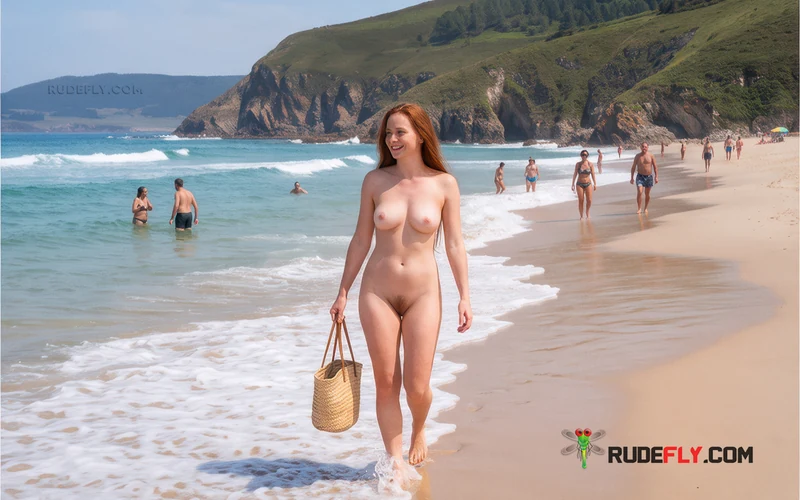
Praia do Rostro is a wild Atlantic beach near Fisterra in Galicia, Spain, listed for informal naturist use alongside textile visitors. The sandy shore faces cool ocean surf and currents, with an undeveloped character and generally low use. Access is by minor rural roads from Fisterra, followed by a walk over sand and uneven ground. There are no developed facilities, toilets, showers, or food outlets at the beach. The shore is fully exposed to sun and wind, with little natural shade. Summer, from June to September, brings the mildest conditions, although wind and fog remain possible. Late morning to afternoon offers the most warmth. Visits are often half-day trips for walking, surfing and bathing.
Visiting the beach
Praia do Rostro sits on the Atlantic coast near Fisterra in Galicia, Spain, in the Europe/Madrid timezone. It is a sandy sea beach with an open, undeveloped setting and generally low crowds. The ocean water is cool, with surf and currents that suit confident swimmers and surfers better than young children, and conditions can change quickly with wind and tide. Coastal access is open at all times, with no admission fee, gate, booking, or fixed hours expected. Visitors arrive by minor rural roads from Fisterra, using informal unsurfaced parking near the access track, then continue on foot across sand and uneven ground. There is no direct public transport to the beach, so regional services to Fisterra leave a gap best covered by car, followed by the sandy walk to the shore. The final sandy approach is uneven and without adapted paths, making access generally unsuitable for wheelchair users and visitors needing step-free access. There are no developed facilities at the beach, including toilets, showers, food outlets, or constructed shelter, and there are no bins or cleaning services. Natural shade is minimal, and the shore is fully exposed to sun and wind, so late morning to afternoon offers the most daylight and warmth for a visit. Summers are mild but can bring wind and fog, while winters are rough and wet, with cool evenings possible even in season. Because nothing is sold on site, visitors bring water, food, sun protection, warm layers, and supplies for packing out waste, including litter. Half-day visits are typical, allowing time for walking, surfing and bathing while respecting the remote setting, exposed dunes and sand, and changing Atlantic conditions. Visitors seeking relative privacy benefit from low use, although complete solitude cannot be assumed, and discretion is expected where naturist and textile use occur side by side.
Getting there
Access: Reached by minor rural roads from Fisterra with final access on foot over sand and uneven ground.
Parking: Informal unsurfaced parking near the access track.
Public transport: No direct public transport to the beach; regional services serve Fisterra.
Accessibility: Uneven sandy access without adapted paths, generally unsuitable for wheelchair users.
At the beach
Facilities
No developed facilities; natural undeveloped beach.
Naturist rules
Naturist use at Praia do Rostro is reported as informal, with textile visitors also present, so discretion is expected. Choose a spot with distance from others and avoid settling close to families or surfers without space. Keep nudity to the open sandy area and cover up when walking to parking or access tracks. Avoid staring, loud behaviour, and unwanted photography, and always ask before taking photos that include others. Take all litter away, as there are no bins or cleaning services, including food packaging and hygiene items. Respect the exposed dunes and sand by staying on established footpaths where possible. Because use is light and mixed, allow extra room during busy summer afternoons and be ready to adjust your place.
Visitor overview
Praia do Rostro suits visitors seeking a quiet, remote Atlantic beach with sandy ground and open views. Low use generally allows privacy, although complete solitude cannot be assumed, especially on mild summer days. Conditions are wild, with cool water, surf, currents, wind, and full sun exposure with little natural shade. The lack of toilets, showers, food, shade, constructed shelter, and public transport means comfort depends on preparation with water, food and warm layers. Access over sand and uneven ground from informal parking is generally unsuitable for wheelchair users. It is better suited to experienced adult visitors than to young children or visitors needing step-free access, particularly for half-day walking, surfing and bathing trips in daylight.
Quick answers
Frequently asked questions
Where is Praia do Rostro?
Praia do Rostro is a sandy Atlantic beach near Fisterra in Galicia, Spain, in the Europe/Madrid timezone. It is reached by minor rural roads from Fisterra, with informal unsurfaced parking near the access track. Final access is on foot over sand and uneven ground without adapted paths.
Is Praia do Rostro a naturist beach?
It is listed for informal naturist use rather than as an officially designated site, with textile use also occurring. Visitors should expect a mixed beach and allow others space. Discretion is expected, with nudity kept to the open sandy area and cover kept for parking and access tracks.
Are there facilities at Praia do Rostro?
No. There are no developed facilities, toilets, showers, food outlets, constructed shelter, or bins at the beach. Parking is informal and unsurfaced near the access track. Visitors need to bring water, food, sun protection, warm layers, and supplies for packing out all waste and litter.
What are the water conditions like?
The water is a cool Atlantic sea with surf and currents that can change quickly with wind and tide. Conditions are better suited to confident swimmers and surfers than to young children. The shore is fully exposed, so caution is needed and families should allow extra distance from breaking surf.
When is the best time to visit?
June to September usually brings the mildest weather for a visit, although wind, fog and cool evenings remain possible. Late morning to afternoon offers the most warmth and daylight for walking, surfing and bathing. Winters are rough and wet, so half-day trips in settled summer conditions are most comfortable.
Community
What visitors say
RUDEFLY SUNSEEKERS
Who’s into this beach?
Meet Sunseekers connected with this beach.
Be the first one to comment!
No comments yet. Be the first!
Send
Keep exploring