Beach articles today 1 / 3
Unlimited with Premium →

≋Beach details
CountryBrazil
RegionSão Paulo
Naturism statusNaturism permitted
WaterbodySea / ocean
Place typeBeach
Surfacesand
Best season12-03
01020304
05060708
09101112
📍 Map & location
DISCOVER MORE
Explore similar beaches
Overview
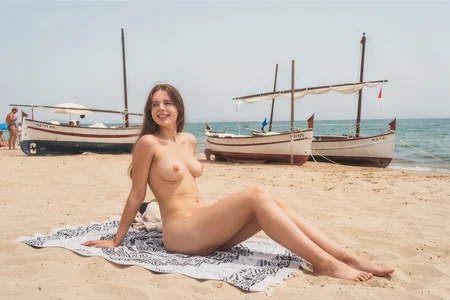
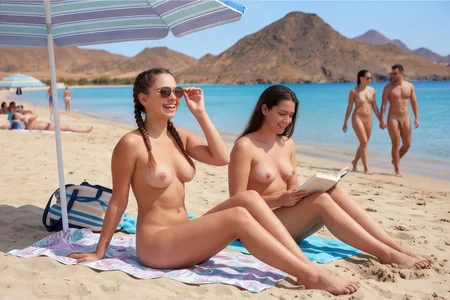
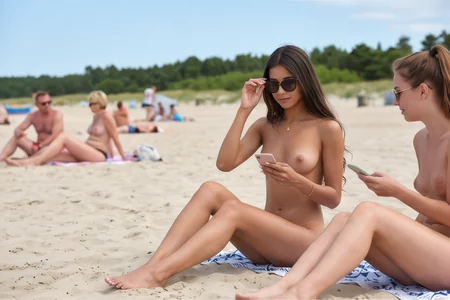
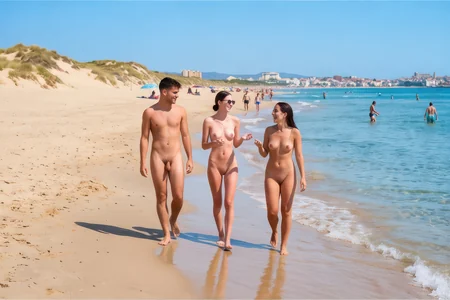
Praia Brava near Caraguatatuba is listed as a permissive naturist beach, rather than an officially designated naturist area. The beach sits on the São Paulo coast with open sand facing the ocean and a quiet, secluded character that suits self-sufficient visitors. Access is on foot via trail, with no direct road to the sand and no parking at the shoreline itself. There are no toilets, showers, shops, or lifeguard service, so visits require planning and self-sufficiency. Mornings tend to offer calmer conditions, while midday brings strong sun on the open beach with limited natural shade. Visitors often stay a few hours before walking back.
Visiting the beach
Praia Brava is reached on foot via trail, with no direct road access to the sand. Wear sturdy footwear for the walk, stay on established paths, and respect any local signs along the route. There is no parking at the beach itself, so use parking near the trail access and continue on foot to the shoreline. There is no direct public transport to the sand; travel toward Caraguatatuba and allow time for the final walk from the nearest stopping point. Allow extra time for the return walk, especially in heat or after rain when paths can be slippery. The beach has a sandy surface with mostly open exposure and limited natural shade. Bring sun protection, sufficient drinking water, and food, as there are no shops or kiosks near the sand. There are no toilets, showers, or lifeguard service, so plan for a short, self-sufficient stay of a few hours. Carry bags for waste and take everything away, since there are no bins or cleaning services. The water is ocean with variable surf, so check conditions before entering and swim conservatively. Mornings tend to offer calmer conditions for arrival and for assessing the sea. The setting is usually quiet with few visitors because of the remote trail access, which also means limited nearby assistance. Keep valuables minimal and carry basic safety supplies, including sun protection and drinking water. Summer months are warmer and wetter, while winter is cooler and drier; December to March is generally the warmest period for a visit. Strong midday sun affects the open sand, so mornings are often more comfortable. The uneven trail without adapted facilities is unsuitable for wheelchairs and visitors with limited mobility.
Getting there
Access: Reached on foot by trail; no direct road access to the sand.
Parking: No parking at the beach; visitors park near the trail access and continue on foot.
Public transport: No direct public transport to the beach; travel toward Caraguatatuba then continue on foot via trail.
Accessibility: Uneven trail access without adapted facilities; unsuitable for wheelchairs and visitors with limited mobility.
At the beach
Facilities
No facilities, toilets, showers, shops or lifeguard service at the beach.
Naturist rules
Naturist use at Praia Brava is reported as permissive rather than officially designated, so a discreet and respectful approach matters. Set up with space from others and avoid staring, photography, or loud behavior that could disturb the quiet setting. Keep swimwear available for the trail and for encounters with clothed walkers, since textile use is also present. Do not leave clothing, towels, or supplies spread across shared access routes or on narrow parts of the sand. Take all litter away, as there are no bins or cleaning services at the beach. Respect anyone who chooses to remain clothed, and follow any local signs. If the beach is busier than expected, lower your profile and give others extra room.
Visitor overview
Praia Brava suits visitors seeking a quiet, self-sufficient beach day with reported permissive naturist use. Expect open sand, ocean water with variable surf, and strong midday sun with limited natural shade. There are no facilities, toilets, showers, food sellers, or lifeguards, so bring drinking water, food, sun protection, and bags for waste. Crowds are usually low because access requires a trail walk from near Caraguatatuba, and visits often last only a few hours. Mornings tend to offer calmer conditions for arrival and for assessing the sea. The remote setting without facilities and with uneven trail access may not suit all families or visitors with limited mobility.
Quick answers
Frequently asked questions
Is Praia Brava an official naturist beach?
Praia Brava is reported as permissive for naturist use rather than officially designated. Visitors should act discreetly, allow space for others, and respect clothed beach users and any local signs posted near the trail or sand.
How do you get to Praia Brava in Caraguatatuba?
Access is on foot via trail, with no direct road to the sand. Visitors park near the trail access or travel toward Caraguatatuba by transport, then walk. Wear suitable footwear and stay on established paths.
Are there facilities at Praia Brava?
No. There are no toilets, showers, shops, kiosks, rentals, or lifeguard service at the beach. Bring drinking water, food, sun protection, and bags for waste, and plan for a visit of only a few hours.
What are the sea and sand conditions like?
The beach has open sand with limited natural shade and strong midday sun. The water is ocean with variable surf. Mornings tend to offer calmer conditions, but always assess the sea carefully before swimming on arrival.
When is the best time to visit Praia Brava?
December to March is generally the warmest period, within a summer pattern that is warmer and wetter. Winter is cooler and drier. Mornings are often preferable for calmer conditions and sun exposure before midday heat builds.
Community
What visitors say
RUDEFLY SUNSEEKERS
Who’s into this beach?
Meet Sunseekers connected with this beach.

Be the first one to comment!
No comments yet. Be the first!
Send
Keep exploring