Beach articles today 1 / 3
Unlimited with Premium →

≋Beach details
CountryBrazil
RegionSão Paulo
Naturism statusNaturism permitted
WaterbodySea / ocean
Place typeBeach
Surfacesand
Best season12-03
01020304
05060708
09101112
📍 Map & location
DISCOVER MORE
Explore similar beaches
Overview
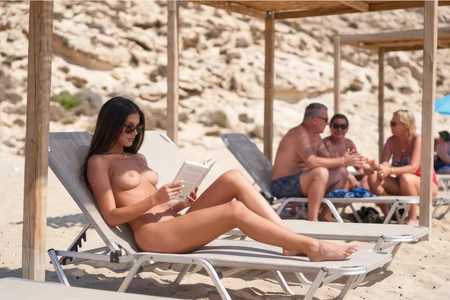
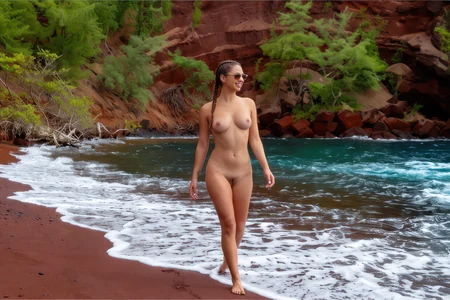
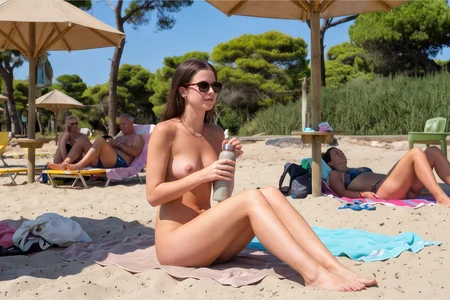
Praia Branca near Guarujá in São Paulo is a secluded Atlantic beach reported for permissive naturist use in its quieter sections. The beach is listed as clothing-optional and permissive for nudism, though swimwear remains common and use is informal rather than officially designated. Reached only on foot via forest trail or by boat, with no road to the sand, visitors walk established trails through surrounding vegetation to reach the shore. It offers a natural sandy shore backed by Atlantic forest, with minimal development and little built infrastructure. The setting feels calm and low-key, away from road access, suiting prepared visitors seeking quiet.
Visiting the beach
Praia Branca sits on the Atlantic coast between Guarujá and Bertioga and is reached only on foot or by boat. There is no road to the sand, so visitors walk established forest trails from trailheads in the surrounding neighborhoods. The trail surface is natural and uneven, with roots and sand, and can be slippery after rain. Allow time for the walk in daylight and wear suitable footwear. There is no parking at the beach itself; parking is found near the trailheads and requires a walk to the shore. Public transport does not go directly to the beach. Buses serve nearby areas of Guarujá and Bertioga, but a walk to the trail remains necessary. The beach is open with no fixed opening hours and no admission fee. It is a public, undeveloped beach with minimal facilities and no lifeguard service. Small kiosks may offer food and drinks seasonally, but supplies are limited and not guaranteed, so bring water, food, sun protection and any other needs. Natural shade exists near the bordering vegetation, but there is little built shelter on the open sand and sun exposure is strong at midday. The water is Atlantic ocean with variable surf and currents that depend on weather. The subtropical climate is warmer and wetter in summer, which is also the busier period, especially on weekends and holidays. December to March is generally considered the most favorable window for beach visits, though conditions vary. Plan for a half-day visit to account for the trail in and out, and carry out all waste to help protect the vegetation and keep the beach natural.
Getting there
Access: Accessible only on foot via forest trail or by boat; no road access directly to the sand, stay on established trails.
Parking: No parking at the beach; visitors park near trailheads in the Guarujá/Bertioga area and continue on foot
Public transport: No direct public transport to the beach; buses serve nearby neighborhoods with a walk to the trailhead required
Accessibility: Natural trail with uneven ground, roots and sand; no paved paths or beach infrastructure, not suitable for wheelchairs or limited mobility.
At the beach
Facilities
Minimal facilities; largely undeveloped natural beach with little built infrastructure
Naturist rules
Naturism at Praia Branca is informal and permissive, concentrated in more secluded sections while other parts of the beach remain textile. There is no indication of an officially designated zone, so observe local practice and choose a spot away from families and textile visitors if you wish to be nude. Give others space, avoid staring or photography of other people, and keep noise low. Stay on established trails, respect vegetation, and take all belongings and litter with you. As there are no lifeguards or facilities, be self-sufficient and discreet, and cover up when moving through shared trail areas or near kiosks.
Visitor overview
Praia Branca appeals to visitors seeking a natural, secluded Atlantic beach rather than a developed resort. The sand is backed by forest, with natural shade at the edges and open sun on the shore. Facilities are minimal, with no toilets or showers on the beach and only seasonal kiosks that may offer limited food and drinks. The atmosphere is generally quiet, especially on weekdays, with more people on summer weekends. Access by trail or boat keeps numbers lower than road-accessible beaches. The beach is reported as permissive for naturism in quieter sections, but use is informal and mixed with swimwear. Prepare for a half-day outing with supplies, sun protection and suitable footwear for the trail.
Quick answers
Frequently asked questions
Is Praia Branca an official naturist beach?
Praia Branca is listed as permissive for nudism and clothing-optional use, with informal naturist use reported in secluded sections. Swimwear remains common elsewhere and there is no evidence of an officially designated or legally protected naturist zone.
How do you get to Praia Branca?
Access is on foot via forest trails or by boat. There is no road to the beach. Visitors park near trailheads in the Guarujá and Bertioga area or take buses to nearby neighborhoods and then walk the trail in daylight.
Are there facilities, toilets or lifeguards?
Facilities are minimal. No lifeguard service is reported and there are no toilets or showers on the beach. Small kiosks may sell food and drinks seasonally, but supplies are limited, so bring water, food and sun protection.
When is the best time to visit Praia Branca?
The coast has a subtropical climate with warmer, wetter summers. December to March is generally the most favorable period for beach weather, though it is also busier on weekends and holidays. Morning visits offer calmer conditions and easier trail use.
Is Praia Branca suitable for families?
The secluded setting, trail access, lack of lifeguards and limited facilities make it less convenient for families with small children. It is better suited to prepared adults who can manage the walk and bring necessary supplies.
Community
What visitors say
RUDEFLY SUNSEEKERS
Who’s into this beach?
Meet Sunseekers connected with this beach.
Be the first one to comment!
No comments yet. Be the first!
Send
Keep exploring