Beach articles today 1 / 3
Unlimited with Premium →
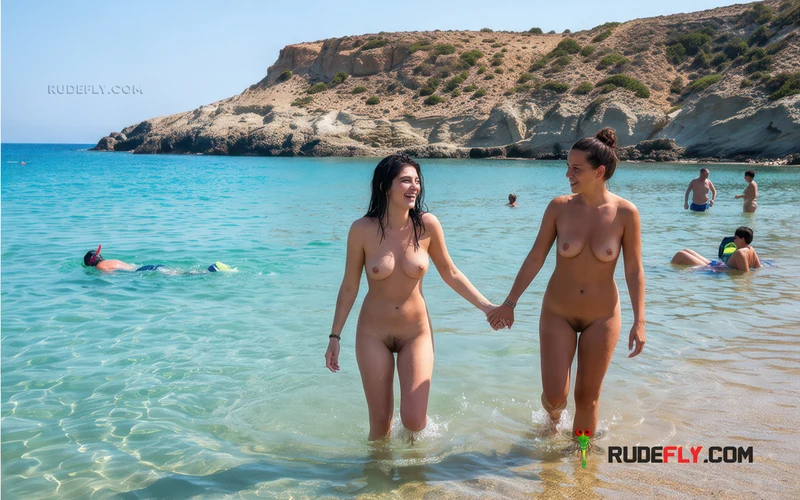
Potamos Cove
Reported naturist beach
📍 Region of Crete, Greece
A remote pebble cove on Gavdos reported as a naturist-friendly swimming spot, with clear shallow water and minimal crowds away from organized beaches.
≋Beach details
CountryGreece
RegionRegion of Crete
Naturism statusReported naturist beach
WaterbodySea / ocean
Place typeBeach
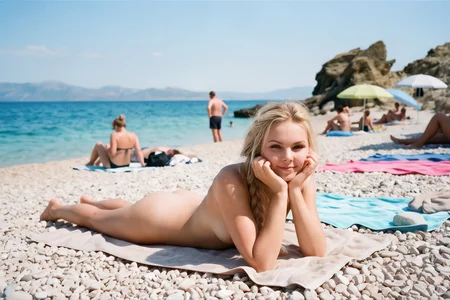
SurfaceCoarse pebbles and shingle with shallow rocky areas near the waterline.
Best season06-09
01020304
05060708
09101112
📍 Map & location
DISCOVER MORE
Explore similar beaches
Location
Naturism
Beach characteristics
Overview
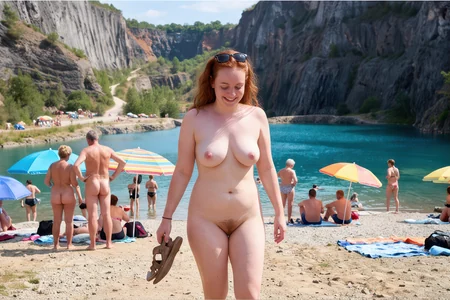
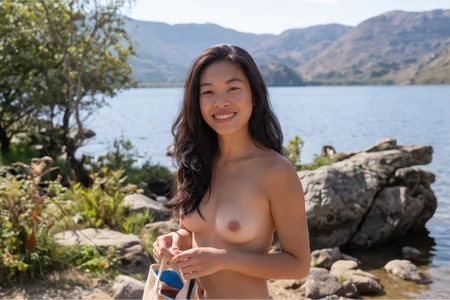
Potamos Cove is a small, undeveloped pebble cove on the northern shore of Gavdos island in the Libyan Sea, south of Crete. Visitors report that naturist use is tolerated here, though no sign or official notice marks it as clothing-optional. The water is shallow, clear, and typically calm, set against a coarse pebble and rock shoreline with almost no built infrastructure. Sparse scrub offers little natural shade, and there are no services, so sun exposure is high through the middle of the day. For swimmers who prefer a remote and unmanaged spot, the cove offers a genuine sense of the island's wilder coastline, with quiet water and very few other bathers even in summer.
Visiting the beach
Gavdos lies roughly forty kilometres south of Crete, reachable by seasonal ferry from Paleokastro or Chora Sfakion to the port of Keramos. From Keramos, a rough footpath leads east along the coast toward Potamos. The walk covers uneven ground with loose stones and no shade, so sturdy sandals or water shoes are worth carrying. Small boats sometimes run between the harbour and nearby coves in high season, though availability depends on local operators and sea conditions. Nothing is provided at the cove itself. There is no sunbed rental, no bar, no toilets, no shower, and no lifeguard. Bring sufficient drinking water, sun protection, and any food you want during your visit, as the nearest tavernas and shops are back near the harbour area. The surface is coarse pebbles grading into rock, and the water stays shallow for several metres from shore before deepening gradually. The island population is tiny and the summer visitor season is short. Ferry service runs from approximately June through September or early October, with one or two crossings daily depending on the schedule for that year. Outside those months the cove remains open as natural coastline but is no longer reachable by public transport and is practical only by private boat in settled weather. Crowds are minimal at any time. The cove is small and does not attract the numbers seen at organized beaches on larger Greek islands. If you arrive by mid-morning the sun will already be high and temperatures warm, with only sparse scrub for limited shelter. Late afternoon offers softer light and often calm water for a one to three hour swim and rest, but allow enough time for the walk back to Keramos before dusk, when the uneven path becomes harder to follow.
Getting there
Access: Reached on foot via a rough path from the Keramos harbour area, or by small boat. No direct road access to the cove itself.
Parking: No parking at the cove. Limited roadside parking available in the Keramos harbour area where the footpath begins.
Public transport: Seasonal ferry connects Keramos harbour on Gavdos to Paleokastro or Chora Sfakion on Crete. No local bus serves the cove.
Accessibility: Not suitable for wheelchairs or mobility-impaired visitors. The footpath crosses uneven terrain with no graded surface.
At the beach
Facilities
No organized facilities. No sunbed rental, no beach bar, no lifeguard, and no constructed changing rooms.
Naturist rules
Naturist use at Potamos is informal and unregulated. There is no designated section, no posted notice, and no separate entrance. If you choose to swim unclothed, be aware that the cove is small and the line of sight across the water and shoreline is open, so clothed families and other visitors may be present simultaneously. General Greek beach norms apply: nudity is tolerated where it has been established by local practice but is not automatically expected by everyone at the site. Discretion toward other bathers, avoiding photography of anyone without consent, and not treating the cove as a social gathering point help keep the atmosphere neutral. Swim and sunbathe in one settled spot rather than spreading across the shore, and keep noise low.
Visitor overview
Visitors describe Potamos Cove as one of the quietest spots on Gavdos, far from any organized beach scene. The pebble shoreline and clear shallow water make it pleasant for a relaxed swim on settled days, with high clarity typical of the Libyan Sea. Its appeal lies in isolation rather than convenience, as there is no shade, no services, and no lifeguard. A short walk over rough ground is needed to arrive, so sturdy footwear and drinking water are essential. The reported tolerance of naturist use adds to its informal, low-key character without formal zones or signs. Those who enjoy unmanaged coastlines and are comfortable without facilities tend to rate a one to three hour visit positively.
Quick answers
Frequently asked questions
Is Potamos Cove officially a nudist beach?
No. There is no government designation, sign, or published notice marking Potamos Cove as a naturist beach. Visitors report that nudity is tolerated here as an informal local practice, but the site remains an open natural cove with no specific clothing rules or separated zones for different visitors.
How do I get to Potamos Cove from Keramos?
A rough footpath leads from the Keramos harbour area toward the cove, passing over uneven pebbly ground and rock with no shade. The walk requires reasonable fitness and sturdy footwear. Small local boats occasionally serve nearby coves during summer, but this is not a scheduled public route and depends on sea conditions.
Are there any facilities at the cove?
No. There are no toilets, showers, drinking water points, sunbed rentals, or food vendors at Potamos. Visitors must carry everything they need, including water, sun protection, and food, and return to Keramos for any provisions, restrooms, or shelter from strong sun and wind during their visit.
What is the water like for swimming?
The cove is shallow near the shore with clear water, typical of a sheltered pebble beach on the Libyan Sea. Conditions are generally calm and pleasant for swimming, but north winds and summer meltemi can produce chop that makes the rocky entry less comfortable on exposed days.
When is the best time to visit Gavdos for this cove?
The ferry season runs roughly from June through September or early October, with the warmest weather and calmest sea in July and August. June and September offer slightly cooler temperatures and fewer visitors, while still providing reliable sea access and pleasant conditions for swimming and walking.
Community
What visitors say
RUDEFLY SUNSEEKERS
Who’s into this beach?
Meet Sunseekers connected with this beach.
Be the first one to comment!
No comments yet. Be the first!
Send
Keep exploring