Beach articles today 1 / 3
Unlimited with Premium →
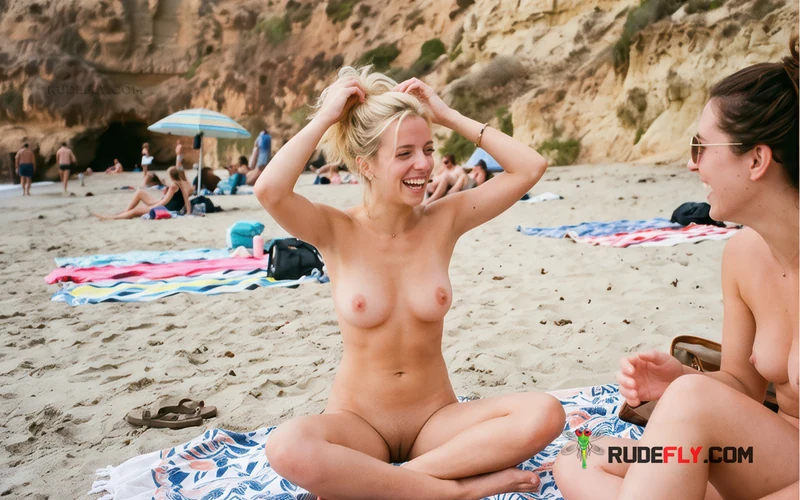
Playa Luna
Reported naturist beach
📍 Valparaiso Region, Chile
Playa Luna near Puchuncaví is listed for naturist use on Chile's central coast. Plan foot access, daytime visits, and what to bring for an undeveloped beach.
≋Beach details
CountryChile
RegionValparaiso Region
Naturism statusReported naturist beach
WaterbodySea / ocean
Place typeBeach
Surfacesand
Best season12-03
01020304
05060708
09101112
📍 Map & location
DISCOVER MORE
Explore similar beaches
Location
Naturism
Beach characteristics
Overview
Playa Luna near Puchuncaví in the Valparaíso Region is listed for naturist use on Chile's central Pacific coast. The traditionally used beach area is reported as a place where naturist swimming and sunbathing occur, while swimwear is expected on access paths. The setting is an undeveloped sandy beach with open sun exposure, little natural shade, and cool Pacific water with variable surf. There are no shops, toilets, showers, or lifeguard service at the beach, so visits require self-sufficiency. Access is on foot using established paths, with informal parking nearby and no direct public transport. Warm dry summers are the most comfortable period, with daytime half-day visits common from morning to late afternoon.
Visiting the beach
Playa Luna is an undeveloped sandy beach on the Pacific coast near Puchuncaví in the Valparaíso Region. It is listed for naturist use, with naturist activity concentrated in the traditionally used beach area and swimwear expected on the access paths. The beach has no formal opening hours and use is daytime only, commonly from morning to late afternoon. Half-day visits are common. Access is public and on foot using established paths. The ground can be uneven, and the final surface is soft sand. Parking is informal near the access area, followed by a walk to the shore. There is no designated accessible parking reported. There is no direct public transport to the beach, so travel usually involves a private vehicle or taxi to the access area and then walking. The beach is generally quiet, although more visitors can be present on warm summer weekends. Warm dry summers are the most comfortable season, broadly from December to March, while winters are cooler. Pacific water remains cool through the year and surf conditions can vary, so care is needed when entering the water. There is no lifeguard service reported. Facilities are absent. There are no shops, food outlets, public toilets, showers, shade structures, or lifeguards. Visitors bring drinking water and food and take everything away. Sun exposure is high on the open sand and natural shade is limited. Sun protection is therefore important. The setting is relatively sheltered, but standard precautions apply for sun, terrain, and ocean conditions. The beach is described as adult-oriented because of accepted naturist use, requiring discretion where children are concerned. No clear dog policy is reported. No advertised admission fee applies and free public access is expected.
Getting there
Access: public beach reached on foot using established paths with uneven terrain
Parking: informal parking near the access area followed by a walk to the beach with no designated accessible parking reported
Public transport: no direct public transport to the beach with private vehicle or taxi to the access area then walking required
Accessibility: not wheelchair accessible because of footpaths, slopes and soft sand with no adapted facilities reported
At the beach
Facilities
undeveloped beach with no facilities, toilets, showers, shops or lifeguards
Naturist rules
At Playa Luna naturist use is associated with the traditionally used sandy area rather than the access paths. Arrive and leave dressed, then settle before changing within the established area and remain there for nude swimming and sunbathing. Give other beach users space and avoid staring, loud behaviour, or unwanted photography. Keep noise low in the quiet setting, which can feel busier on warm summer weekends. There are no toilets, showers, or bins reported, so take all food packaging and rubbish away and bring drinking water, food, and sun protection for self-sufficient daytime stays. Because the beach is undeveloped and adult-oriented, be discreet and considerate toward textile visitors and families nearby, with swimwear expected outside the established area.
Visitor overview
Playa Luna suits visitors seeking a quiet, undeveloped Pacific beach listed for naturist use near Puchuncaví. Expect open sand, high sun exposure, little shade, cool water, and variable surf. There are no facilities, shops, toilets, showers, or lifeguards, so the experience is self-sufficient and best as a daytime half-day visit from morning to late afternoon. Access is on foot using established paths with uneven ground and soft sand, following informal parking near the access area. There is no direct public transport reported, which adds to the remote feel. Warm dry summer months, broadly December to March, offer the most comfortable conditions, while winters are cooler and the setting can feel busier on warm summer weekends.
Quick answers
Frequently asked questions
Where is Playa Luna in Chile?
Playa Luna is a sandy Pacific beach near Puchuncaví in the Valparaíso Region. It is reached on foot using established paths after informal parking near the access area. There is no direct public transport reported.
Is Playa Luna a naturist beach?
Playa Luna is listed for naturist use rather than confirmed as officially designated. Naturist activity is reported in the traditionally used beach area in practice, while swimwear is expected on access paths and outside that area.
What facilities are at Playa Luna?
The beach is undeveloped with no shops, toilets, showers, shade structures, or lifeguard service reported. Natural shade is limited and sun exposure is high, so visitors need to bring drinking water, food, and sun protection and remove all rubbish.
When is the best time to visit Playa Luna?
Warm dry summer months, broadly December to March, offer the most comfortable beach weather. Daytime visits from morning to late afternoon are common, with half-day stays typical. Pacific water stays cool all year with variable surf conditions reported.
Is Playa Luna suitable for children and dogs?
The setting is described as adult-oriented because naturist use is accepted, so discretion is needed with children. No clear dog policy is reported. Uneven paths, open sun, limited shade, cool water, and variable surf also require caution.
Community
What visitors say
RUDEFLY SUNSEEKERS
Who’s into this beach?
Meet Sunseekers connected with this beach.
Be the first one to comment!
No comments yet. Be the first!
Send
Keep exploring