Playa de Punta del Palo
Reported naturist beach≋Beach details
📍 Map & location
Explore similar beaches
Location
Naturism
Beach characteristics
Overview
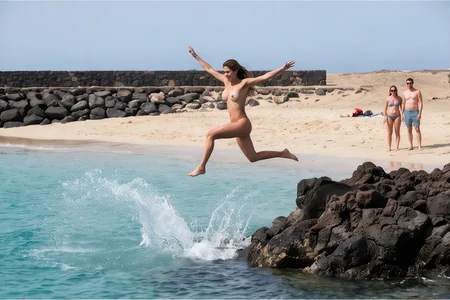
Playa de Punta del Palo is reported for naturist use on the northern coast of Lanzarote in the Canary Islands. It is listed as an informal naturist beach rather than an officially managed site. The shoreline is formed of volcanic rock and uneven stone, with little sand and no developed facilities. Visitors generally find a quiet, exposed setting with scattered space along the water. Lanzarote brings mild, dry weather for much of the year, although coastal wind can alter comfort. A visit works best as a short stop or half-day stay with full self-sufficiency.
Visiting the beach
Playa de Punta del Palo sits on an exposed volcanic coastline where access is informal. Expect to walk over uneven rock rather than follow a marked beach path. Sturdy shoes, a thick ground mat and careful footing make the visit more comfortable. There is no promenade, adapted route or easy sandy entry, so the shore is unsuitable for wheelchairs and difficult with pushchairs. Parking is informal, generally involving roadside space followed by a walk to the water. Public transport does not practically serve the immediate shoreline, so most visitors depend on a private vehicle. There are no toilets, showers, lifeguards, sunbeds or food outlets. Bring drinking water, food, sun protection and a bag for rubbish. Natural shade is scarce and sun can feel strong even when wind keeps temperatures moderate. The sea is open to wind and swell, and entry over rock can be awkward. Use only calm conditions for paddling or swimming, stay clear of exposed edges and avoid climbing on wet rock. Daylight visits are advisable because the ground is difficult to read in low light and there are no fixed opening hours for this open coastline. Crowding is normally low, so finding space is seldom difficult, with few people spread along the shore. Settle where footing feels secure and where distance from paths or fishing spots can be maintained. Mild late spring through early autumn, broadly May through October, often gives the most comfortable balance of warmth and daylight, but wind remains possible in any season. Check local signage on arrival and adjust plans if the sea looks active, and expect no entry fee for this open natural shoreline.
Getting there
Access: Reached on foot over uneven natural coastal ground with no formed promenade or easy sand entry.
Parking: No formal beach car park; visitors generally use informal roadside space and walk to the shore.
Public transport: No direct public transport to the shore is expected; access generally depends on a private vehicle.
Accessibility: Not convenient for limited mobility because of uneven volcanic rock and lack of adapted paths or services.
Facilities
Naturist rules
Naturism here is reported and informal, not presented as officially designated. Keep behaviour discreet and avoid drawing attention near paths, anglers or clothed visitors. Choose a settled position with reasonable distance from others and keep swimwear available for arrival, departure or shared access points. Avoid photography of other people, keep noise low and leave rock surfaces and shoreline exactly as found. Take all litter away because no bins are provided, and bring water and supplies since no outlets are expected. If notices restrict access or behaviour, follow them. Give anglers and walkers clear space, change discreetly without prolonged exposure on paths, and leave promptly if your presence makes others uncomfortable.
Visitor overview
This is a spare, natural shoreline for visitors who value quiet over comfort. The volcanic surface, lack of services and variable sea give it a raw coastal character. People come for short periods of sun, swimming in calm water and solitude rather than full beach days. Comfort depends on preparation: footwear, padding, water, food and sun cover matter more than usual because no toilets, showers or food outlets are expected. Those seeking sand, shade, toilets or lifeguards will find the setting demanding, especially with uneven stone and little or no sand. Those comfortable with rocky terrain may appreciate the open air and low numbers, with generally quiet conditions and few people spread along the shore. Daylight visits in calm weather make the experience more practical and relaxed.
Frequently asked questions
Where is Playa de Punta del Palo?
It is a rocky coastal beach on northern Lanzarote in the Canary Islands, Spain. Access is informal over natural volcanic ground, with no developed beachfront or promenade. Visitors generally use informal roadside space and walk to the shore over uneven stone.
Is Playa de Punta del Palo a naturist beach?
It is listed and reported for naturist use, but not described as officially designated. The status remains informal rather than managed. Visitors seeking naturism should remain discreet, keep distance from others, and respect any local signage or other coastal users.
What is the surface and sea entry like?
The shore is volcanic rock and uneven stone with little sand and little or no easy entry. Sea entry can be awkward, and wind and swell can change conditions quickly. Calm weather, careful footing and sturdy footwear make visits safer and more comfortable for paddling or swimming.
Are there facilities, lifeguards or toilets?
No. There are no expected toilets, showers, lifeguards, sunbeds, bins or food outlets at this unserviced coastal location. No lifeguard service is expected. Bring water, food, sun protection and take all rubbish away with you, as natural shade is also scarce.
When is the best time to visit?
Daylight hours in calm conditions are most practical, often from late spring through early autumn, broadly May through October. Wind can make the exposed coast feel cooler in any season, so check conditions before travelling and avoid active seas or low light.