Beach articles today 1 / 3
Unlimited with Premium →
Playa de Martínez-Alonso
Naturist beach
📍 Canary Islands, Spain
Guide to Playa de Martínez-Alonso, a quiet naturist beach on Tenerife's north coast near La Orotava. Check access, surface and facilities before you visit.
≋Beach details
CountrySpain
RegionCanary Islands
Naturism statusNaturist beach
WaterbodySea / ocean
Place typeBeach
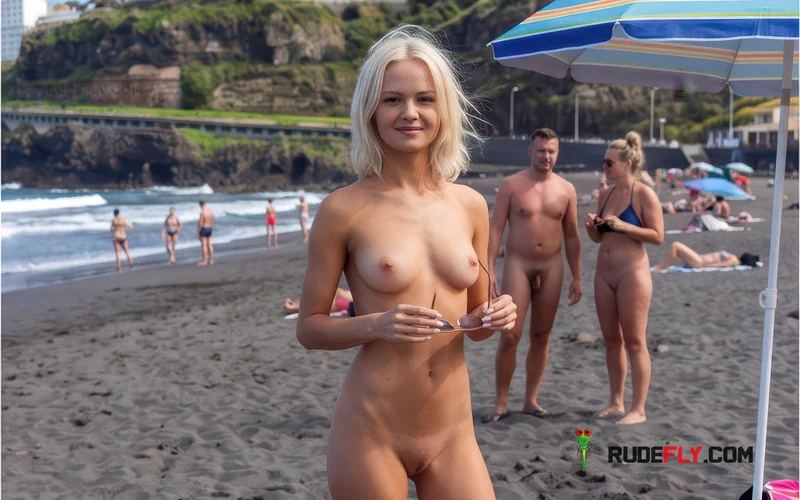
SurfaceDark volcanic sand mixed with pebbles and rocks.
Best season05-10
01020304
05060708
09101112
📍 Map & location
DISCOVER MORE
Explore similar beaches
Location
Naturism
Beach characteristics
Overview
Playa de Martínez-Alonso is listed for naturist use on the north coast of Tenerife near La Orotava. This small Atlantic beach is known for quiet, clothing-optional bathing in a natural setting. The shore has dark volcanic sand mixed with pebbles and rocks, with rocky sections at the water's edge and cool to mild water that can have waves and currents. There are no toilets, showers, shops or lifeguard service, and shade is very limited, so sun exposure is high. Access is on foot from the coastal road via informal paths with a short uneven descent. Visitors should expect an informal, undeveloped environment, bring water, food and sun protection, and plan for a short stay of one to three hours.
Visiting the beach
Playa de Martínez-Alonso lies on the Atlantic coast in the municipality area near La Orotava, Santa Cruz de Tenerife. Access is on foot from the coastal road via informal paths with a short descent over uneven ground that requires steady footing. The surface is dark volcanic sand mixed with pebbles and rocks, and entry to the water can be rocky in places, so footwear helps on the shore. There is little natural shade and no shelters, so sun exposure is high and visitors should bring sun protection. The beach is undeveloped with no toilets, showers, shops, bars or food options, and there is no lifeguard service. Bring water and food for the whole visit and plan for a short stay of one to three hours, taking all belongings and litter away with you. Parking is limited to informal space along the nearby road, followed by a walk to the shore over natural terrain. There is no direct public transport to the beach; regional buses serve the La Orotava area and require walking for the final approach. The beach is public with no admission fee, open at all times with no formal hours and no gate, though visitors should respect signage and natural terrain. Conditions are mild year-round, with the warmest and driest period from May to October. Mornings to early afternoon generally offer the best light and often calmer sea, though Atlantic waves and currents can occur and water temperatures remain cool to mild. The setting is usually quiet with few visitors, even in season, offering some privacy but no supervision, so take care on rocks and in the water. Check sea conditions before swimming, keep to comfortable depth, and allow extra time for the return walk uphill.
Getting there
Access: Reached on foot via informal paths from the coastal road with a short descent to the shore over uneven ground.
Parking: Limited informal parking along the nearby road, requiring a short walk to the beach.
Public transport: No direct service to the beach; regional buses serve the La Orotava area with a walk required.
Accessibility: Not wheelchair accessible; access involves uneven and sloping terrain with no adapted facilities.
At the beach
Facilities
Undeveloped with no permanent facilities.
Naturist rules
Naturism at Playa de Martínez-Alonso is reported and tolerated, with nudity accepted but not required. Visitors mix clothed and nude use, so respect personal space and avoid staring or photography of others. Keep noise low and leave no trace, taking all belongings and litter with you. As there are no facilities or supervision, manage your own safety and be discreet when changing. If you are new to naturist beaches, observe local practice before undressing and position yourself with distance from others. Families considering a visit should be aware of the naturist context and decide based on their own comfort with nude use. Secluded spots offer some privacy, but courtesy toward other beach users remains important throughout the stay.
Visitor overview
Playa de Martínez-Alonso offers a simple, natural Atlantic beach experience with a quiet atmosphere. The dark sand and pebble shore, rocky water entry and lack of facilities suit visitors seeking solitude rather than amenities. Expect few crowds, high sun exposure and no shade, toilets, showers or food options. The sea can be cool with waves and currents, and there is no lifeguard cover, so care is needed on rocks and in the water. Access requires a short walk over uneven ground from informal parking along the nearby road and is not suitable for wheelchairs, with no adapted facilities. Those prepared to carry supplies, bring sun protection and respect the naturist-tolerant environment find a calm, low-key place for a brief swim and sunbathing of one to three hours.
Quick answers
Frequently asked questions
Is Playa de Martínez-Alonso a naturist beach?
It is listed for naturist use with nudity reported and tolerated. Both nude and clothed visitors use the beach, and naturism is accepted but not required. Respectful behaviour, personal space and distance from others are expected, so observe local practice before undressing and avoid photography of other people.
What is the surface and water like?
The beach has dark volcanic sand mixed with pebbles and rocks, with rocky sections at the water's edge. The Atlantic sea is cool to mild and can have waves and currents. Footwear helps on the shore and care is needed entering the water over uneven ground.
Are there facilities, toilets or lifeguards?
No. The beach is undeveloped with no toilets, showers, shops, bars or lifeguard service. There is little shade and no shelters, so sun exposure is high. Bring water, food and sun protection, and plan for no on-site support or supervision during your stay of one to three hours.
How do you get there and park?
Access is on foot via informal paths from the coastal road with a short uneven descent. Parking is limited to informal space along the nearby road. No direct public transport reaches the beach; buses serve La Orotava with a walk required for the final approach.
When is the best time to visit?
Late spring to early autumn, from May to October, is generally warmest and driest. Morning to early afternoon offers good sun and often calmer conditions. Winter is mild but can bring stronger Atlantic swell and cooler water. Check sea conditions before swimming and bring sun protection year-round.
Community
What visitors say
RUDEFLY SUNSEEKERS
Who’s into this beach?
Meet Sunseekers connected with this beach.

Be the first one to comment!
No comments yet. Be the first!
Send
Keep exploring