Beach articles today 2 / 3
Unlimited with Premium →
≋Beach details
CountrySpain
RegionAndalusia
Naturism statusReported naturist beach
WaterbodySea / ocean
Place typeBeach
SurfaceSand
Best season06-09
01020304
05060708
09101112
📍 Map & location
DISCOVER MORE
Explore similar beaches
Naturism
Beach characteristics
Overview
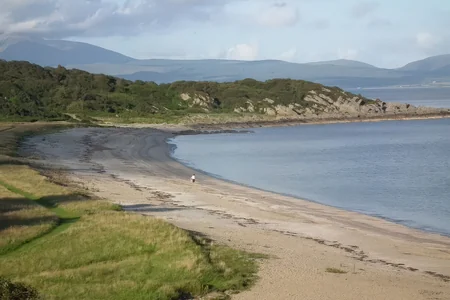
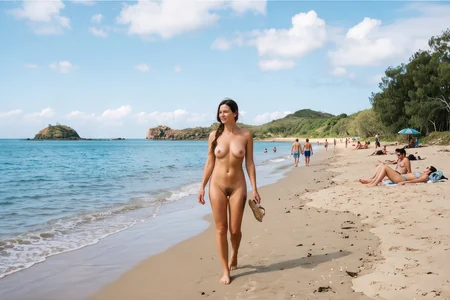
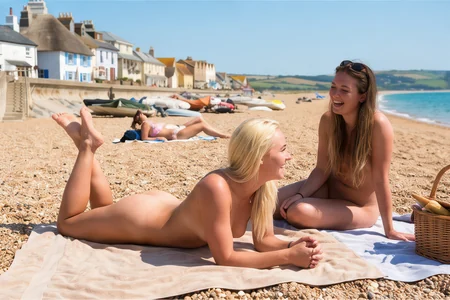
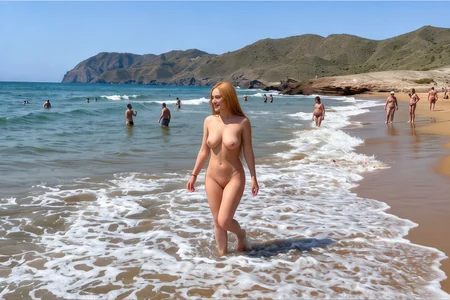
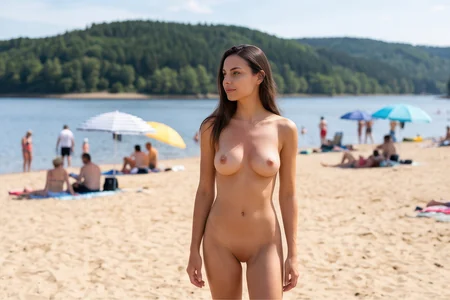
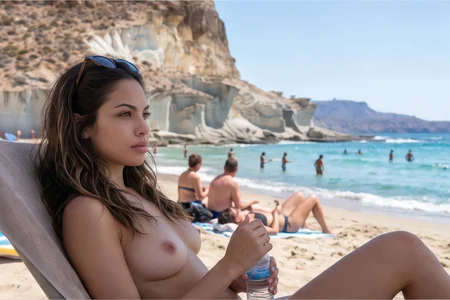
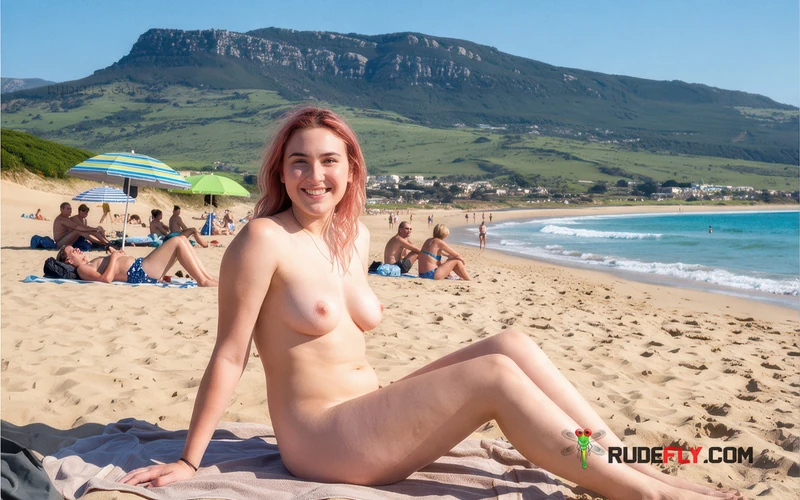
Playa Bolonia near Tarifa is a large sandy beach listed for naturist use in its quieter sections. Naturist practice is reported away from the main access points, while other parts of the beach remain textile. The setting is open and mixed-use, shared by families, couples and individual visitors without formal separation or barriers. Morning conditions are often calmer and less crowded, which can make arrival and settling in easier, while afternoon wind can increase and change comfort on the sand. Visitors should expect high sun exposure with limited shade, seasonal services concentrated near busier areas, and Atlantic water that can be cool with waves and currents that vary through the day.
Visiting the beach
Playa Bolonia is an open public beach without fixed opening hours, so plan around daylight, weather and wind for the time of year. Morning arrival usually offers calmer conditions and easier parking near the village and beach accesses, with less crowding on the sand. Parking areas can become busy in summer and separate charges may apply, so allow extra time during peak periods. Public transport through the Tarifa area is limited and varies by season, so check seasonal schedules carefully before relying on buses for arrival or return. Once on the sand, the beach is long enough to allow spacing, especially away from the central entry points where visitor density is higher. Naturist use is reported as informal tolerance rather than an officially zoned area, generally practiced away from main access points. Because there are no formal barriers, choose a spot with clear distance from textile groups, family concentrations and main paths. The surface is sand, with uneven ground and limited adapted access, which can make walking with heavy supplies slower. There is little natural shade, so bring sun protection, a wind shelter, drinking water, and food for longer stays and greater comfort through the day. Some seasonal beach bars and nearby establishments operate in summer, but quieter sections have few or no services at all. Toilets and showers are limited and mainly linked to seasonal facilities near busier sections. Lifeguard provision, where present, is likely seasonal and concentrated in busier sections rather than along quieter stretches. Atlantic swimming conditions change with wind and weather, with possible waves and currents that require conservative judgment. A half-day to full-day visit is common, depending on supplies, sun and wind. Dog rules may vary by season and municipal regulation, with restrictions more likely in summer.
Getting there
Access: Open foot access along a long sandy shoreline, with quieter sections away from main entry points.
Parking: Parking near village and beach accesses; busy in summer and charges may apply.
Public transport: Limited bus connections through the Tarifa area, with seasonal variation.
Accessibility: Open sand with uneven ground and limited adapted access.
At the beach
Facilities
Seasonal beach bars and limited toilets and showers near busier sections.
Naturist rules
Naturist use at Playa Bolonia is reported as informal tolerance, not an officially separated zone. Because the beach is mixed-use without formal barriers, discretion and awareness of surrounding visitors matter throughout the day. Set up away from main access points, entrances and family concentrations, allowing clear spacing from other groups. Keep spacing respectful and avoid walking unclothed through textile or service areas, including paths and busier central sections. Use a towel on the sand, avoid staring and photography, and keep noise low to maintain a relaxed atmosphere. Cover up when using beach bars, paths or parking areas, and when moving between different sections of the shoreline. If uncertain about local tolerance on a busy day, observe surrounding behavior carefully before undressing and remain ready to adapt.
Visitor overview
Playa Bolonia suits visitors seeking a large, open sandy beach with room to find a quieter spot away from the central accesses. The atmosphere is mixed-use and generally relaxed, with families, couples and individuals sharing the shoreline without formal separation. Naturist visitors use less central sections, where spacing and privacy are easier and encounters with passing groups are less frequent. Expect strong sun with limited shade, wind that can increase in the afternoon, seasonal facilities concentrated near busier areas, and changeable Atlantic water that can be cool with waves and currents. Mornings are often calmer and less crowded, while summer brings higher visitor numbers. The experience is most comfortable for self-sufficient visitors who bring water, shade, food and wind protection for a half-day to full-day stay.
Quick answers
Frequently asked questions
Where is naturist use reported at Playa Bolonia?
Naturist use is reported in less central sections away from the main access points. The beach is mixed-use without formal barriers, so textile use continues elsewhere. Choose a quieter spot with clear spacing from paths and entrances.
Is Playa Bolonia an officially designated naturist beach?
It is listed as a directory claim with informal tolerance rather than an officially zoned naturist beach. Nudity is generally practiced away from busy areas. Visitors should remain discreet and observe local behavior, especially in summer.
What are swimming conditions like?
The beach faces open Atlantic water that can be cool, with waves and currents varying by wind and weather. Conditions may change during the day. Swim conservatively, particularly outside seasonal lifeguard coverage and in windier afternoons.
What facilities are available?
Some seasonal beach bars and nearby establishments operate in summer, with limited toilets and showers near busier sections. Quieter stretches may have none. Carry water, food, sun protection and wind shelter, especially outside peak season.
When is the best time to visit?
Summer is warm and dry but busier, while mornings are often calmer and less crowded. Afternoon wind can increase and affect comfort. A half-day to full-day visit is common, depending on supplies, sun exposure and changing sea conditions.
Community
What visitors say
RUDEFLY SUNSEEKERS
Who’s into this beach?
Meet Sunseekers connected with this beach.
Be the first one to comment!
No comments yet. Be the first!
Send
Keep exploring