Beach articles today 1 / 3
Unlimited with Premium →
≋Beach details
CountrySpain
RegionCatalonia
Naturism statusReported naturist beach
WaterbodySea / ocean
Place typeBeach
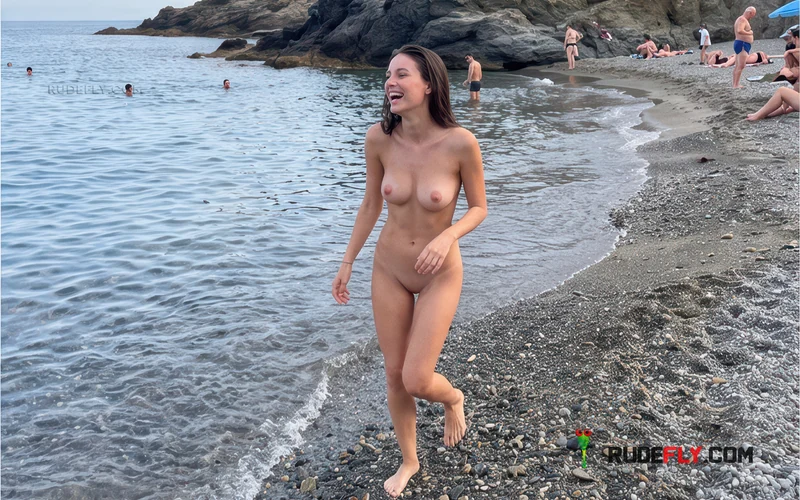
SurfaceRock and small stones with rocky water entry.
Best season06-09
01020304
05060708
09101112
📍 Map & location
DISCOVER MORE
Explore similar beaches
Naturism
Beach characteristics
Overview
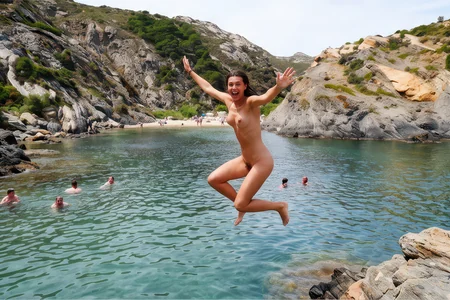
Platja Petita del Futaner is a small rocky cove north of Llançà on the Costa Brava, listed for naturist use though not confirmed as officially designated. The shore mixes rock and small stones with a rocky entry into clear Mediterranean water, set below low cliffs with little shade. There are no toilets, showers, lifeguards, or places to buy food and water, so visits tend to be short and self-sufficient. Access is on foot along coastal paths with an uneven final section, and the setting usually stays quiet. Morning generally brings calmer water and direct sun before possible late-day shade from the surrounding rock.
Visiting the beach
Platja Petita del Futaner is a small sea cove reached on foot via coastal paths from the Llançà shore. The final approach is uneven and rocky, with rock and small stones underfoot and a rocky entry into the water. There is no parking at the cove, no direct public transport, and no gate or fixed opening hours, with daytime use typical. Visitors use parking and services in Llançà and continue on foot, staying on established paths and respecting the natural area. The cove usually stays quiet with very few visitors, even in summer, so short visits of a few hours are typical. There are no facilities, toilets, showers, lifeguard service, or food and drink sales at the beach. Bring water, food, sun protection, and sturdy footwear, and carry everything out, since nothing can be obtained or discarded at the shore itself. The shore is mostly exposed to sun during midday with little natural shade, although surrounding rock can give late-day shade. Morning generally offers calmer water and direct sun for a more comfortable stay on the exposed stones. Clear Mediterranean water varies with wind and swell, and the rocky shore needs care when entering or leaving the sea, especially when conditions change. Summer from June to September is generally warm and drier, while winter is cooler and windier, which can make the exposed coastal walk and rocky shoreline less comfortable. The setting is better suited to independent adults because of difficult access, lack of facilities, and lack of supervision. No admission fee is expected. Dog rules are not confirmed, so follow posted signs and keep animals under control during any visit.
Getting there
Access: Reached on foot via coastal paths from the Llançà shore; final approach is uneven and rocky.
Parking: No parking at the cove; visitors use parking in Llançà and continue on foot.
Public transport: No direct public transport to the cove; travel via Llançà and continue on foot.
Accessibility: Not accessible for wheelchairs or visitors with limited mobility due to uneven paths and rocky shore.
At the beach
Facilities
No facilities, toilets, showers, or lifeguard service.
Naturist rules
Naturism at Platja Petita del Futaner is reported but not confirmed as officially designated, so treat it as a listed rather than designated place. Keep behaviour discreet, give other visitors space, and respect textile walkers on the coastal paths. Accept that use can be mixed on the shore and paths, and that other people may remain clothed. Stay on established paths, take all rubbish away, and avoid loud noise in the quiet setting. Do not reserve large areas, photograph others, or stare, and keep personal items compact on the limited rocky ground. Swim carefully because there is no lifeguard and entry is rocky, and leave the surrounding rock as found.
Visitor overview
Platja Petita del Futaner suits visitors seeking a quiet natural shore without services. Expect rock and small stones, clear Mediterranean water, and an exposed shore with little shade. The cove is usually quiet, with short stays common because there are no toilets, showers, or shops. Access on foot is uneven, and sea conditions change with wind and swell. Morning light and calmer water often make the visit more comfortable. Visitors arrive on foot from Llançà, where parking and supplies are found, and should bring water, food, sun protection, and sturdy footwear. With difficult access, no lifeguard, and no facilities, the cove fits independent adults prepared for a short, self-sufficient stop rather than a full serviced beach day.
Quick answers
Frequently asked questions
Is Platja Petita del Futaner a naturist beach?
It is listed for naturist use, but official designation is not confirmed. Visitors report discreet naturism, so respect others, keep distance, and accept mixed use by walkers and swimmers. Treat it as a listed rather than designated place and keep behaviour discreet in the quiet setting.
What is the surface and water entry like?
The shore is rock and small stones with a rocky entry into clear Mediterranean water. Sturdy footwear helps on the paths and shoreline, and care is needed when waves or wind affect conditions. The final approach is also uneven and rocky, so move slowly and watch footing when entering or leaving the sea.
Are there facilities, lifeguards or shops?
No. There are no toilets, showers, lifeguard service, or food and drink sales at the cove. Bring water and supplies from Llançà, plan a short stay, and carry all rubbish out. There is also no parking at the cove itself, so visits depend on town services and self-sufficient preparation.
How do visitors reach the cove?
Access is on foot via coastal paths from the Llançà shore, with an uneven rocky final section. There is no parking at the cove and no direct public transport, so use town parking and walk.
When is the best time to visit?
Summer from June to September is generally warm and drier. Morning often brings calmer water and direct sun, while surrounding rock can create shade later in the day. Midday is mostly exposed with little natural shade, so bring sun protection and water for a short self-sufficient visit.
Community
What visitors say
RUDEFLY SUNSEEKERS
Who’s into this beach?
Meet Sunseekers connected with this beach.

Be the first one to comment!
No comments yet. Be the first!
Send
Keep exploring