Beach articles today 2 / 3
Unlimited with Premium →
Platja des Caragol
Naturist beach
📍 Balearic Islands, Spain
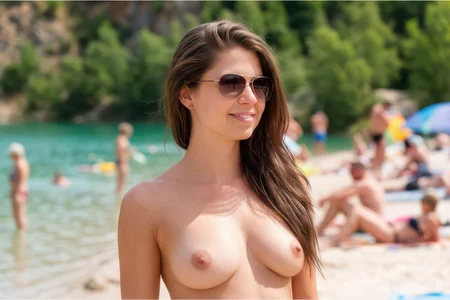
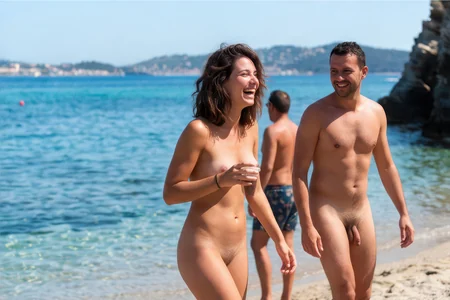
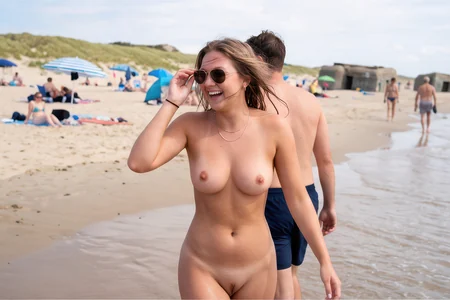
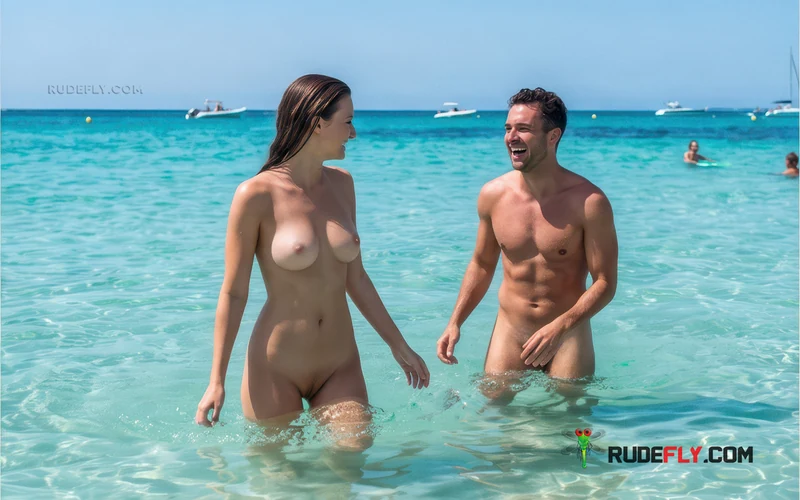
Platja des Caragol is a quiet Mallorca beach known for naturist use, with clear water, sand, no facilities and foot access via natural dune tracks.
≋Beach details
CountrySpain
RegionBalearic Islands
Naturism statusNaturist beach
WaterbodySea / ocean
Place typeBeach
SurfaceSand with some rocky patches
Best season06-09
01020304
05060708
09101112
📍 Map & location
DISCOVER MORE
Explore similar beaches
Location
Naturism
Beach characteristics
Overview
Platja des Caragol is a remote natural beach on Mallorca in the Balearic Islands, listed for naturist use alongside textile visitors. Naturism is commonly practiced here, with space for personal privacy. The beach is reached only on foot via marked sandy tracks through dunes and a natural area, with no vehicle access. There are no shops, bars, toilets, showers or lifeguards, so visitors bring water, food and sun protection and take waste away. The shore is sand with some rocky patches and generally clear water with a sandy bottom near shore. Conditions can turn wavy with onshore winds. Mornings tend to be calmer and quieter, while late spring and early autumn offer milder weather than high summer.
Visiting the beach
Platja des Caragol near Santanyi on Mallorca is an open natural beach with no gates or fixed hours, accessible at any time. Access is on foot only via marked sandy tracks through dunes and a natural area, and vehicles are not permitted on the beach. Park in the designated inland area and allow time for the walk in and out; the soft sand route makes the beach unsuitable for wheelchairs and difficult with small children. There is no direct public transport to the sand, so most visits require independent travel followed by walking. The beach is free with no admission fee. Plan for a typical visit of two to four hours because of the walk and lack of facilities. There are no shops, bars or restaurants, no toilets or showers, no provided shade or umbrellas, and no lifeguard service, so swimming is at your own risk. Bring sufficient water and food, sun protection, and footwear for sand and rocky patches, and take all waste away. The surface is sand with some rocky patches. Water is generally clear with a sandy bottom near shore, but it can be wavy with onshore winds. Morning offers calmer wind and fewer people, while late afternoon is also quieter with softer sun. Hot dry summers bring strong sun and high UV from late spring to early autumn, with very little natural shade. Late spring and early autumn are milder, winter cooler and often windy. Dogs are often restricted on beaches in this area during the main summer season, so check local municipal rules before visiting. The setting is remote and relatively private, with limited help available, so watch belongings and sea conditions.
Getting there
Access: Foot access only via marked sandy tracks through dunes and natural area; vehicles not permitted on the beach
Parking: No beachside parking; park in designated inland area and continue on foot
Public transport: No direct public transport to the beach; access requires walking from road access points
Accessibility: Not wheelchair accessible; soft sand tracks and remote walk with no adapted facilities
At the beach
Facilities
No facilities; no shops, toilets, showers, shade structures or lifeguards
Naturist rules
Naturism is accepted and commonly practiced at Platja des Caragol, while textile use also occurs across the open sand. Choose a spot with good personal space and give others room when arriving, settling and leaving. Do not photograph people, and keep noise low in the quiet natural setting. Respect sunbathers and swimmers sharing the shore when conditions are calm. The beach has no lifeguards, toilets, showers, shops or other services, so leave no waste and take food packaging and all rubbish away. Dogs may be restricted during the main summer season, so check local municipal rules before visiting. Families should note the beach suits adults seeking quiet, as the remote soft-sand walk and lack of facilities can be difficult with small children.
Visitor overview
Platja des Caragol suits adults seeking a quiet natural beach with a low-key atmosphere and relative privacy. Expect low numbers and a free public beach with no admission fee and no fixed hours. The sand shore with some rocky patches and generally clear water with a sandy bottom near shore suits swimming and sunbathing when conditions are calm, though onshore winds can create waves. With no toilets, showers, shops, shade structures or lifeguards and very little natural shade, comfort depends on bringing water, food, sun protection and footwear. Typical visits last two to four hours because of the remote foot access and lack of facilities. Mornings are calmer and quieter.
Quick answers
Frequently asked questions
Is Platja des Caragol a naturist beach?
Platja des Caragol is listed for naturist use, and naturism is accepted and commonly practiced alongside textile use. There is no separate zoned area described, so visitors share the open sand. Choose a spot with personal space, respect others nearby, and do not photograph people in this quiet natural setting.
How do you access Platja des Caragol?
Access is on foot only via marked sandy tracks through dunes and a natural area, with vehicles not permitted on the beach. Park in the designated inland area and allow time for the soft-sand walk in and out. There is no direct public transport to the sand, and the route is unsuitable for wheelchairs and difficult with small children, so wear footwear for sand.
Are there facilities at Platja des Caragol?
There are no shops, bars, restaurants, toilets, showers, shade structures, umbrellas or lifeguards at Platja des Caragol. The beach is free with no admission fee and no fixed hours. Bring sufficient water, food and sun protection, wear footwear for sand and rocky patches, take all waste away, and swim at your own risk.
What is the water like for swimming?
Water is generally clear with a sandy bottom near shore, which suits swimming and sunbathing when conditions are calm. Some rocky patches require care, and onshore winds can create waves. There is no lifeguard service, so swimming is at your own risk. Check sea conditions on arrival and swim cautiously.
When is the best time to visit?
June to September offers the warmest beach weather, with hot dry summers and strong sun and high UV from late spring to early autumn. Morning tends to have calmer wind and fewer people, while late afternoon is quieter with softer sun. Late spring and early autumn are milder and quieter than high summer, with very little natural shade.
Community
What visitors say
RUDEFLY SUNSEEKERS
Who’s into this beach?
Meet Sunseekers connected with this beach.

Be the first one to comment!
No comments yet. Be the first!
Send
Keep exploring