Beach articles today 3 / 3
Unlimited with Premium →
≋Beach details
CountrySpain
RegionCatalonia
Naturism statusNaturist beach
WaterbodySea / ocean
Place typeBeach
SurfacePebbles and rock with rocky shoreline areas.
Best season06-09
01020304
05060708
09101112
📍 Map & location
DISCOVER MORE
Explore similar beaches
Naturism
Beach characteristics
Overview
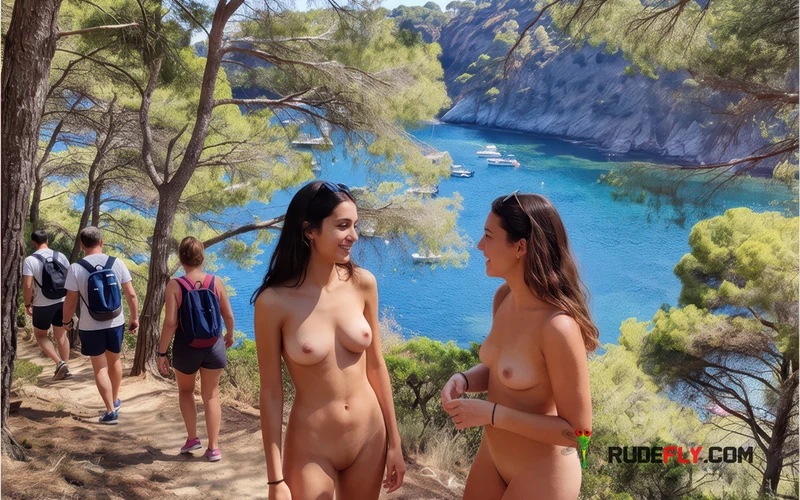
Platja de la Rostella is a natural beach near Roses, Catalonia, listed for naturist use. Naturism is accepted across the cove, while some textile use also occurs. The shore has pebbles and rock, with generally clear sea water and a rocky entry that needs careful footing. There are no facilities, shops, toilets or showers, and swimming is unsupervised, so visits need self-sufficient planning. Access is on foot over uneven coastal ground, which keeps visitor numbers low. Late spring to early autumn brings the warmest conditions for swimming and sunbathing, with mornings often calmer and afternoons sometimes breezier.
Visiting the beach
Platja de la Rostella suits visitors who are comfortable with simple conditions and naturism. Plan for a self-sufficient stay of a few hours. Bring drinking water, food, sun protection, sturdy footwear and a bag for all rubbish, because there is no food service, drinking supply or waste collection at the cove. A light shelter can help because natural shade is limited and sun exposure is open through the middle of the day, especially during warm summer weather. Access is by coastal path with uneven and rocky sections, followed by a pebbly and rocky shore. The final approach needs steady footing and careful balance, and the beach is not wheelchair accessible because trails and shore lack adapted facilities. There is no parking at the cove itself, and there is no direct public transport to the shore. Nearest transport services are in Roses, from where the final section is on foot along the coast. Boat arrival may be possible in suitable sea conditions, depending on wind and waves. The beach has no admission fee and no published opening hours; daylight visits are the practical pattern for safety and access. Swimming is unsupervised with no lifeguard service. Water entry is rocky and pebbly, and conditions vary with wind and waves. Mornings are generally calmer for swimming and sunbathing, while summer afternoons can feel warmer and breezier. Check sea movement before entering and avoid exposed rocks in rough water. The setting is generally quiet, although more people may be present in summer. Mobile help nearby is limited, so keep supplies, medication and communication within reach throughout the visit.
Getting there
Access: Reached on foot by coastal path with uneven rocky sections; boat arrival is possible in suitable sea conditions.
Parking: No parking at the cove itself; arrival is on foot.
Public transport: No direct public transport to the cove; nearest transport services are in Roses.
Accessibility: Not wheelchair accessible; uneven trails and rocky shore without adapted facilities.
At the beach
Facilities
No facilities; natural beach without shops, rentals, toilets or showers.
Naturist rules
Naturism is accepted throughout the cove, with textile use also present. Choose a spot that gives neighbours comfortable space and avoid walking close past occupied areas. Keep behaviour discreet and non-sexual, and avoid staring or unwanted photography. Ask before taking photos that could include other people, and keep phones put away near occupied spots. Use a towel or mat on the pebbles and rock for comfort and hygiene. Take all rubbish away and avoid disturbing plants, stones and shoreline areas. Keep noise low because sound carries in a quiet cove. If uncertain about local expectations, follow the discreet example of longer-stay visitors and give others extra room.
Visitor overview
Platja de la Rostella is a quiet natural beach for adults comfortable with naturism and uneven terrain. Expect pebbles, rock, open sun and clear sea water with a rocky entry that requires careful footing. There are no toilets, showers, food outlets, rentals or lifeguards, so bring water, food, sun protection and a bag for rubbish. Visits usually last a few hours and depend on carried supplies and weather, with mornings often calmer. Access on foot over uneven ground and limited comfort make it less suitable for children or visitors needing step-free conditions. Summer may bring more people, but the cove generally stays low-key.
Quick answers
Frequently asked questions
Is Platja de la Rostella a naturist beach?
Platja de la Rostella is listed for naturist use and naturism is accepted throughout the cove. Textile use also occurs, so discreet behaviour and respect for other beach users are expected at all times during your visit.
How do I get to Platja de la Rostella?
The cove is reached on foot by an uneven coastal path with rocky sections. There is no parking at the beach and no direct public transport. Nearest transport services are in Roses, followed by walking.
Are there facilities at Platja de la Rostella?
No. There are no shops, food outlets, toilets, showers, rentals or lifeguards at the cove. Bring water, food, sun protection, suitable footwear and a bag to carry out all rubbish. Plan for a self-sufficient visit and do not expect drinking supply or waste collection.
What is the beach surface and sea entry like?
The shore has pebbles and rock, with a rocky and pebbly water entry that needs steady footing. The sea is generally clear, but wind and waves can change conditions quickly. Check the water before swimming and avoid exposed rocks when the sea is rough.
When is the best time to visit Platja de la Rostella?
June to September is generally warmest for swimming and sunbathing at the cove. Mornings are often calmer, while summer afternoons can be warmer and breezier for sunbathing. Winter is cooler and less suitable for beach use, so daylight visits in the warmer months remain the practical pattern.
Community
What visitors say
RUDEFLY SUNSEEKERS
Who’s into this beach?
Meet Sunseekers connected with this beach.

Be the first one to comment!
No comments yet. Be the first!
Send
Keep exploring