Beach articles today 3 / 3
Unlimited with Premium →
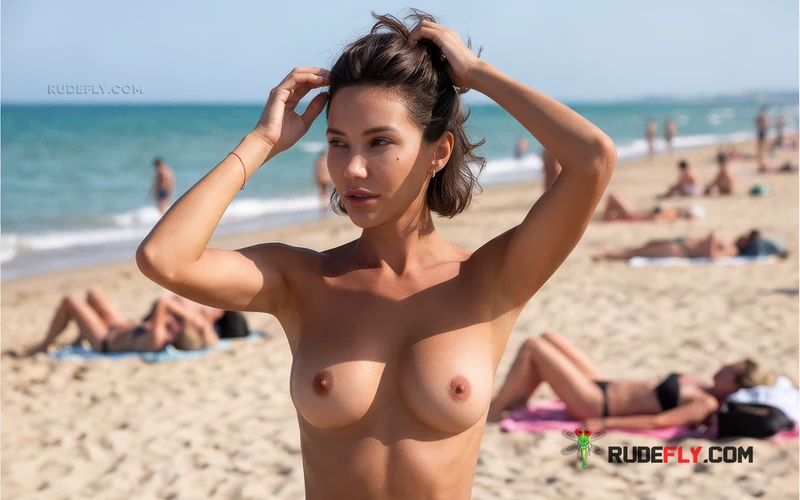
Platja de la Devesa del Saler
Reported naturist beach
📍 Valencian Community, Spain
Platja de la Devesa del Saler is a natural sand beach near Valencia, reported for naturist use on quieter sections. Plan access, facilities and sea conditions.
≋Beach details
CountrySpain
RegionValencian Community
Naturism statusReported naturist beach
WaterbodySea / ocean
Place typeBeach
Surfacesand
Best season06-09
01020304
05060708
09101112
📍 Map & location
DISCOVER MORE
Explore similar beaches
Location
Naturism
Beach characteristics
Overview
Platja de la Devesa del Saler is a long sand beach near Valencia reported for naturist use on its quieter, more remote sections. The shoreline sits inside a protected natural park, with dunes and pine forest behind the sand and open Mediterranean water in front. Textile use is also common, so the atmosphere is mixed rather than exclusively naturist. Visits work best from June to September, when the sea is warmest and days are long. Morning and late afternoon bring milder heat, while midday sun is strong. Bring water, food and sun shelter because services are very limited.
Visiting the beach
Platja de la Devesa del Saler is a wide sand beach south of Valencia with open Mediterranean water and a sandy bottom. Sea conditions range from calm to moderate waves and currents depending on wind, so check the water before swimming and stay very cautious on windy days. The sand is exposed with high sun levels from late spring to early autumn, and there is little natural shade on the beach itself. Pine forest stands behind the dunes, but it does not shade the shore. Access is on foot by marked paths across the dunes from parking areas set back from the sand. Stay on the marked routes and respect protected vegetation and signs. The walk, soft sand and limited adapted facilities make access difficult for wheelchairs and strollers. Parking is near the main access points and can fill during summer. Public transport from Valencia is limited and varies by season, so confirm current schedules before relying on it. There is no admission fee and no gates or fixed hours, although natural park rules apply. Facilities are very limited, with toilets and showers, where present, concentrated near main parking areas and operating seasonally. Lifeguard coverage is seasonal and covers only certain sections, leaving long stretches unsupervised. Food and drink options are sparse along most of the beach, with only occasional seasonal kiosks near main accesses. A typical stay lasts half a day, combining walking, swimming and rest. Dogs are generally restricted, especially in high season, with local signage controlling exceptions.
Getting there
Access: Reached on foot by marked paths across dunes from parking areas behind the beach
Parking: Parking is located inland from the sand near main access points and can fill in summer
Public transport: Limited public transport from Valencia with seasonal variation; check current schedules
Accessibility: Limited accessibility because of soft sand and dune paths; few adapted facilities
At the beach
Facilities
Very limited facilities, concentrated near main access points and seasonal
Naturist rules
Naturism is tolerated mainly on remote sections away from the main entrances, while textile use remains common elsewhere. Walk to a quieter spot before undressing and choose a place with clear space from other groups, keeping noise low through the day. Respect other beach users, including families and textile bathers, and avoid staring or photographing people in any circumstance. Keep swimwear handy for walks back to parking areas or busier sections. Stay on marked dune paths when arriving or leaving, and do not enter protected vegetation to find privacy. Take all rubbish away with you because bins and services are limited along the shore.
Visitor overview
This beach suits visitors seeking a natural, low-service sand beach with room to spread out and rest between swims. The setting is open and quiet, particularly away from the main accesses, with dunes and pine forest behind the shore and wide views over the Mediterranean. Conditions remain simple along most of the sand, so carry supplies, use sun protection, and expect seasonal lifeguards, toilets and kiosks only near selected points. Families visit, but the dune walk, open sea and limited facilities require extra planning. Allow time for the walk in soft sand and heat, especially with children, extra gear and midday sun.
Quick answers
Frequently asked questions
Is Platja de la Devesa del Saler a naturist beach?
It is listed for naturist use rather than designated as an official naturist beach. Naturism is tolerated on more remote sections away from main entrances, while textile use is also common. Choose a quieter area and respect others.
What is the surface and water like?
The beach has a wide sandy surface with dunes behind. The water is open Mediterranean over a sandy bottom. It can be calm or develop moderate waves and currents with wind, so assess conditions before swimming.
Are there toilets, showers or food available?
Services are very limited and seasonal. Toilets and showers, where available, are mainly near parking areas. Food and drink are sparse, with only occasional kiosks near main accesses. Always bring water, food and sun shelter.
How do visitors reach the sand?
Visitors walk from parking areas behind the beach on marked paths across the dunes. Stay on signed routes and respect protected vegetation. The soft sand and dune crossings still limit accessibility for wheelchairs and strollers.
When is the best time to visit?
June to September offers the warmest sea and longest beach days. Morning and late afternoon have milder heat and softer light. Midday summer sun is very strong, so always bring shade, sunscreen and extra water.
Community
What visitors say
RUDEFLY SUNSEEKERS
Who’s into this beach?
Meet Sunseekers connected with this beach.
Be the first one to comment!
No comments yet. Be the first!
Send
Keep exploring