Beach articles today 1 / 3
Unlimited with Premium →
≋Beach details
CountrySpain
RegionCatalonia
Naturism statusNaturist beach
WaterbodySea / ocean
Place typeBeach
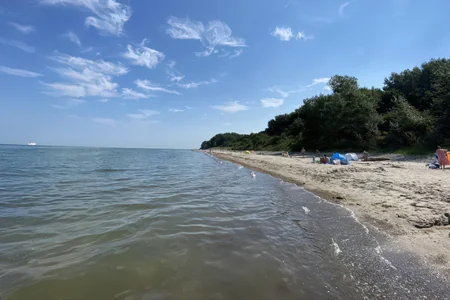
SurfaceSoft golden sand on central beach with rocky areas toward the right-hand end
Best season06-09
01020304
05060708
09101112
📍 Map & location
DISCOVER MORE
Explore similar beaches
Overview
Platja de Castell near Palamós is reported for optional naturist use at the rocky area on the right-hand side facing the sea, while the central sandy beach stays textile and family-oriented. The beach lies just north of Palamós on the Costa Brava in a sheltered bay framed by pine trees and low-rise buildings. The main shore has soft golden sand with a gentle slope and generally calm, shallow water suited to swimming. Facilities reported nearby include toilets, seasonal lifeguard coverage on the main beach, and restaurants behind the sand. The naturist spot beyond the rocks is small, with mixed sand and rock and visual separation from the central beach. Access is direct from nearby roads and paths, with parking close by that fills quickly in peak season.
Visiting the beach
Platja de Castell sits just north of Palamós on the Costa Brava in a sheltered bay surrounded by pine trees. The central beach is a wide stretch of soft golden sand with shallow water and a gentle slope, which suits swimming and long stays on the sand. The reported naturist area is at the right-hand end when facing the sea, beside and beyond a rocky outcrop. That section is smaller, with a small area of sand mixed with rock, and is visually separated from the main beach. Textile use remains normal on the central sand. By car, drive toward Palamós and follow signs for La Fosca beach, then use nearby parking. Parking can fill quickly in peak season, so weekday mornings or later afternoons are generally calmer for arrival and for finding space. By public transport, take a bus to Palamós and continue on foot or by short taxi ride toward La Fosca. On foot, coastal paths and local roads from Palamós give a straightforward walk with views along the way. From the main beach, the naturist area is reached by following the shoreline westward to the rocks, then climbing over in shoes or swimming a very short distance past them. Wear water shoes because the rocks are uneven and can be slippery. There is no formal entry control and no admission fee reported for beach access. Toilets are reported available near the beach, and restaurants are located just behind the sand. Freshwater showers have been reported as removed, so bring drinking water and rinse water. Lifeguards are reported in summer on the main beach, with no coverage indicated beyond the rocks. Half-day to full-day visits are common for swimming, sunbathing and meals nearby, while shorter stops suit the small naturist section.
Getting there
Access: Direct access from nearby roads and coastal paths; naturist area reached past rocky outcrop by short climb or swim
Parking: Parking available nearby; fills quickly during peak season and weekends
Public transport: Bus service to Palamós, then short walk or taxi ride toward La Fosca and the beach
At the beach
Facilities
Toilets reported available, seasonal lifeguards on main beach, restaurants nearby; freshwater showers reported removed
Naturist rules
Nudity at Platja de Castell is reported as optional and unofficial, concentrated at the rocky right-hand end when facing the sea, so keep the textile central beach in mind when choosing where to undress. Remain dressed while crossing the main sand and set up only beyond the rocks where naturist use is associated, and avoid walking nude through the central family beach on arrival or departure. Give others space because the naturist section is small, keep noise low, and allow clear distance between towels where room permits. Do not take photographs of other people and keep phone use discreet. Take all rubbish away with you, leave rock surfaces as found, and bring own rinse water since freshwater showers are reported as removed.
Visitor overview
Platja de Castell combines a broad sandy family beach with a small, rock-separated area listed for naturist use at the right-hand end facing the sea. Expect soft golden sand, generally calm shallow water with a gentle slope in the centre, and mixed sand and rock at the naturist end. Summer brings reported lifeguard coverage on the main beach, toilets reported nearby, and restaurants behind the sand, alongside larger crowds at midday in peak season. The rocks give visual separation from the central sand but require careful footing because surfaces are uneven and can be slippery. Parking nearby fills quickly in peak season, so weekday mornings or later afternoons are generally calmer. Bring sun protection, water shoes, and rinse water since freshwater showers are reported as removed.
Quick answers
Frequently asked questions
Where is naturist use reported at Platja de Castell?
Naturist use is reported at the right-hand rocky end when facing the sea, beside and beyond the rocks. The central sandy beach remains mainly textile and family-oriented, with visual separation provided by the rocky outcrop.
What is the surface and water entry like?
The central beach has soft golden sand with shallow water and a gentle slope. The naturist section is smaller with mixed sand and rock. Water shoes are useful because rocks can be uneven and slippery, especially when entering the water.
How do visitors reach the beach?
The beach is reached from nearby roads and coastal paths near Palamós, with routes toward La Fosca. Visitors arrive by car with nearby parking, by bus to Palamós followed by walking or a short taxi ride, or on foot along coastal paths.
What facilities are available nearby?
Toilets are reported available near the beach and restaurants are located just behind the sand. Lifeguards are reported in summer on the main beach. Freshwater showers have been reported as removed, so visitors should bring drinking and rinse water.
When is a calmer time to visit?
Weekday mornings and later afternoons are generally calmer, with less demand for parking and space. Midday in peak season brings more families and higher use of the central sand, while summer offers the warmest conditions and seasonal services.
Community
What visitors say
RUDEFLY SUNSEEKERS
Who’s into this beach?
Meet Sunseekers connected with this beach.

Be the first one to comment!
No comments yet. Be the first!
Send
Keep exploring