Beach articles today 3 / 3
Unlimited with Premium →
Plage naturiste de Saint-Selon
Naturist beach
📍 Provence-Alpes-Côte d'Azur, France
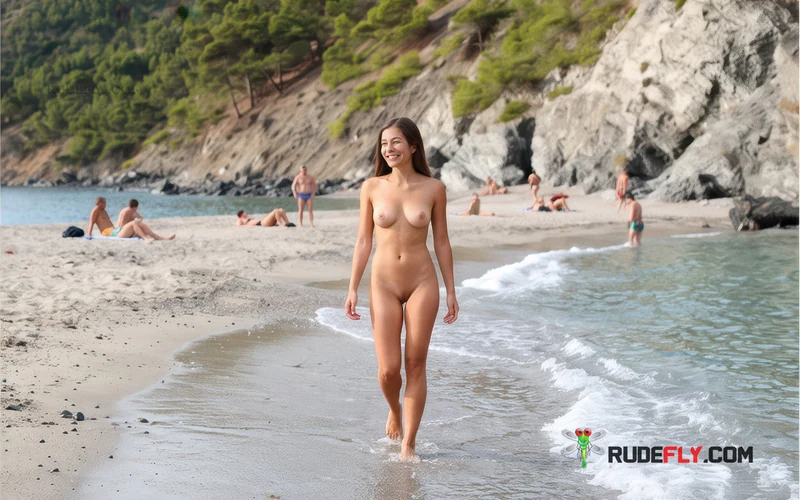
Plage naturiste de Saint-Selon near La Seyne-sur-Mer is listed for naturist use on a natural Mediterranean shore with no services and calm summer water.
≋Beach details
CountryFrance
RegionProvence-Alpes-Côte d'Azur
Naturism statusNaturist beach
WaterbodySea / ocean
Place typeBeach
SurfaceMixed natural rock and pebbles
Best season06-09
01020304
05060708
09101112
📍 Map & location
DISCOVER MORE
Explore similar beaches
Location
Naturism
Beach characteristics
Overview
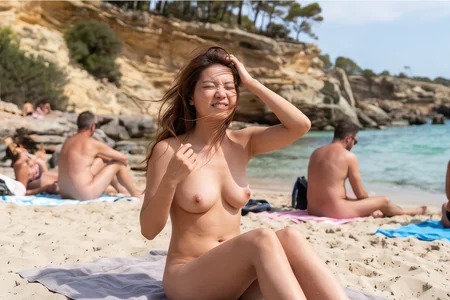
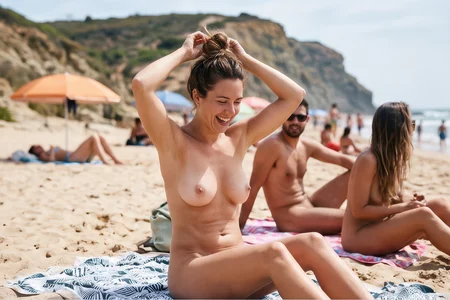
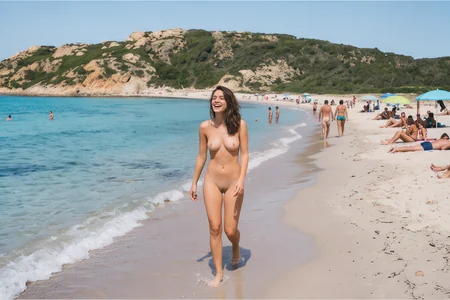
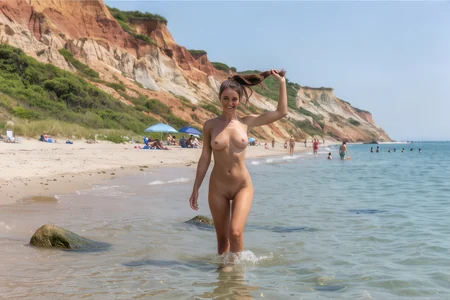
Plage naturiste de Saint-Selon is listed for naturist use near La Seyne-sur-Mer in the Var department of Provence-Alpes-Cote d'Azur. The listing describes a natural Mediterranean shore with a mixed rock and pebble surface and rocky entry to the water in places. There are no facilities, toilets, showers, food services, or lifeguard supervision indicated for this shore. The setting is openly exposed with little natural shade and high sun exposure during clear summer weather. Visits often last a few hours and suit self-sufficient visitors who bring water, food, sun protection, and footwear suitable for rock and pebbles. Warmest and driest conditions generally occur from June to September, while the beach is generally quiet with low visitor numbers reported.
Visiting the beach
Plage naturiste de Saint-Selon lies near La Seyne-sur-Mer in the Var, within Provence-Alpes-Cote d'Azur on the Mediterranean Sea. The shore has a mixed natural surface of rock and pebbles, and entry to the water can be rocky in places, so footwear suitable for rock and pebbles is generally useful. Summer water is generally calm, while little natural shade is available and most areas are openly exposed with high sun exposure. Access is informal with no controlled entry indicated and no fixed opening hours indicated, and visitors arrive and leave according to daylight and personal plans. Expect natural, uneven ground on foot, which may be difficult for visitors with reduced mobility because no adapted facilities are indicated. There is no dedicated parking indicated, so visitors use available parking in the surrounding area and reach the shore on foot over natural coastal ground with uneven sections. No direct public transport connection is indicated for the immediate shore. There is no entry fee indicated. The setting has no facilities indicated, including no toilets, no showers, no food or drink services, and no lifeguard service indicated. Visitors generally bring water, food, sun protection, and footwear suitable for rock and pebbles, and take all belongings and waste away because no services are available. Morning and late afternoon offer milder sun exposure than midday, while warmest and driest conditions generally occur from June to September. The beach is generally quiet with low visitor numbers, and visits often last a few hours because of the lack of services. The secluded natural setting has limited supervision, so basic caution is advised in and near the water and on uneven rock. There is no dog policy indicated.
Getting there
Access: Informal foot access via natural coastal ground with uneven sections
Parking: No dedicated parking indicated; use available parking in the surrounding area
Public transport: No direct public transport indicated
Accessibility: Natural uneven terrain with limited accessibility and no adapted facilities indicated
At the beach
Facilities
No facilities indicated
Naturist rules
Naturism is accepted at Plage naturiste de Saint-Selon, which is listed and reported as associated with naturist use, with discretion and respect for others expected. Give other visitors space on the mixed rock and pebble surface and keep noise low in the quiet, secluded setting with low visitor numbers. No lifeguard, toilet, shower, food, or other services are indicated, so arrive prepared with water, sun protection, and suitable footwear and take all belongings and waste away. Avoid blocking narrow access areas and natural foot passages over uneven ground. Photography of others is inappropriate without clear agreement. Textile visitors passing nearby should be treated with the same consideration, and naturists should also remain discreet toward others using the surrounding coast.
Visitor overview
Plage naturiste de Saint-Selon offers a quiet, natural Mediterranean beach experience near La Seyne-sur-Mer in the Var. The mixed rock and pebble shore and rocky water entry in places suit visitors comfortable with natural, uneven terrain and open sun exposure with little natural shade. With no toilets, showers, food, drink, or lifeguards indicated, the beach suits self-sufficient visits of a few hours with water, food, sun protection, and suitable footwear. Low visitor numbers support a calm atmosphere with generally quiet conditions. Informal access with no controlled entry or fixed hours indicated allows flexible timing in daylight. June to September generally brings the warmest and driest conditions for swimming and sunbathing, while morning and late afternoon offer milder sun.
Quick answers
Frequently asked questions
Where is Plage naturiste de Saint-Selon?
It is a beach near La Seyne-sur-Mer in the Var department of Provence-Alpes-Cote d'Azur, France, on the Mediterranean coast. It is listed for naturist use in a natural setting with mixed rock and pebbles. No facilities or lifeguard supervision are indicated, so visitors generally arrive self-sufficient for a short stay.
Is Plage naturiste de Saint-Selon officially designated for naturism?
It is listed and reported as associated with naturist use, with naturism accepted on the natural shore. No official designation details are supplied, so the status should not be treated as formally designated. Visitors should act with discretion, give others space, and respect textile visitors nearby.
Are there facilities at Saint-Selon naturist beach?
No facilities are indicated at the beach. There are no toilets, showers, food or drink services, or lifeguard supervision indicated. Little natural shade is available, so visitors generally bring water, food, sun protection, and footwear suitable for rock and pebbles and take all waste away.
What is the beach surface and water like?
The surface is mixed natural rock and pebbles, with rocky entry to the water in places and natural uneven ground underfoot. The Mediterranean water is generally calm in summer and suits careful entry. Little natural shade is available, sun exposure is high, and suitable footwear and sun protection are generally useful.
When is the best time to visit?
Warmest and driest conditions generally occur from June to September, which suits swimming and sunbathing with high sun exposure. Morning and late afternoon offer milder sun exposure than midday. The beach is generally quiet with low visitor numbers, and visits often last a few hours because no services are indicated.
Community
What visitors say
RUDEFLY SUNSEEKERS
Who’s into this beach?
Meet Sunseekers connected with this beach.
Be the first one to comment!
No comments yet. Be the first!
Send
Keep exploring