Beach articles today 1 / 3
Unlimited with Premium →
Plage du Domaine de Marquenterre
Naturist beach
📍 Hauts-de-France, France
Plage du Domaine de Marquenterre naturist beach guide: quiet Somme sand, tolerated naturist sections, access, facilities and summer conditions.
≋Beach details
CountryFrance
RegionHauts-de-France
Naturism statusNaturist beach
WaterbodySea / ocean
Place typeBeach
SurfaceWide sandy beach backed by dunes.
Best season06-09
01020304
05060708
09101112
📍 Map & location
DISCOVER MORE
Explore similar beaches
Location
Naturism
Beach characteristics
Overview
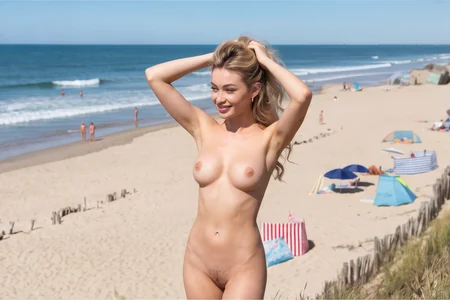
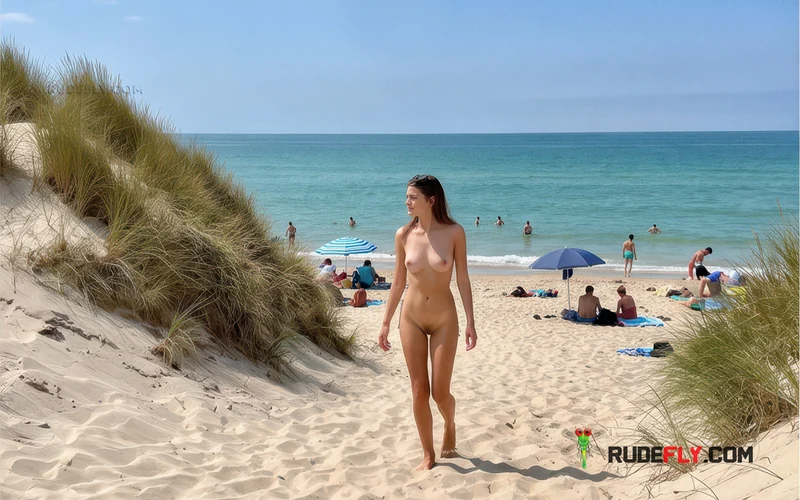
Plage du Domaine de Marquenterre is a wide sandy beach on the Somme coast in Hauts-de-France, reported for naturist use in established sections. Naturism is tolerated alongside swimwear, so discretion is expected around other beach users. The shoreline sits within a managed natural area, with open sand, dunes and little shade or shelter. Access is on foot via marked dune paths and designated entry points, which keeps visitor numbers low and the setting quiet. There are no toilets, showers, food services or assured lifeguards at the beach itself. Summer from June to September brings the most practical conditions, with midday and early afternoon warmest, and most visits are short to half-day stays.
Visiting the beach
Plage du Domaine de Marquenterre is a wide sandy beach backed by dunes on the Somme shoreline, reached on foot via marked dune paths and designated beach access points. Visitors should expect a walk over sand from designated inland parking areas, and should stay on marked paths because managed natural-area rules may apply. Public transport access is limited, so most visitors arrive by car and plan around daylight and seasonal weather. The beach itself has no reliable toilets, showers, food or drink services, and no assured lifeguard presence, so each visit needs to be fully self-sufficient from arrival to departure. Bring water, food, sun protection, warm layers for wind, and everything needed for comfort through changing coastal conditions. The surface is open sand with little or no natural shade or constructed shelter, and sun exposure can be strong in summer despite sea breezes. Swimming is generally unsupervised, with seasonal sea conditions, variable temperature, wind and currents that call for conservative judgment about entering the water. Summer from June to September is the most practical season, with midday and early afternoon offering warmer conditions, while mornings and evenings are quieter and often cooler. Cooler months are windy and less suitable for beach use, particularly for spending extended time on open sand. Visitor numbers are generally low, so space is usually available, but facilities remain limited year-round and quiet conditions should not be mistaken for serviced beach infrastructure. Dogs may be restricted, especially in managed natural areas and during the busy season, so checking local guidance before bringing animals is sensible. Short to half-day visits are typical because supplies and services must be carried in and out, and carrying waste away keeps the shoreline clean for others.
Getting there
Access: Reached on foot via marked dune paths and designated beach access points; a long walk over sand should be expected.
Parking: Parking in designated inland areas, followed by a walk through dunes to the shoreline.
Public transport: Public transport access is limited; most visitors arrive by car.
Accessibility: Limited accessibility with soft sand and dune paths; not suitable for wheelchairs or visitors with reduced mobility.
At the beach
Facilities
No toilets, showers, lifeguards or food services at the beach itself.
Naturist rules
Naturism is tolerated in established naturist sections at Plage du Domaine de Marquenterre, with swimwear also present along the shore. Set up with space from others, keep noise low, and avoid staring or unwanted photography of any kind. Discretion is expected where textile and naturist users mix, particularly near access paths and busier stretches of sand. Stay on marked paths, use designated access points, and respect managed natural-area rules that may apply to dunes and surrounding habitat. Take all supplies and waste away, as there are no reliable beach services for disposal or cleanup. Because swimming is unsupervised and conditions vary, swim conservatively and watch wind and currents, remaining within comfortable depth. Keeping the setting quiet and tidy helps preserve tolerated use for future visits.
Visitor overview
Plage du Domaine de Marquenterre suits visitors seeking a quiet, natural sandy beach with tolerated naturist sections and low crowds. The open shoreline, dunes and sea exposure give a simple coastal experience without services, where self-sufficiency shapes the whole visit. Conditions are most practical from June to September, especially midday and early afternoon when temperatures are generally warmer. Families need to be self-sufficient and prepared for walking, wind and limited facilities, including carrying food, water and sun protection. Most people come for short to half-day stays, bringing supplies in and taking waste away afterward. The long walk in, open sand and changing weather make it better suited to visitors comfortable with basic, unsupervised beach conditions.
Quick answers
Frequently asked questions
Is Plage du Domaine de Marquenterre a naturist beach?
The beach is reported for naturist use in established sections, where naturism is tolerated. Swimwear is also present along the shore, so discretion is expected and visitors should respect other beach users. Keeping distance from others helps mixed use remain comfortable.
How do I access the beach?
Access is on foot via marked dune paths and designated beach entry points. Expect a walk over sand from designated inland parking. Stay on marked paths because managed natural-area rules may apply. The route can feel long in soft sand, so allow extra time.
Are there toilets, showers or food services?
No reliable toilets, showers or food and drink services are reported at the beach itself. Visitors generally bring water, food and supplies, and short to half-day visits are typical. Planning as a self-sufficient trip avoids difficulty during the stay.
When is the best time to visit?
Summer from June to September is the most practical season for beach use. Midday and early afternoon offer warmer conditions, while mornings and evenings are quieter. Cooler months are windy and less suitable. Daylight and calmer warmth make summer visits easier to plan.
Is swimming supervised?
No assured lifeguard presence is reported, and swimming is generally unsupervised. Sea temperature, wind and currents vary by season, so caution is needed and summer is generally most suitable. Swimming conservatively and staying within comfortable depth is advisable.
Community
What visitors say
RUDEFLY SUNSEEKERS
Who’s into this beach?
Meet Sunseekers connected with this beach.

Be the first one to comment!
No comments yet. Be the first!
Send
Keep exploring