Beach articles today 1 / 3
Unlimited with Premium →
Piscina Natural Coloseo
Reported naturist beach
📍 Canary Islands, Spain
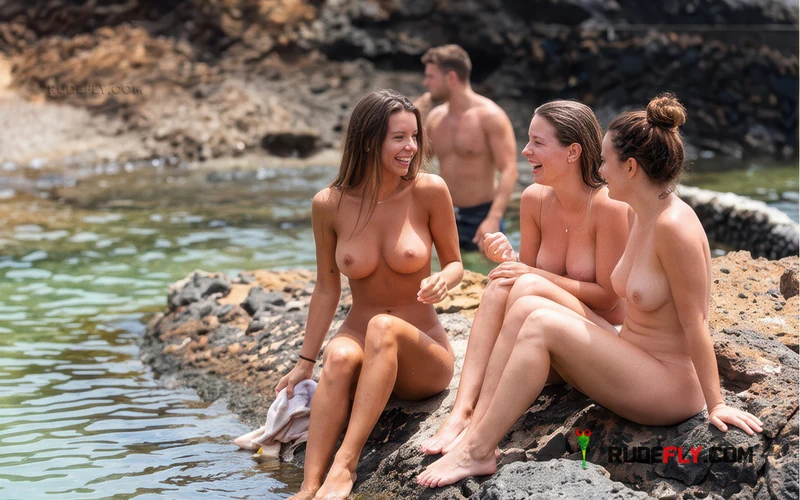
Piscina Natural Coloseo near Haria is listed for naturist use. Plan a quiet rock-pool swim with no facilities, high sun and variable Atlantic swell.
≋Beach details
CountrySpain
RegionCanary Islands
Naturism statusReported naturist beach
WaterbodySea / ocean
Place typePool
Surfacevolcanic rock
Best season05-10
01020304
05060708
09101112
📍 Map & location
DISCOVER MORE
Explore similar beaches
Location
Naturism
Beach characteristics
Overview
Piscina Natural Coloseo is a volcanic rock pool on the open coast near Haría, in Las Palmas, Canary Islands, reported as a place associated with naturist use. Its directory status remains a directory claim, with no posted naturism rules documented, so discretion and respect for others are essential. The setting consists of clear Atlantic seawater held in natural basins, calm at low swell but rough when swell, tide or wind increase. There are no toilets, showers, lifeguards, food outlets or constructed shelter, and sun exposure is high on open rock. Access is informal over uneven volcanic surfaces, with minimal shade and limited privacy. Late spring to early autumn is generally warmer and more settled for short daytime visits.
Visiting the beach
Piscina Natural Coloseo is an open coastal natural pool near Haría, in Las Palmas, Canary Islands. The bathing water is clear Atlantic seawater contained in volcanic rock basins formed along the exposed shoreline. Conditions depend closely on swell, tide and wind across the open Atlantic. At low swell the basins can be calm enough for swimming, while high swell makes entry rough and hazardous with sudden wash over the rock edge. Always assess the sea state carefully in daylight before approaching the water edge and stay back if waves are breaking nearby. Access is informal on foot over uneven volcanic rock without marked paths or steps. The surface is hard, irregular and slippery when wet, so sturdy footwear, careful footing and slow movement are important for safety and visibility. Midday offers the strongest sun for warmth, but high exposure and minimal natural shade require sun protection, a hat and drinking water even for short stays. There are no toilets, showers, lifeguards, constructed shelter, or food and drink outlets documented at the site. Visitors need to bring water and supplies and carry everything out again. Plan for short visits of one to two hours, longer only in calm warm conditions when the sea remains settled. No dedicated parking and no direct public transport are documented, so access likely requires a private vehicle or taxi from the Haría area, using roadside areas where permitted and respecting local signs and property boundaries. Late spring to early autumn is generally warmer and more settled, while winter can be cooler, windier with rougher seas and shorter daylight. Treat the coast as open public access shared with others, follow any local signs, and leave no waste behind. Families should note uneven rocks, variable sea conditions and lack of supervision and facilities, keeping children well away from the outer edge.
Getting there
Access: Informal open coastal access on foot over uneven volcanic rock; sturdy footwear needed for visibility and slippery surfaces.
Parking: No dedicated parking documented; use nearby roadside areas where permitted without blocking access.
Public transport: No direct public transport documented; access likely requires private vehicle or taxi from Haria area.
Accessibility: No step-free access documented; uneven rocks and lack of facilities make access unsuitable for limited mobility.
At the beach
Facilities
No toilets, showers, lifeguards, shade structures, or food and drink outlets documented.
Naturist rules
Naturist use at Piscina Natural Coloseo is a directory claim only, with no posted naturism rules documented and no indication of formal designation. Behaviour should remain discreet and considerate in this open rock setting with limited privacy and open views along the coast. Keep generous distance from others, avoid staring and photography, and keep noise low to preserve the quiet character. Textile visitors may also use the coast, so do not assume exclusive naturist use at any time. Dress or cover when others pass close by or when families are nearby. Take all litter away, as no toilets or bins are documented at the site. Avoid slippery ledges near the outer edge and do not enter the water during strong swell, tide changes or gusty wind.
Visitor overview
Expect a simple volcanic rock pool with clear Atlantic seawater, high sun exposure and little shade on the surrounding stone. The atmosphere is generally quiet, suited to short daytime visits of one to two hours for swimming and sunbathing when swell and wind remain calm. There are no toilets, showers, lifeguards, shelter, or food outlets documented, so visits require self-sufficiency with water, sun protection and sturdy footwear. Uneven rock, open exposure and variable swell shape the experience and require careful footing and sea assessment. Late spring to early autumn offers the most settled weather for daytime bathing. Naturist use is reported as a directory claim rather than formally designated, so discretion around other coastal users remains important.
Quick answers
Frequently asked questions
Where is Piscina Natural Coloseo?
It is a coastal natural pool near Haría, in Las Palmas, Canary Islands, Spain, set on open volcanic shoreline. Access is informal on foot over uneven volcanic rock. No dedicated parking or direct public transport is documented, so arrival likely depends on private vehicle or taxi.
Is Piscina Natural Coloseo officially naturist?
No. Its naturism status remains a directory claim only, with no posted naturism rules documented and no formal designation indicated. It is reported as associated with naturist use. Visitors choosing to swim without clothing should remain discreet, keep distance and cover when others approach.
What are the water conditions like?
The basins hold clear Atlantic seawater exchanged with the open ocean. They can be calm at low swell but become rough and hazardous with high swell, tide and wind changes. Always assess conditions in daylight from a safe distance and avoid entry when waves are breaking or surging.
Are there facilities at the pool?
No toilets, showers, lifeguards, constructed shelter, or food and drink outlets are documented at the pool. Sun exposure is high with minimal shade on exposed rock. Bring water, sun protection and sturdy footwear, and take all waste away because no bins are documented.
When is the best time to visit?
Late spring to early autumn is generally warmer and more settled for short daytime visits. Daylight hours are preferred for visibility on uneven rocks and for careful sea-state assessment. Winter can be cooler, windier with rougher seas, making calm bathing less likely.
Community
What visitors say
RUDEFLY SUNSEEKERS
Who’s into this beach?
Meet Sunseekers connected with this beach.
Be the first one to comment!
No comments yet. Be the first!
Send
Keep exploring