Beach articles today 1 / 3
Unlimited with Premium →
Papamoa Beach
Reported naturist beach
📍 Bay of Plenty, New Zealand
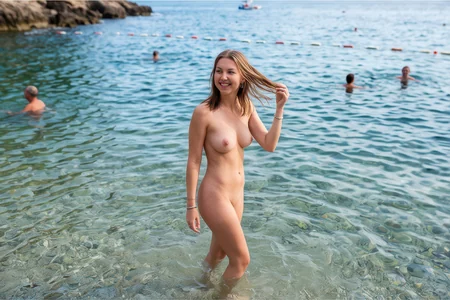
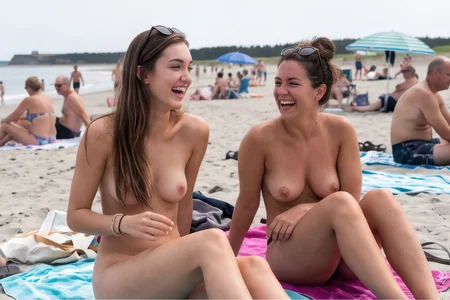
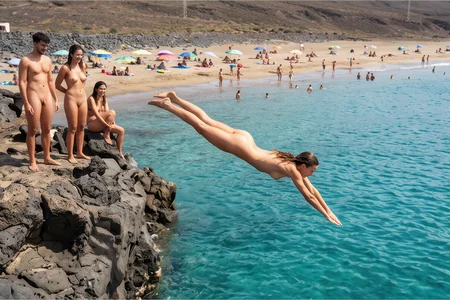
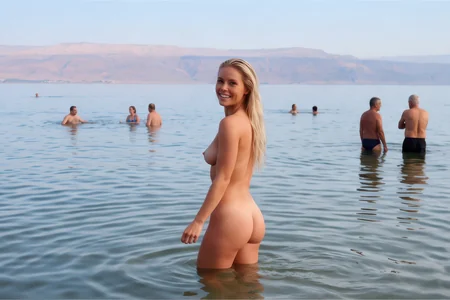
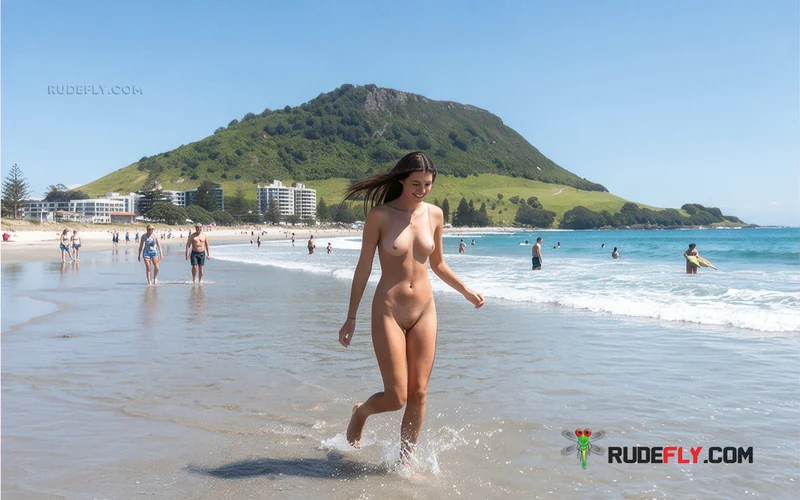
Papamoa Beach in Bay of Plenty is listed for naturist use. Find access, facilities, water conditions and etiquette for this open sandy beach.
≋Beach details
CountryNew Zealand
RegionBay of Plenty
Naturism statusReported naturist beach
WaterbodySea / ocean
Place typeBeach
Surfacesand
Best season12-03
01020304
05060708
09101112
📍 Map & location
DISCOVER MORE
Explore similar beaches
Location
Naturism
Beach characteristics
Overview
Papamoa Beach in the Bay of Plenty is listed in directories as a naturist beach, though no officially designated naturist area is confirmed. This long sandy beach on the open Pacific coast is a shared public space used by swimmers, walkers and families, so any naturist use requires discretion and regard for New Zealand law and other visitors. The shoreline stretches for kilometres east of Tauranga, backed by dunes with wide exposed sand and open surf. Privacy is limited near main access points, with quieter room along extended stretches. Visitors should bring water, sun protection and supplies, plan around limited toilets and shade, and remain clothed when the beach is busy.
Visiting the beach
Papamoa Beach stretches for kilometres along the Bay of Plenty coast east of Tauranga, facing the Pacific Ocean. Access is via multiple public points through residential streets and dune tracks, with street parking near most entries and local buses between Tauranga and Pāpāmoa stopping within walking distance. Street parking can fill at peak times near popular entries, so arriving outside busy periods can make access easier. There is no known entry fee and no fixed opening hours reported, with open access throughout the day. The beach surface is sand, wide and exposed, with dunes behind and firmer sand near the waterline at lower tides. Walking distances can be long because the shoreline extends for kilometres, and soft sand and dune paths can make movement slower. Facilities are limited on the sand itself. Toilets and showers are only at some main access areas, so plan accordingly if you intend to walk far from an entry point. There is little natural shade, with dunes and nearby buildings providing only limited shelter, and sun exposure is high on the open sand. No consistent food service is available on the beach; shops and cafes are in nearby Pāpāmoa areas, so bring water, sun protection and supplies for the time away from facilities. Water conditions are open ocean surf and vary with swell, wind and tide. Patrolled swimming areas may operate in summer at main sections, but many stretches are unpatrolled and require care when swimming or paddling. Mornings and late afternoons are often preferred for sun and wind comfort, and visits often last one to three hours depending on weather and swimming or walking plans. The warmest beach weather is generally from December to March, with cooler and windier conditions outside summer, so clothing, wind shelter and timing matter for comfort.
Getting there
Access: Long open sandy beach with multiple public access points via residential streets and dune tracks.
Parking: Street parking near beach access points; no large dedicated car park at every entry.
Public transport: Local buses between Tauranga and Pāpāmoa stop within walking distance of beach accesses.
Accessibility: Flat beach but soft sand and dune paths limit step-free access; accessible facilities vary by access point.
At the beach
Facilities
Limited facilities on the sand; toilets and showers only at some main access areas.
Naturist rules
Papamoa Beach has no confirmed officially designated naturist area and remains a shared public beach. Anyone considering naturist use should act with discretion, respect other visitors, and understand that public nudity is subject to New Zealand law. Choose quieter stretches well away from main access points, families and patrolled areas, and avoid behaviour that draws attention. Keep a towel to sit on, cover up when walking to and from access points, and do not photograph others. If the beach is busy or privacy is limited, remain clothed and return at a quieter time if appropriate. Leave dunes and access areas undisturbed and take all belongings and rubbish with you.
Visitor overview
Papamoa Beach offers a long, open sandy shoreline with an exposed coastal feel and wide views over the Pacific. The atmosphere is generally relaxed and mixed, with swimmers, walkers and families sharing the space throughout the day. Crowds are higher near main accesses in summer and thinner along extended stretches, where longer walks are possible. Facilities, shade and privacy are limited, so visitors should come prepared for sun, wind and variable surf. Swimming depends on swell, wind and tide, and many sections are unpatrolled. The setting suits those who value space for walking and swimming rather than seclusion and built facilities.
Quick answers
Frequently asked questions
Is Papamoa Beach an official naturist beach?
No officially designated naturist area is confirmed. The beach is listed in directories for naturist use, but it is a shared public beach and any naturist use must consider New Zealand law, other visitors and the open, exposed setting.
What is the beach surface and water like?
The beach is wide sand with dunes behind and firmer sand near the water at low tide. The water is open Pacific surf with conditions that vary with swell, wind and tide, and many sections are unpatrolled.
Are there facilities, shade and food at Papamoa Beach?
Facilities are limited on the sand. Toilets and showers are only at some main access areas, shade is scarce, and there is no consistent food service on the beach. Shops and cafes are in nearby Pāpāmoa, so bring water, sun protection and supplies.
When is the best time to visit Papamoa Beach?
The warmest weather is generally December to March. Mornings and late afternoons are often preferred for sun and wind comfort, and many visits last one to three hours depending on swimming, walking plans and weather conditions.
How do you access Papamoa Beach and park?
Access is via multiple public dune tracks from residential streets along the coast. Parking is typically on nearby streets and can fill at peak times. Local buses between Tauranga and Pāpāmoa stop within walking distance of beach accesses.
Community
What visitors say
RUDEFLY SUNSEEKERS
Who’s into this beach?
Meet Sunseekers connected with this beach.
Be the first one to comment!
No comments yet. Be the first!
Send
Keep exploring