Beach articles today 1 / 3
Unlimited with Premium →
Paliku Beach (aka Donkey Beach)
Reported naturist beach
📍 Hawaii, United States
Visiting Donkey Beach (Paliku Beach) on Kauai? Learn about foot-trail access, informal clothing-optional use, no facilities, and rough ocean conditions.
≋Beach details
CountryUnited States
RegionHawaii
Naturism statusReported naturist beach
WaterbodySea / ocean
Place typeBeach
SurfaceSand
Best season04-09
01020304
05060708
09101112
📍 Map & location
DISCOVER MORE
Explore similar beaches
Location
Naturism
Beach characteristics
Overview
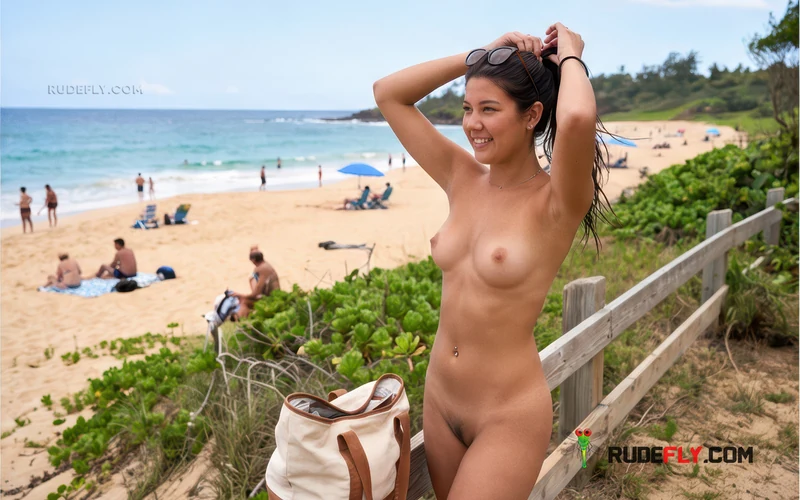
Donkey Beach, also listed as Paliku Beach on Kauai's east shore near Kapaa, is reported as an informal clothing-optional beach without formal designation. Nude use is unofficial and shared with other beachgoers, so discretion is needed. The beach is reached only by foot trail and has no facilities, which keeps use low and the setting natural and quiet. Visitors should expect open sand backed by vegetation, with little shade and high sun exposure through the middle of the day. The shoreline faces open-ocean surf that is often unsuitable for casual swimming, with currents reported at times. Because help is limited in this remote setting, plan for self-sufficient daylight visits with water, sun protection, and supplies.
Visiting the beach
Access is by foot trail from the trailhead area near Kapaa, with no vehicle access to the sand. Stay on the established trail and beach areas and allow time for the walk in and out, especially when carrying water, sun protection, and any supplies you need for a self-sufficient visit. The route is unpaved and leads through vegetation before opening onto sand, so wear suitable footwear and expect soft sand underfoot. Parking is limited to a small trailhead area and roadside space, so arriving early helps, especially on weekends and calm-weather days when use is reported to be slightly higher. Do not park on the beach itself and follow any posted parking signs. There is no direct public transport to the trailhead, so most visitors arrive by car, bicycle, or taxi and then walk the remaining distance. The beach surface is sand with vegetation at the back and little natural shade on the open stretch, leaving most areas exposed during midday. There are no toilets, showers, lifeguards, or food and drink vendors, and no admission fee is reported. Daylight visits are the practical pattern, with morning often offering calmer wind and more comfortable walking conditions. Drier and calmer conditions are generally expected from April through September, while winter surf can be rough and ocean energy increases. The water is open ocean with currents and surf that are often unsuitable for casual swimming, and no lifeguard service is reported. Plan for high sun exposure, bring sufficient water, pack out all waste, and be prepared for limited help nearby due to the remote setting. Half-day visits are common because of the trail access and lack of facilities, and visitors should leave the sand and vegetation as they found it.
Getting there
Access: Public beach reached only by foot trail from trailhead; no vehicle access to sand, stay on established trail and beach areas.
Parking: Small trailhead parking area with limited roadside space; early arrival often needed and no parking on the beach itself
Public transport: No direct public transport to the beach or trailhead; access typically by private car, bicycle, or taxi to trailhead then walk
Accessibility: Unpaved trail and soft sand with no paved paths, boardwalks, or accessible facilities; not suitable for wheelchairs or limited mobility.
At the beach
Facilities
No facilities at the beach; no toilets, showers, lifeguards, shops, or food vendors
Naturist rules
Nude use at Donkey Beach is unofficial and there is no formal naturist designation reported, so discretion is essential. Choose space well away from other groups, avoid staring or photography, and keep noise low to preserve the quiet atmosphere. Keep swimwear handy for passing walkers and for the trail, where cover is expected. Do not reserve large areas with gear, and leave the sand and vegetation as you found it without moving plants or leaving waste. Respect that many visitors are textile, and be prepared to cover up promptly if your presence affects others. As with any informal site, local tolerance can vary, so observe posted signs and the behavior of others before undressing.
Visitor overview
Donkey Beach offers a remote, natural beach experience rather than a serviced resort beach. The lack of toilets, showers, vendors, and lifeguards means visitors need to be self-sufficient and comfortable with trail access and open-ocean conditions. Crowds are generally low, with a quiet atmosphere and relative privacy on the open sand, but also limited assistance if needed. The sand is open and sunny with little shade, so sun exposure is high through much of the day. The water often has surf and currents that make casual swimming unsuitable, and no lifeguard service is reported. It is better suited to self-sufficient adults seeking quiet and natural surroundings than to families seeking facilities and calm swimming.
Quick answers
Frequently asked questions
Is Donkey Beach (Paliku Beach) officially a nude beach?
No formal naturist designation is reported for Donkey Beach. The beach is listed in directories as having informal clothing-optional use, so nudity is unofficial and requires discretion. Visitors should respect other beachgoers, keep swimwear handy, and be prepared to cover up if needed.
How do you get to Donkey Beach?
You reach the beach only by foot trail from the trailhead near Kapaa. There is no vehicle access to the sand, and visitors are expected to remain on the established trail and beach areas. Allow time for the walk in and out, wear suitable footwear, and carry water and supplies.
Are there facilities at Donkey Beach?
No. There are no toilets, showers, lifeguards, or food and drink vendors at the beach, and no admission fee is reported. Bring water, sun protection, and supplies for a self-sufficient visit. Plan to carry out all waste and leave the sand and vegetation as you found it.
Can you swim at Donkey Beach?
The beach faces open ocean with currents and surf that are often unsuitable for casual swimming. No lifeguard service is reported, so extra caution is needed in and near the water. Many visitors stay on the sand, enjoy the natural setting, and avoid entering rough surf.
When is the best time to visit Donkey Beach?
Drier and calmer conditions are generally expected from April through September, with winter bringing rougher surf and stronger ocean energy. Morning visits often have calmer wind and more comfortable walking conditions. Daylight hours are the practical pattern for trail access and a self-sufficient visit.
Community
What visitors say
RUDEFLY SUNSEEKERS
Who’s into this beach?
Meet Sunseekers connected with this beach.

Be the first one to comment!
No comments yet. Be the first!
Send
Keep exploring