Beach articles today 3 / 3
Unlimited with Premium →
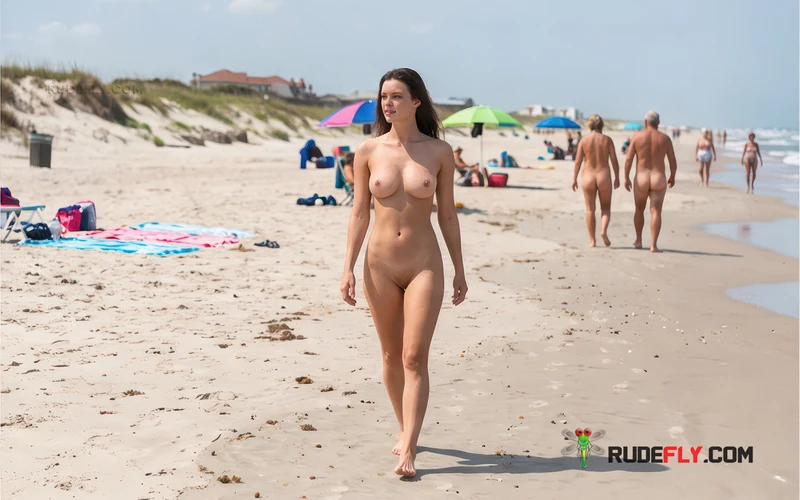
Padre Island National Seashore
Reported naturist beach
📍 Texas, United States
Padre Island National Seashore is reported for naturist use on remote Texas Gulf sand. Plan fees, limited facilities, safety and conduct before visiting.
≋Beach details
CountryUnited States
RegionTexas
Naturism statusReported naturist beach
WaterbodySea / ocean
Place typeBeach
Surfacesand
Best season04-10
01020304
05060708
09101112
📍 Map & location
DISCOVER MORE
Explore similar beaches
Location
Naturism
Beach characteristics
Overview
Padre Island National Seashore is reported as a clothing-optional beach along the Texas Gulf coast, without formal designation for the practice. Use is described in remote sandy sections rather than near developed access points around Corpus Christi. The seashore extends for many miles, shifting from parking and facility areas to quiet stretches where distance between groups increases. Visitors use morning and late afternoon for milder sun and wind, while midday brings high exposure on open sand. Planning matters because shops, shade, lifeguard coverage, drinking water, and services are limited across much of the area, so self-sufficiency shapes comfort and safety.
Visiting the beach
Padre Island National Seashore is reached by private vehicle through the national seashore entrance near Corpus Christi, followed by beach roads and long sandy driving sections. There is no direct public transport, so fuel, food, drinking water, portable shade, sun protection, and beach supplies should be carried for the full stay. A national seashore entrance fee normally applies and may vary by access type, so visitors should expect to pay and follow posted entry requirements. Parking is concentrated near developed access points and designated beach areas, while remote sections allow parking on firm sand where permitted, with soft areas avoided for safety and access. April through October generally offers the warmest conditions, although heat, sun, wind, and possible storms affect comfort and access throughout the season. Morning and late afternoon generally offer milder conditions for walking, driving on sand, and spending time on the open beach, while midday often brings stronger sun and heat. The surface is sand, with soft sections that limit accessibility and make walking or driving slower, particularly away from firmer routes near developed areas. Toilets are available near developed access points, while showers and other services are limited, so visitors should not expect resupply along remote stretches. Lifeguard coverage is limited or absent across much of the seashore, and open Gulf water has waves, currents, and changing clarity that call for conservative water use. Dogs may be restricted or require leashing in parts of the seashore, so posted dog rules should be checked before bringing animals. Visits often last several hours to a full day because access points are spread out and travel between sections takes time. Stay in designated public beach areas and follow posted rules for vehicles and camping, including where driving, stopping, and overnight stays are allowed. Access remains subject to weather and management conditions, so current postings should guide final plans.
Getting there
Access: Vehicle access through the national seashore entrance, with long beach sections used for driving and dispersed access
Parking: Parking near developed access points and designated beach areas; remote sections allow parking on firm sand where permitted
Public transport: No direct public transport to the seashore; private vehicle normally required
Accessibility: Limited accessibility; soft sand and remote terrain restrict movement outside developed areas
At the beach
Facilities
Limited facilities concentrated near developed access points
Naturist rules
Clothing-optional use here is reported rather than formally designated, so careful conduct is important. Choose a remote section with distance from families, anglers, drivers, and campers, and avoid settling near access points, parking areas, or busy routes. Keep clothing within reach and cover up when approached by staff or other beach users, especially where expectations are unclear. Avoid staring, photography, loud behavior, and close placement near others, giving surrounding groups wide space. Take all rubbish away and leave sand and vegetation undisturbed, carrying out everything brought onto the beach. Follow posted national seashore rules for vehicles, camping, dogs, and public use, and adjust plans if conditions or directions from staff require it.
Visitor overview
This Texas Gulf beach suits experienced, self-sufficient visitors seeking quiet, low-density sand rather than serviced recreation. The setting is open and exposed, with wide sandy shoreline, strong sun, wind, and variable Gulf water that changes with weather. Facilities are limited outside developed access points, so food, water, shade, and safety preparation shape the day from arrival to departure. Clothing-optional use is reported in remote sections, without formal designation, making distance, discretion, and awareness of others especially important. Expect long travel between points, limited help nearby, and changing weather that can alter driving, walking, and comfort. Time on the beach often feels remote, with fewer services and longer gaps between groups.
Quick answers
Frequently asked questions
Is Padre Island National Seashore a designated clothing-optional beach?
No. It is reported for clothing-optional use in remote sections, but not formally designated. Public nudity may be subject to general public-use rules, so discretion, distance from others, and attention to posted rules are important.
How do visitors get to the beach?
Access normally requires a private vehicle through the national seashore entrance. There is no direct public transport. Visitors then use beach roads and sandy driving sections, with parking near developed access points or on firm sand where permitted.
What facilities are available?
Facilities are limited and concentrated near developed access points. Toilets may be available there, while showers, shops, shade, and drinking water are limited or absent. Visitors should bring food, water, sun protection, and portable shade.
When is the most practical time to visit?
April through October generally brings warm conditions from spring to autumn. Morning and late afternoon often offer milder sun and wind. Heat, strong sun, wind, and possible storms can affect comfort, so check conditions before travelling.
Is the water safe for swimming?
The beach faces open Gulf water with waves, currents, and changing clarity. Lifeguard coverage is limited or absent across much of the seashore. Swim conservatively, watch wind and weather changes, and allow extra caution where help is distant.
Community
What visitors say
RUDEFLY SUNSEEKERS
Who’s into this beach?
Meet Sunseekers connected with this beach.
Be the first one to comment!
No comments yet. Be the first!
Send
Keep exploring