Beach articles today 1 / 3
Unlimited with Premium →
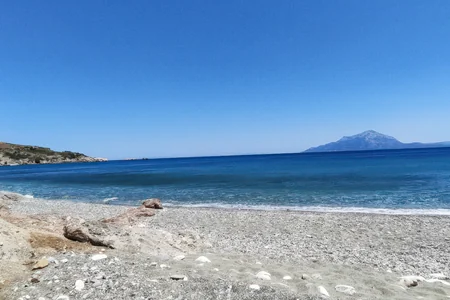
Little Onetangi Beach
Naturism permitted
📍 Auckland, New Zealand
Little Onetangi Beach is reported for permissive naturist beach use on Waiheke Island. Plan access, facilities, water, and etiquette for a quiet visit.
≋Beach details
CountryNew Zealand
RegionAuckland
Naturism statusNaturism permitted
WaterbodySea / ocean
Place typeBeach
Surfacesand
Best season12-02
01020304
05060708
09101112
📍 Map & location
DISCOVER MORE
Explore similar beaches
Location
Naturism
Beach characteristics
Overview
Little Onetangi Beach is reported for permissive naturist beach use on Waiheke Island in Auckland, New Zealand. This small sandy beach near Onetangi offers a quiet, natural setting without services. Visitors reach it on foot along established coastal routes and find open sand backed by vegetation and banks. Conditions vary with tide, wind, and weather, while sun exposure is high on the open shore. Summer from December to February generally brings the warmest and most settled weather. Stays of a few hours are most practical because there are no toilets, showers, lifeguards, or food outlets.
Visiting the beach
Little Onetangi Beach sits on the coast near Onetangi on Waiheke Island in Auckland, New Zealand. Access is on foot using established coastal routes from the Onetangi area, with uneven natural ground in places that calls for sturdy footwear and careful footing. There are no gates or set hours, so daylight visits are most practical when weather and sea conditions allow for safe walking and time on the sand. Mornings and afternoons generally give better light and warmer conditions for swimming and resting on the shore, while midday sun can be strong on the open beach. The surface is sand, with vegetation and banks behind the shore offering limited natural shade depending on position and time of day. There is little built shade anywhere near the water, so sun protection, a hat, and drinking water are advisable even for short stays. The water is sheltered coastal sea water typical of Waiheke, changing with wind, tide, and weather through the day. There is no lifeguard service, so swim within personal limits, enter cautiously, and check conditions before entering the water. Facilities are absent at the beach itself. Expect no toilets, showers, food or drink outlets, or admission charge, and plan to be fully self-sufficient. Bring water, food, sun protection, sturdy footwear, and a bag for rubbish, and remove everything on departure to leave the sand clean. Short stays of a few hours are most practical because of the lack of services and shade. Parking is not provided at the beach; use public parking around Onetangi and walk in along the established approach. Public transport serves the Onetangi area, with the final approach on foot over natural tracks. Local dog controls may apply in the Auckland area, so check current council guidance before visiting. The setting suits self-sufficient visitors seeking quiet and natural surroundings rather than family facilities, lifeguards, or services.
Getting there
Access: Foot access via natural coastal tracks from the Onetangi area; uneven ground in places.
Parking: No dedicated beach parking; use public parking around Onetangi and walk in.
Public transport: Public transport serves the Onetangi area; the final approach is on foot.
Accessibility: Natural beach without step-free paths or adapted facilities; sand and uneven tracks limit access.
At the beach
Facilities
No facilities, lifeguards, toilets, showers, or food outlets at the beach.
Naturist rules
Nude use at Little Onetangi Beach is reported as permissive rather than formally designated, so discreet behaviour matters throughout a visit. Choose a quieter area away from the main access points and give other beach users clear space on the sand. Bring a towel to sit on and keep a cover-up close at hand for walking past others, for conversations, or when requested to cover. Avoid staring, comments on other people, photography of other people, and loud behaviour that carries across a small beach. Respect neighbouring property, stay on established routes through vegetation and banks, and avoid creating new paths. Leave the sand clean, carry out all rubbish, and take food scraps and hygiene items with you because there are no bins or services. If textile visitors arrive nearby, give additional space or cover up to keep the atmosphere comfortable for everyone.
Visitor overview
Little Onetangi Beach is a small sandy shore reported for quiet, low-key naturist use near Onetangi on Waiheke Island. The atmosphere is secluded and natural, generally with few visitors and open sand backed by vegetation and banks. There are no services at the beach, so visitors should arrive prepared with drinking water, food, sun protection, and a bag for rubbish. Swimming is in sheltered coastal sea water that varies with tide, wind, and weather, without lifeguard supervision. Privacy is limited because the site is secluded but not enclosed, and textile visitors may also use the shore. Access is on foot over uneven natural tracks, and stays of a few hours are most practical. It best suits independent adults comfortable with self-sufficient beach visits in a quiet natural setting.
Quick answers
Frequently asked questions
Where is Little Onetangi Beach?
It is a small sandy beach near Onetangi on Waiheke Island in Auckland, New Zealand. Access is on foot via established coastal routes from the Onetangi area, with uneven natural ground in places that suits sturdy footwear.
Is nude use accepted at Little Onetangi Beach?
Nude use is reported as permissive at Little Onetangi Beach. It is not described as formally designated, so keep nudity discreet, choose quieter areas away from access points, and cover up near others or if requested.
Are there toilets, showers, or cafes?
No. There are no toilets, showers, lifeguards, or food and drink outlets at the beach. Bring drinking water and supplies for a short stay, use public parking around Onetangi, and remove all rubbish when you leave.
When is the best time to visit?
Daylight hours in summer, generally December to February, offer the warmest and most settled weather for swimming and time on the sand. Conditions remain subject to wind, tide, and sea state throughout the year, so check forecasts before visiting.
What should I bring for a visit?
Bring sun protection, drinking water, food, sturdy footwear for uneven tracks, a towel, and a rubbish bag. Plan for a short stay of a few hours because facilities, shade, and lifeguards are absent at the beach.
Community
What visitors say
RUDEFLY SUNSEEKERS
Who’s into this beach?
Meet Sunseekers connected with this beach.
Be the first one to comment!
No comments yet. Be the first!
Send
Keep exploring