Beach articles today 1 / 3
Unlimited with Premium →

Kolitsani
Reported naturist beach
📍 South Aegean, Greece
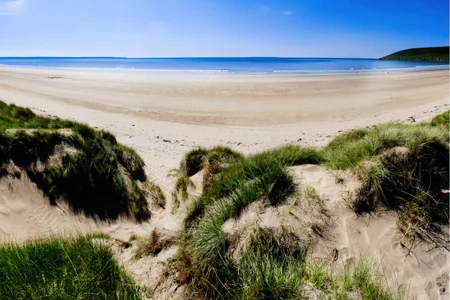
Kolitsani is a quiet undeveloped beach listed for naturist use in secluded spots. Bring water, sun protection and expect no facilities on site.
≋Beach details
CountryGreece
RegionSouth Aegean
Naturism statusReported naturist beach
WaterbodySea / ocean
Place typeBeach
SurfacePebbles and rock with limited sand
Best season06-09
01020304
05060708
09101112
📍 Map & location
DISCOVER MORE
Explore similar beaches
Location
Naturism
Beach characteristics
Overview
Kolitsani is listed for naturist use in secluded areas on an undeveloped shore in the South Aegean near Chora. The setting is quiet, without vendors, toilets, showers, sunbeds or lifeguards, and the shore mixes pebbles and rock. Water is clear over a pebble and rock seabed, though wind can make the sea choppy. Sun exposure is high with little natural shade, so morning and late afternoon visits are more comfortable. Access is open during daylight, with the last section on foot or by boat. Visitors stay a few hours and carry all water, food and equipment.
Visiting the beach
Kolitsani is an open-access beach with no gates or set opening hours, used during daylight. Plan for a fully self-supported visit. There is no admission fee, no food or drink vendor, no toilet or shower, no lifeguard service, and no sunbed rental. Carry water, food, sun protection, a shade cover, sturdy footwear and a bag for rubbish. The surface is pebbles and rock with limited sand, and the seabed is mixed pebble and rock. Water shoes help for entry and for moving across uneven ground underfoot. The water is clear and can be wavy when winds are strong, so check conditions before swimming and stay within personal limits, avoiding long swims when chop builds. Shade is scarce and there is no built shelter. High sun exposure makes a hat, sunscreen and extra water important, with reapplication through the day. Morning and late afternoon give milder sun and often lighter wind, making arrival early or staying late more comfortable. The beach is quiet with very few visitors, and a typical stay lasts a few hours, often combined with walking or a boat trip along the coast. The final approach is on foot or by boat over uneven coastal ground that needs steady footing. There is no dedicated beach parking documented, and there is no direct public transport to the shore, so travel via Chora and allow time for walking with all supplies carried in. Warm dry summers bring strong sun and occasional meltemi winds, while late spring and early autumn are milder for walking and swimming. Mobile help nearby is limited, so tell someone your plan and keep equipment simple and easy to carry out.
Getting there
Access: Open coastal access with no gates; final approach on foot or by boat over uneven natural ground
Parking: No dedicated beach parking documented; any parking is informal and requires walking
Public transport: No direct public transport to the beach; travel via Chora then on foot or by boat
Accessibility: Uneven pebble and rock terrain without adapted paths or facilities; unsuitable for limited mobility
At the beach
Facilities
No facilities; undeveloped beach without sunbeds, toilets, showers or lifeguards
Naturist rules
Naturism at Kolitsani is reported as tolerated in secluded areas rather than formally designated. Choose a quiet spot away from paths and textile visitors, and keep nudity discreet on arrival and departure. Respect personal space, avoid staring and photography, and keep noise low so the shore stays calm. Take all rubbish away, as there are no bins or cleaning services and all supplies must be carried out. Dogs are not subject to documented restrictions, but keep animals under control and remove waste, keeping them close in shared areas. Be prepared to cover up if other beach users seem uncomfortable, and change discreetly near access routes.
Visitor overview
Kolitsani suits visitors seeking quiet, privacy and a natural shore without services. Expect solitude, clear water, pebble and rock underfoot, strong sun and wind at times, with very few people around. It is less suited to families with young children, visitors needing step-free access, or anyone wanting facilities, shade or supervised swimming. The uneven ground and lack of toilets, vendors and lifeguards require full self-sufficiency. The experience is simple: arrive prepared, swim, rest briefly, and leave no trace. Late spring and early autumn offer milder air and sea conditions, while summer brings stronger sun and occasional chop. Stays are usually short, centred on swimming, rest and coastal walking.
Quick answers
Frequently asked questions
Is Kolitsani a naturist beach?
Kolitsani is listed for naturist use, with naturism reported as tolerated in secluded areas. It is not documented as officially designated, so discretion and respect for other beach users are important, especially near paths and shared spots.
Are there facilities at Kolitsani?
No. There are no vendors, toilets, showers, sunbeds or lifeguards at this undeveloped shore. Visitors should bring water, food, sun protection, footwear for pebbles and rock, shade cover, and take all rubbish away with them.
What is the beach surface and sea like?
The shore and seabed mix pebbles and rock with limited sand. The water is clear but can be wavy in strong wind, so water shoes and careful entry help over uneven ground, especially on windy days.
When is the best time to visit Kolitsani?
Late spring through early autumn is mildest, with June through September warmest for swimming. Morning and late afternoon offer milder sun and often lighter winds for visits. Summer can bring strong sun and meltemi winds, so carry extra water and shade.
How do visitors reach Kolitsani?
Access is open during daylight with no gates. The final section is on foot or by boat over uneven ground. There is no direct public transport or dedicated parking documented, so allow time for walking.
Community
What visitors say
RUDEFLY SUNSEEKERS
Who’s into this beach?
Meet Sunseekers connected with this beach.

Be the first one to comment!
No comments yet. Be the first!
Send
Keep exploring