Beach articles today 1 / 3
Unlimited with Premium →

Kauapea Beach
Reported naturist beach
📍 Hawaii, USA
Kauapea Beach on Kauai's north shore is reported for clothing-optional use. Find trail access, parking, safety, and what to bring for a remote sand beach.
≋Beach details
CountryUSA
RegionHawaii
Naturism statusReported naturist beach
WaterbodySea / ocean
Place typeBeach
Surfacesand
Best season05-09
01020304
05060708
09101112
📍 Map & location
DISCOVER MORE
Explore similar beaches
Location
Naturism
Beach characteristics
Overview
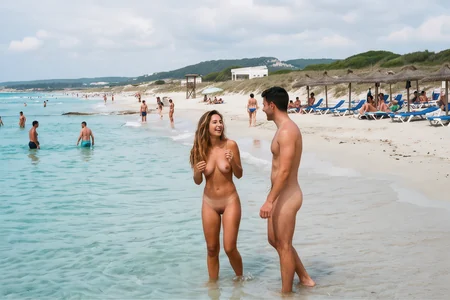
Kauapea Beach on the north shore of Kauai is reported for clothing-optional use on its more remote sections. The beach is listed rather than formally designated, so visitors seeking that use tend to settle away from the main access point. Reaching the sand requires a steep public coastal trail from near Kilauea, followed by a climb back at the end of the visit. There are no toilets, showers, vendors, or lifeguards. The shoreline is sandy and largely exposed, with limited shade near cliffs and vegetation. Morning visits are generally preferred for calmer wind and easier trail conditions.
Visiting the beach
Kauapea Beach sits in Kauaʻi County, Hawaii, near Kilauea, and is reached only on foot. The public coastal trail is steep and uneven in places, with loose ground and a sustained climb on the return. Wear closed walking shoes for the trail and carry lighter beach footwear separately. Remain on established paths, allow extra time for the ascent, and avoid the route in wet or low-light conditions. Daylight visits are customary for safety. Parking near the trailhead is limited to roadside space. Arrive early, park only where permitted, and do not block driveways or access points. No direct public transport to the trailhead is generally expected, so most visitors arrive by private vehicle. There are no facilities at the beach. Bring sufficient water, food, sun protection, and a bag for all waste, as no trash service, toilets, showers, food vendors, or lifeguard service are generally available. Plan visits of a few hours to allow for trail effort and changing conditions. The beach surface is sand, open and exposed through the middle with limited natural shade near cliff edges and vegetation. Sun exposure is high, so a portable shade cover, hat, and reef-safe sunscreen are practical. Late spring through early fall generally brings drier, calmer conditions, while winter surf can be rougher. Morning hours are generally preferred for lighter wind and easier trail use. Ocean conditions can include surf and currents, so swimming calls for caution. Many visitors stay near shore, check conditions before entering, and avoid rough water. Because clothing-optional use is reported rather than formally designated, choose a quieter section, keep distance from others, and dress when walking past families or the trail entry.
Getting there
Access: Access is by a steep public coastal trail with uneven sections. Visitors should remain on established paths and plan for a climb on return.
Parking: Limited roadside parking near the trailhead. Arrive early and park only in permitted areas without blocking access.
Public transport: No direct public transport to the trailhead is generally expected; private vehicle access is customary.
Accessibility: Not wheelchair accessible. Steep, uneven trail and soft sand limit access for visitors with reduced mobility.
At the beach
Facilities
No facilities, toilets, showers, vendors, or lifeguard service.
Naturist rules
Clothing-optional use at Kauapea Beach is reported on remote sections, not formally designated. Set up well away from the trail entrance and textile visitors, choosing a quieter spot with clear distance from others. Keep noise low and avoid staring, photography of others, or approaching people without invitation. Dress before using shared trail sections or speaking with passersby, including families near the entry. Leave no trace because no trash service exists, carrying out everything brought in. Respect shoreline access conventions and vegetation by staying on established paths and behind stable ground near cliffs. Show discretion throughout the visit, recognizing the beach is listed rather than formally designated and shared with clothed visitors seeking quiet.
Visitor overview
Kauapea Beach suits experienced, self-sufficient visitors seeking a quiet, remote sand beach reached only on foot. Crowds are generally low because trail effort limits numbers, so those present tend to value solitude and quiet. There are no services, so comfort depends on what visitors carry in, including water, food, sun protection, and waste bags. The setting offers open sand, cliff edges, and strong ocean exposure with limited shade near cliffs and vegetation. Remote trail access, lack of facilities, and variable surf make it generally unsuitable for young children. Expect high sun, limited shade, and a demanding return climb. Morning visits are generally preferred for lighter wind and easier trail use.
Quick answers
Frequently asked questions
Is Kauapea Beach formally designated for clothing-optional use?
No formal designation is supplied. Clothing-optional use is reported on remote sections rather than formally designated. Visitors seeking that use generally choose quieter areas, keep distance from others, and show discretion around textile visitors and families near access points.
How do visitors reach Kauapea Beach?
Access is by a steep public coastal trail with uneven sections and loose ground. Wear sturdy footwear, remain on established paths, allow time for the return climb, and visit in daylight for safety. Avoid the route in wet or low-light conditions and allow extra time for the ascent.
Are there toilets, showers, or food vendors?
No toilets, showers, or food and drink vendors are generally available, and no trash service is provided. Bring water, food, sun protection, and carry out all waste. No lifeguard service is generally expected, so visitors should plan as fully self-sufficient for a stay of a few hours.
When are conditions generally calmest?
Late spring through early fall generally brings drier, calmer conditions, while winter surf can be rougher. Morning hours are generally preferred for lighter wind and easier trail use. Conditions can still change through the day, so check surf and wind before visiting and allow flexibility.
Is swimming safe at Kauapea Beach?
Ocean conditions can be rough with surf and currents, so swimming requires caution. Check conditions before entering, stay near shore, avoid rough water, and respect the remote setting without lifeguards. Many visitors remain on sand on rougher days because the setting is remote and without lifeguards.
Community
What visitors say
RUDEFLY SUNSEEKERS
Who’s into this beach?
Meet Sunseekers connected with this beach.

Be the first one to comment!
No comments yet. Be the first!
Send
Keep exploring