Beach articles today 1 / 3
Unlimited with Premium →
Issos Beach
Reported naturist beach
📍 Ioanian Islands, Greece
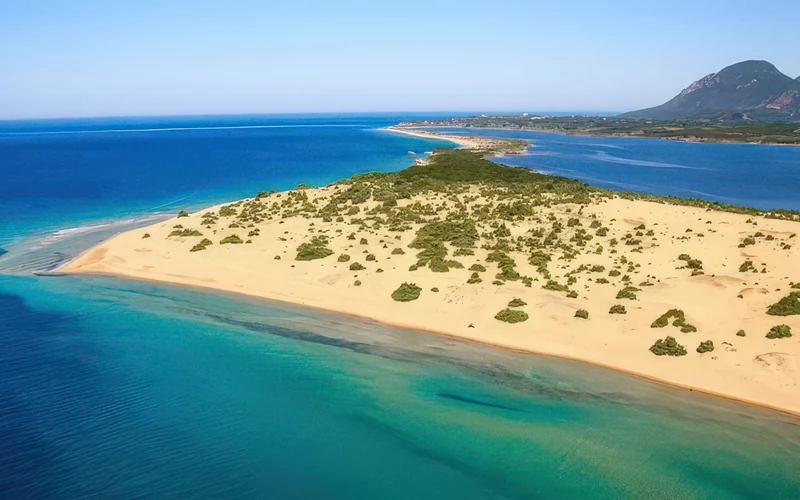
Issos Beach on Corfu is listed for informal naturist use on quiet dune-backed sand. Plan access, sun, wind and facilities for a self-sufficient visit.
≋Beach details
CountryGreece
RegionIoanian Islands
Naturism statusReported naturist beach
WaterbodySea / ocean
Place typeBeach
SurfaceSand with backing dunes.
Best season06-09
01020304
05060708
09101112
📍 Map & location
DISCOVER MORE
Explore similar beaches
Location
Naturism
Beach characteristics
Overview
Issos Beach on the southwest coast of Corfu is listed for informal naturist use alongside textile use, with naturist activity concentrated away from the main access points. The setting is a long stretch of sand backed by dunes and low vegetation, facing open sea water that is generally clear but can carry wind and waves. Conditions are quiet and self-sufficient, with few or no facilities at the naturist section and high sun exposure. Summer from June to September brings warm, dry weather best suited to swimming, while shoulder months feel cooler and windier. Visits commonly last a half day, shaped by sun, wind and supplies carried in.
Visiting the beach
Issos Beach is an open beach without gate, ticket or fixed daylight restriction beyond daytime use, and no admission fee is indicated. Access is on foot along established paths through dunes, so remain on marked routes to protect vegetation and expect soft, uneven sand underfoot for much of the walk. Parking is in unpaved areas near the access points, with availability changing through the season, and arrival early in the day helps during warm months when demand is higher. Public transport is limited, so a private vehicle or taxi is generally more practical, and return travel should be arranged in advance rather than relied upon at the beach. The surface is sand with backing dunes, and natural shade is limited to low dune vegetation that offers little cover at midday. Morning and late afternoon offer milder sun and wind, while midday brings strong exposure on open sand that calls for a hat, cover and sunscreen. Bring sun protection, water and food, as little or no food and drink service is available at the naturist section and the nearest options require walking back. There are no toilets or showers indicated there, and no lifeguard service, so swim with care when waves and wind build and stay within comfortable depth. The sea is open and generally clear, but conditions can change quickly with wind direction and afternoon chop. Allow a half-day pattern, carry everything out, and keep expectations simple: this is a quiet, low-facility shoreline where preparation shapes comfort and time on the sand. Families and less mobile visitors should note uneven paths, limited shade, limited supervision and the absence of adapted facilities, which make assistance and short stays more practical.
Getting there
Access: Open access on foot via established paths through dunes over uneven sand.
Parking: Unpaved parking areas near access points; availability varies by season.
Public transport: Limited public transport indicated; private vehicle or taxi is more practical.
Accessibility: Uneven sandy paths without adapted facilities; not indicated as wheelchair accessible.
At the beach
Facilities
Few or no facilities at the naturist section.
Naturist rules
Naturist use at Issos Beach is informal and mixed with textile use, so choose a spot away from main paths and entrances where naturist activity is concentrated. Give other beach users generous space, keep noise low and avoid staring or photography, including phone cameras held at distance. Stay clothed while crossing paths, parking areas and access points, changing only once settled and screened from the main walkway. Protect the dunes by using established routes and leaving vegetation undisturbed, without digging or clearing plants for shelter. Take all rubbish away, as services are minimal and bins are not indicated near the naturist section, and keep dogs leashed and supervised where no clear policy is indicated. If unsure about local tolerance on a given day, follow the lead of settled users and keep a cover ready.
Visitor overview
Expect a wide, open sand beach with dunes, strong light and changing wind that shapes comfort through the day. The mood is generally quiet, especially outside high summer, and visitors tend to be self-sufficient day users rather than facility seekers, settling with their own water, food and shade. Comfort depends on sun protection, water, food and realistic plans for toilets, shade and transport, since little is provided at the naturist section. The sea offers clear open-water swimming when calm, with waves possible when wind rises and a shoreline that stays exposed rather than sheltered. Privacy is relative: distance from entrances helps and spacing is usually easy to find, but the landscape remains open with long sightlines across sand and water.
Quick answers
Frequently asked questions
Is Issos Beach a naturist beach?
Issos Beach is listed for informal naturist use mixed with textile use. Naturist activity is concentrated away from main access points, without indicated official designation, gates or separate zones. Expect shared sand where tolerance varies by spot and season, so settle at distance from entrances and keep a cover ready.
What are the facilities at Issos Beach?
Few or no facilities are indicated at the naturist section. There are no toilets, showers, lifeguards or regular food service reported there, so bring water, food, shade and sun protection. Plan to carry all rubbish out, manage without changing rooms or drinking water on site, and arrange transport and supplies before arrival.
What is the surface and water like?
The beach is sand with backing dunes and low vegetation. The water is open sea, generally clear, with waves and wind possible. Shade is limited and sun exposure is high on open sand. Expect soft uneven ground on paths and shoreline, changing sea state through the day, and a need for sunscreen, hat and water.
When is the best time to visit Issos Beach?
June to September offers warm, dry conditions best suited to swimming. Morning and late afternoon bring milder sun and wind, while midday is strong. Shoulder months are cooler and windier. For comfort, choose calm days, limit midday exposure, and allow a half-day visit shaped by sun, wind and supplies.
How do visitors reach Issos Beach?
Access is on foot by established dune paths over uneven sand, with unpaved parking near access points. Public transport is limited, so a private vehicle or taxi is more practical for most visitors. Stay on marked routes to protect vegetation, wear footwear for soft sand, and arrange return travel in advance.
Community
What visitors say
RUDEFLY SUNSEEKERS
Who’s into this beach?
Meet Sunseekers connected with this beach.
Be the first one to comment!
No comments yet. Be the first!
Send
Keep exploring