Beach articles today 2 / 3
Unlimited with Premium →
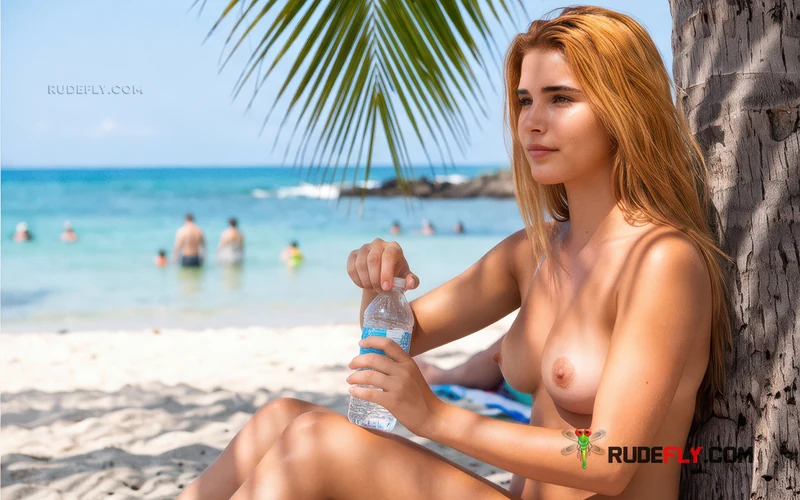
Honokohau Harbor Beach
Naturism permitted
📍 Hawaii, United States
Honokohau Harbor Beach is listed as a permissive clothing-optional beach in Hawaii with limited facilities, rocky sand and quiet harbor-side access.
≋Beach details
CountryUnited States
RegionHawaii
Naturism statusNaturism permitted
WaterbodySea / ocean
Place typeBeach
SurfaceSand mixed with rock and coral fragments
Best season04-10
01020304
05060708
09101112
📍 Map & location
DISCOVER MORE
Explore similar beaches
Location
Naturism
Beach characteristics
Overview
Honokohau Harbor Beach is reported as a permissive clothing-optional beach on the west coast of Hawaii Island near Honokohau. The listing reflects informal use rather than designated status, so discretion matters. The shoreline mixes sand with rock and coral fragments beside a small boat harbor. Conditions are generally quiet with few visitors and limited facilities. There are no toilets, showers, lifeguards, or food services reported at the beach. Access is on uneven ground with rocky sections, and parking near the harbor area is limited. Morning visits often bring calmer water and strong sun with little natural shade. Visitors usually stay briefly and bring their own supplies.
Visiting the beach
Honokohau Harbor Beach sits beside a working small boat harbor on the west side of Hawaii Island. Access is informal and follows shoreline ground that is uneven in places. The surface combines sand with rock and coral fragments. Footwear helps. Entry to the water is rocky in sections. Ocean water near the harbor can be calm in the morning and more moderate later. There is boat movement near the channel, so swimmers stay clear of harbor operations. There is no lifeguard service reported. Public shoreline access is generally expected during daytime. No admission fee is reported for beach access. No fixed hours are reported. Parking is informal near the harbor area and capacity is limited. Arrive early when boating activity increases. Public transport service in the harbor area is limited. A private vehicle is more practical. The beach has limited facilities and no developed amenities. There are no toilets or showers reported. There are no food or drink services. Bring water, sun protection, and snacks, and carry out all waste. Shade is scarce. Sun exposure is high. A hat, cover-up, and reef-safe sun care help during longer stays. Warm weather continues through the year. Summer months from April to October are generally drier and suit short visits. Morning is often the best time of day for calmer water and clearer light. Typical visits last one to two hours. Dogs are not reported as permitted on the beach area. The setting is not established as family-oriented because facilities are limited and the ground is rough.
Getting there
Access: Shoreline access near small boat harbor with uneven ground and rocky sections
Parking: Informal parking near harbor area with limited capacity
Public transport: Limited public transport service in harbor area
Accessibility: Limited accessibility with uneven surfaces and no adapted facilities reported
At the beach
Facilities
Limited facilities with no developed beach amenities reported
Naturist rules
Clothing-optional use at Honokohau Harbor Beach is reported as permissive rather than designated. Keep a low profile near harbor workers, boat crews, and other beach users. Set up away from paths, ramps, and harbor operations. Respect textile visitors and cover up when asked or when groups pass. Avoid photography of others. Keep noise low. Take all rubbish with you. Leave rocks, coral fragments, and shoreline plants undisturbed. Choose a quiet spot with distance from others and avoid drawing attention to nudity. Keep swimwear or a cover-up within reach for passing boats, workers, or families. Do not approach others without invitation and give people clear space. If the shoreline becomes busier, remain covered. Leave the area as found, with no waste, gear, or disturbance left behind.
Visitor overview
Honokohau Harbor Beach offers a plain harbor-side shoreline with mixed sand, rock, and coral fragments. Use is quiet with few visitors at most times. There are no toilets, showers, lifeguards, or food services reported. Privacy is limited because harbor activity remains visible and audible. Water entry is rocky and conditions near the channel vary. The beach suits brief, self-sufficient stops rather than full-day stays. Access follows uneven ground with rocky sections near the small boat harbor. Parking near the harbor area is limited, and public transport service is limited. Shade is scarce and sun exposure is high, so morning visits often suit short stays. Visitors bring water, sun protection, and supplies and carry out all waste. The rough surface and limited facilities mean comfort is basic.
Quick answers
Frequently asked questions
Is Honokohau Harbor Beach clothing-optional?
It is listed as permissive for clothing-optional use rather than designated. Informal use has been reported, so visitors should stay discreet and keep distance from others. Cover up near harbor workers, boat crews, and passing groups. Respect textile visitors, keep a low profile, and remain covered when the shoreline becomes busier.
What facilities are available at Honokohau Harbor Beach?
Facilities are very limited. No toilets, showers, lifeguards, or food and drink services are reported. Visitors should bring water, sun protection, and supplies and remove all waste. Shade is scarce and sun exposure is high. Parking near the harbor area is limited, and access follows uneven ground with rocky sections.
What is the beach surface and water entry like?
The surface mixes sand with rock and coral fragments. Water entry can be rocky and uneven. Footwear is useful, and care is needed near harbor channels and boat movement areas. Ocean water near the harbor can be calm in the morning and more moderate later. Swimmers stay clear of harbor operations because boat movement continues near the channel.
When is the best time to visit?
April through October is generally drier and warmer. Morning hours often bring calmer ocean water and strong sun. Shade is scarce, so early visits help limit heat exposure. Warm weather continues through the year, but summer months suit short visits. Visitors bring sun protection, a hat, and cover-up for high sun exposure.
How long do people usually stay?
Short visits of one to two hours are typical. Limited parking, scarce shade, lack of facilities, and harbor activity make brief self-sufficient stops more practical than extended stays. Visitors bring water, snacks, and sun protection and carry out all waste. Morning is often the best time of day for calmer water and clearer light.
Community
What visitors say
RUDEFLY SUNSEEKERS
Who’s into this beach?
Meet Sunseekers connected with this beach.
Be the first one to comment!
No comments yet. Be the first!
Send
Keep exploring