Beach articles today 1 / 3
Unlimited with Premium →
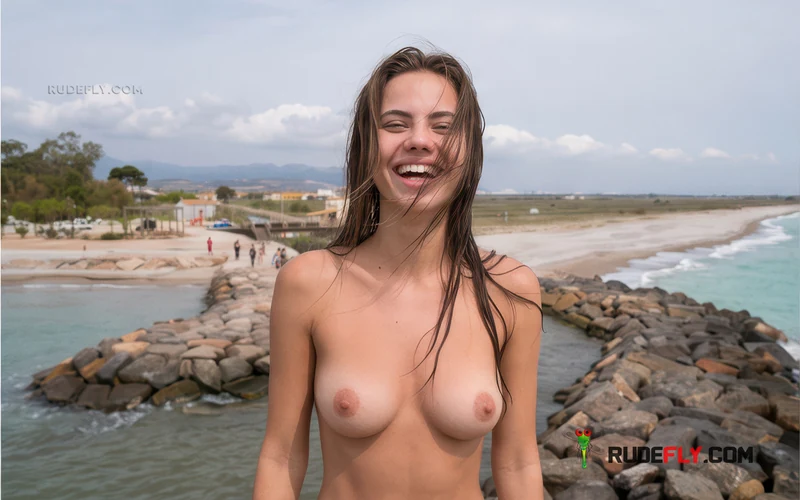
Gola de la Llosa
Reported naturist beach
📍 Valencian Community, Spain
Gola de la Llosa near la Llosa is listed as associated with naturist use. Find practical details on access, surface, facilities and setting.
≋Beach details
CountrySpain
RegionValencian Community
Naturism statusReported naturist beach
WaterbodySea / ocean
Place typeBeach
SurfaceMixed sand and gravel along channel banks and shoreline.
Best season06-09
01020304
05060708
09101112
📍 Map & location
DISCOVER MORE
Explore similar beaches
Location
Naturism
Beach characteristics
Overview
Gola de la Llosa is a coastal channel outlet near la Llosa in the Valencian Community, listed in directories as associated with naturist use. The site is not presented as an officially designated naturist beach, and visitors should expect an informal, undeveloped setting. The gola connects inland water to the Mediterranean, forming a narrow outlet with open banks of sand and gravel. Surroundings are largely unsheltered with strong sun exposure and little natural shade. There are no built facilities, shops or lifeguard services. Access is via rural tracks with a final walk over uneven ground. The area is generally quiet, suited to self-sufficient visitors seeking a simple coastal experience.
Visiting the beach
Gola de la Llosa lies on the coast near la Llosa in la Plana Baixa, where a channel meets the Mediterranean. The approach is via rural tracks from the town toward the shore, ending with a walk over natural, uneven ground of sand and gravel. There is no formal car park at the gola itself; any parking is informal and at a distance, so allow time on foot. No direct public transport serves the site, with the nearest services likely in la Llosa or neighbouring coastal towns. The place is best visited between June and September when warm, dry summer weather is typical for the Valencian coast, though midday sun is strong and shade is scarce. Mornings and late afternoons offer lower sun intensity and more comfortable conditions for walking and staying outdoors. The surface is a mix of sand and gravel along the channel banks and shoreline, without paved paths or step-free access, and the natural, unpaved terrain is not suitable for wheelchairs or limited mobility. Facilities are absent: no toilets, showers, food vendors, loungers or lifeguards, and no shops, bars or rentals are expected. Visitors should bring water, food, sun protection and a shade option, and plan to carry out all waste as no services are provided on site. The water is Mediterranean coastal water at a channel outlet, with conditions that vary by season and weather and may include currents near the mouth, and no lifeguard service is expected. Crowds are generally low, with a slight increase on warm summer weekends. As an open, unsheltered area with no gated entry and no admission fee expected, it is generally accessible during daylight, but wind and sun exposure can be notable. Plan for a short stay of one to three hours.
Getting there
Access: Reached via rural tracks from la Llosa toward the coast, with final approach on foot over uneven natural ground.
Parking: No formal car park at the gola; informal roadside parking may be found at a distance requiring a walk.
Public transport: No direct public transport to the site; nearest bus or train services likely in la Llosa or nearby coastal towns.
Accessibility: Natural, unpaved terrain with no step-free infrastructure expected; not suitable for wheelchairs or limited mobility.
At the beach
Facilities
No developed facilities; no shops, bars, loungers or rentals expected.
Naturist rules
Gola de la Llosa is reported as associated with naturist use rather than officially designated, so considerate behaviour is important. Give others space and avoid staring or photography without clear consent. Keep noise low and leave no trace, taking all belongings and litter with you. Textile and naturist visitors may share the same open area, so be tolerant and avoid crowding the channel banks. If you are new to naturism, observe local practice before undressing and remain discreet near access tracks. Respect any local signs or guidance and do not assume formal protection for naturist use. There is no evidence of legally protected status, so discretion helps keep the shared space comfortable for everyone.
Visitor overview
Visitors can expect a simple, natural outlet where a channel meets the sea, with open views and little development. The ground is sand and gravel, and the setting is exposed with strong sun and little shelter. There are no facilities, so the experience is self-directed and quiet. Water conditions change with weather and season, and no lifeguards are present. The atmosphere is generally calm and low-key, with few people outside peak summer periods. The open, unsheltered location offers limited privacy, and visits are typically short, around one to three hours depending on weather and purpose. It suits those prepared to walk in, carry supplies and enjoy an undeveloped coastal environment.
Quick answers
Frequently asked questions
Is Gola de la Llosa an officially designated naturist beach?
It is listed in directories as associated with naturist use, but there is no evidence of official designation. Expect an informal, natural coastal channel area shared with other visitors, where discretion and respect for others are important.
What is the surface and setting like?
The banks and shore are mixed sand and gravel in an open, unsheltered outlet to the Mediterranean. There is little natural shade and strong sun exposure at midday, with uneven natural ground underfoot and limited shelter from wind.
Are there facilities, toilets or lifeguards?
No. No toilets, showers, shops, rentals or lifeguard service are expected at the gola. Bring water, food, sun protection and any shade you need, and plan to carry out all waste as no bins or services are provided on site.
How do you get to Gola de la Llosa?
Access is via rural tracks from la Llosa toward the coast, ending with a walk over natural terrain. There is no formal car park at the site and no direct public transport, so private vehicle or bicycle plus walking is typical.
When is the best time to visit?
June to September offers the warmest, driest conditions typical of the Valencian coast. Mornings and late afternoons have lower sun intensity than midday. Outside summer, weather is cooler and more variable and conditions can change quickly with season and weather.
Community
What visitors say
RUDEFLY SUNSEEKERS
Who’s into this beach?
Meet Sunseekers connected with this beach.
Be the first one to comment!
No comments yet. Be the first!
Send
Keep exploring