Fire Island Lighthouse
Reported naturist beach≋Beach details
📍 Map & location
Explore similar beaches
Overview
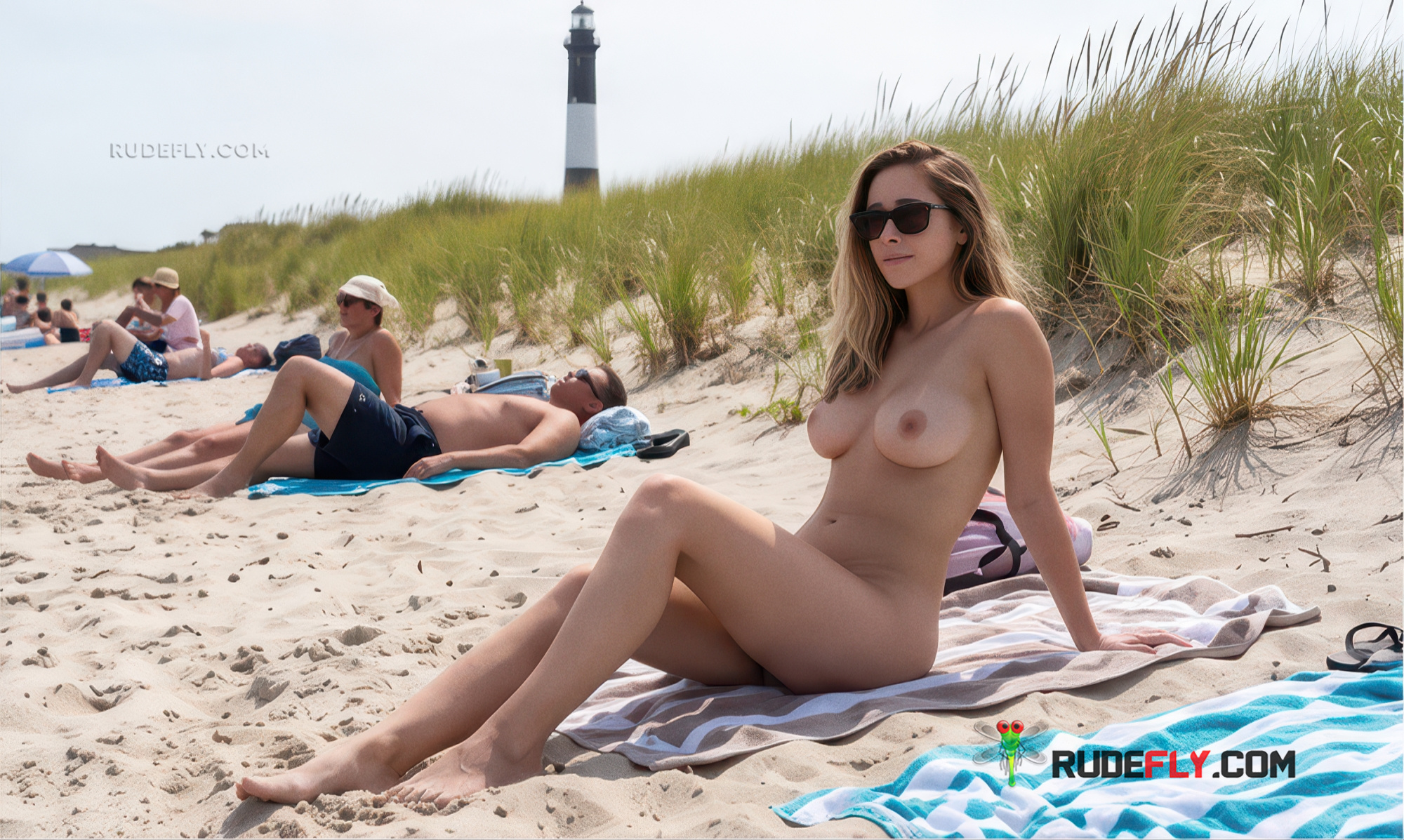
Fire Island Lighthouse is a historic lighthouse on western Fire Island, New York, listed in some directories in association with naturist use. The lighthouse grounds and tower are textile and naturism is not permitted there. Visitors come for the preserved tower, keeper's quarters exhibits and boardwalk trails that link Robert Moses State Park to the Fire Island National Seashore. The site offers elevated views over the barrier island, dunes and Atlantic shore, with interpretation of maritime history. Expect an educational stop rather than a bathing area, with ticketed tower climbs and seasonal operating periods.
Visiting the beach
Fire Island Lighthouse stands at the western end of Fire Island, reached most directly via the Robert Moses Causeway to Robert Moses State Park Field 5. From the parking area, a boardwalk and sandy trails lead to the lighthouse grounds; the walk is short but exposed, so sun protection and water are useful, especially on clear summer days when there is little shade along the route. An alternative is a seasonal ferry to Fire Island followed by a longer walk to the site, which suits visitors already spending time on the island and comfortable with walking between points. Parking fees and capacity at Field 5 vary by season and time of day, and summer weekends fill early, so arriving early in the day helps with finding space and starting the walk in cooler conditions. Public transport is indirect, with mainland buses and ferries requiring a walk to complete the journey, so checking connections and ferry schedules in advance helps avoid long waits. Opening days and hours vary by season and operator schedule, so confirming before travel is important, particularly outside summer when days and times may be reduced. Grounds access is often free while tower climbs generally require a paid ticket and compliance with staff direction, including guidance on stairs, group size and supervised access for children. The visitor center provides exhibits and a small shop, and restrooms are generally available during operating periods; showers are not a site facility and food and drink options are limited and seasonal, so bringing water and planning meals around the visit is practical. Morning visits are generally quieter and cooler, while midday in summer is busier, with more groups around the exhibits and tower. Many visits last one to three hours depending on exhibits, tower climb and trail walking, with extra time useful for reading displays and walking slowly on sand. The lighthouse itself is not a guarded swimming area, and nearby shore conditions vary by weather and season, so the site is best approached as a historic and scenic stop rather than a place for bathing.
Getting there
Access: Access via Robert Moses Causeway to Robert Moses State Park Field 5, then walk on boardwalk and sandy trails to the lighthouse; seasonal ferry to Fire Island also requires a connecting walk.
Parking: Parking at Robert Moses State Park Field 5 near the lighthouse approach; fees and capacity vary by season and time of day.
Public transport: No direct public transit to the lighthouse; seasonal ferries and mainland buses serve nearby points with a walk required to reach the site.
Accessibility: Grounds and visitor center partly accessible via boardwalks and paved paths; tower climb requires many stairs and is not wheelchair accessible.
Facilities
Naturist rules
The lighthouse is a textile historic site where naturism is not permitted on the grounds, in buildings or on the tower climb. This directory_claim listing reflects association in some sources, not a designated naturist facility. Visitors should remain clothed, follow staff direction, and keep noise low around exhibits and trails. Photography should respect other visitors and any posted rules. If you plan to visit nearby shores known for clothing-optional use, change and practice naturism only where it is clearly allowed and socially expected, and do not extend that use to the lighthouse area. Leave dunes and trails undisturbed and carry out what you bring in.
Visitor overview
Expect a calm, educational visit centered on history and views rather than swimming or sunbathing. The grounds include boardwalks, sandy paths and limited natural shade, with most of the experience exposed to sun and wind. Facilities are modest and focused on interpretation, with restrooms during operating periods and limited seasonal refreshments. Crowds are lightest on weekday mornings and heavier on summer weekends. The tower climb suits those comfortable with many stairs and supervision for children, while the grounds and exhibits suit families. Overall the lighthouse works as a short cultural stop combined with a walk in the Fire Island landscape.
Frequently asked questions
Is Fire Island Lighthouse a naturist beach?
No. It is a historic lighthouse and museum site that is textile. Some directories list it in association with naturist use, but naturism is not permitted on the grounds or in the tower. Nearby beaches have separate rules.
How do I get to the lighthouse?
Drive via the Robert Moses Causeway to Field 5 at Robert Moses State Park and walk the boardwalk and trails to the site. Seasonal ferries to Fire Island are another option, but they still require a walk to reach the lighthouse.
Do I need a ticket?
Walking the grounds is often free, while climbing the tower generally requires a paid ticket and following staff direction on access. Fees, hours and operating days vary by season and operator schedule, so check current details before you go and allow time for exhibits and the climb.
What facilities are available?
The site has a visitor center with exhibits and a small shop, plus restrooms generally available during operating periods. There are no showers or swimming facilities at the lighthouse itself, and food and drink options are limited and seasonal, so bringing water is practical.
When is the best time to visit?
June through September generally offers the fullest services and warmest weather for combining the lighthouse with trail walking. Mornings are generally quieter and cooler, while midday in summer is busier. Winter is cold and windy with reduced services, so confirming hours before travel is important.