
.jpg)
Beach articles today 2 / 3
Unlimited with Premium →
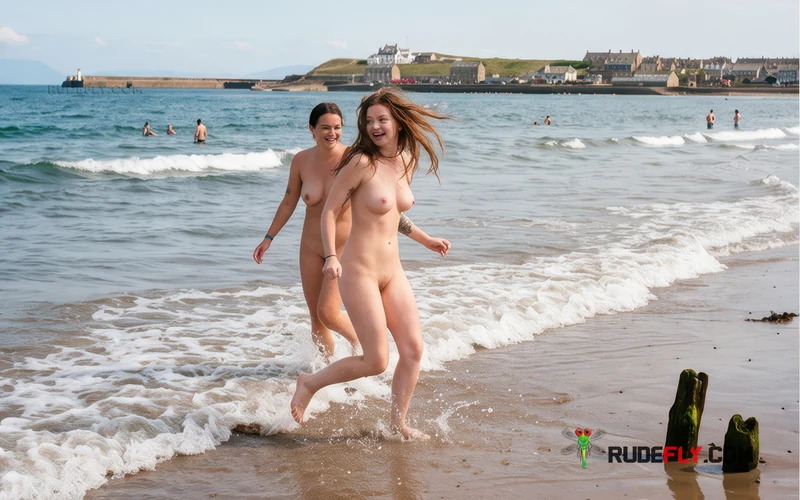
Findhorn Bay
Reported naturist beach
📍 Scotland, United Kingdom
Findhorn Bay in Moray, Scotland is listed for naturist use. Check practical notes on tides, sand shoreline, summer weather and local signage.
≋Beach details
CountryUnited Kingdom
RegionScotland
Naturism statusReported naturist beach
WaterbodySea / ocean
Place typeBeach
Surfacesand
Best season06-08
01020304
05060708
09101112
📍 Map & location
DISCOVER MORE
Explore similar beaches
Location
Naturism
Beach characteristics
Overview
Findhorn Bay in Moray, Scotland, is listed in this directory as a place reported for naturist use, without confirmed designated status. The listing reflects a directory claim rather than an official designation, so local signage and land-management information should be checked on arrival. The location is a coastal bay with tidal sea water and sandy shoreline ground, where conditions shift with weather and tide state. Visitors generally find late spring through early autumn, especially June through August, the most workable period for a shoreline visit. Daylight hours in settled weather are the most practical time to visit, with attention to wind, cloud and changing shoreline conditions. Access arrangements are not confirmed, so established shoreline access on foot should be used where available.
Visiting the beach
Findhorn Bay is a coastal bay in Moray, Scotland, in the United Kingdom, with tidal sea water and sandy shoreline ground that changes with tide state and weather. Planning around tide, daylight and weather is central to a visit, because shoreline width, ground conditions and comfort can shift through the day. Daylight hours in settled weather are generally the most practical time for the shoreline, when visibility is clearer and movement on foot is more straightforward. June through August is generally the most comfortable period, within the broader late spring through early autumn window, although Scottish coastal weather can change quickly even in mid-summer. Check the forecast before travelling and allow flexibility for wind, cloud and changing shoreline conditions, including the possibility of delaying or shortening time on the shore. Access arrangements and any local restrictions are not confirmed. Check local signage and land-management information on arrival and use established shoreline access on foot, without assuming a confirmed route or right of access beyond what is signed. Choose a position with awareness of tide state, access back from the shore, visibility and proximity to other users, and reassess that choice if tide, weather or numbers of other users change. Water conditions are coastal and tidal, with temperature, currents and suitability for bathing varying with weather and tide, so caution around the water remains appropriate. Open coastal ground can have substantial sun and wind exposure depending on exact position and weather, so sun protection, warm layers and wind protection are practical even in summer, particularly during longer periods outdoors. Naturism is recorded only as a directory claim. The local status and any accepted areas should be confirmed on site, with discreet behaviour where other shoreline users are present, including keeping distance, avoiding disturbance, and covering up where use is unclear or others are close by.
Getting there
Access: Shoreline access on foot; detailed access arrangements are not confirmed and local signage should be checked on arrival.
Naturist rules
Naturist use at Findhorn Bay is listed rather than confirmed as officially designated, so a cautious approach matters throughout the visit. Confirm the local status on site through signage and land-management information, without assuming any accepted area. Keep distance from other shoreline users, avoid staring, photography or loud behaviour, and remain dressed where use is unclear or where others are close by. Stay aware of visibility along the open bay shoreline, where sound and movement carry and cover is limited. If others arrive nearby, adjust position or cover up rather than continuing unchanged. Leave sandy ground as found and take all items away, keeping noise low and behaviour discreet so the shoreline remains comfortable for everyone present.
Visitor overview
Findhorn Bay offers an open coastal bay shoreline in Moray, Scotland, with sand and tidal sea water that varies with weather and tide state. It is listed for naturist use rather than confirmed as designated, so the directory claim should be treated with caution and checked against local signage on arrival. The practical pattern is a daylight visit in settled summer weather, with attention to tides, wind and changing shoreline conditions. June through August is generally the most comfortable window within late spring through early autumn. Visitors should check local signage on arrival and select a position carefully, with awareness of access back from the shore, visibility, and proximity to other shoreline users, adjusting or covering up where use is unclear.
Quick answers
Frequently asked questions
Where is Findhorn Bay?
Findhorn Bay is a coastal bay in Moray, Scotland, in the United Kingdom. The shoreline has sandy ground and tidal sea water, with conditions affected by weather and tide state. Access arrangements are not confirmed, so local signage should be checked on arrival for current information.
Is Findhorn Bay officially designated for naturism?
No confirmed designated status is supplied. Naturism is recorded as a directory claim, so the location is listed as reported for naturist use rather than as officially designated. Check local signage and land-management information on arrival and remain dressed where use is unclear.
When is the most practical time to visit Findhorn Bay?
Daylight hours in settled weather are generally the most practical time. Late spring through early autumn is the broader window, with June through August generally the most comfortable period for an outdoor coastal visit. Check the forecast before travelling and allow flexibility for changing conditions.
What are water conditions like at Findhorn Bay?
Water conditions are coastal and tidal. Temperature, currents and suitability for bathing can vary with weather and tide, so caution is appropriate. Open ground can also have substantial sun and wind exposure depending on position, so protection and warm layers remain practical.
What should I check before visiting for naturist use?
Access arrangements and local restrictions are not confirmed. Check local signage and land-management information on arrival, watch tides and weather, and choose a position with awareness of access, visibility and other users. Adjust position or cover up where status is unclear.
Community
What visitors say
RUDEFLY SUNSEEKERS
Who’s into this beach?
Meet Sunseekers connected with this beach.

★ FEATURED VISITOR COMMENT

Ishnllador
3 weeks ago
Absolutely love reading real human emotions.
Keep exploring








Absolutely love reading real human emotions.