Beach articles today 1 / 3
Unlimited with Premium →
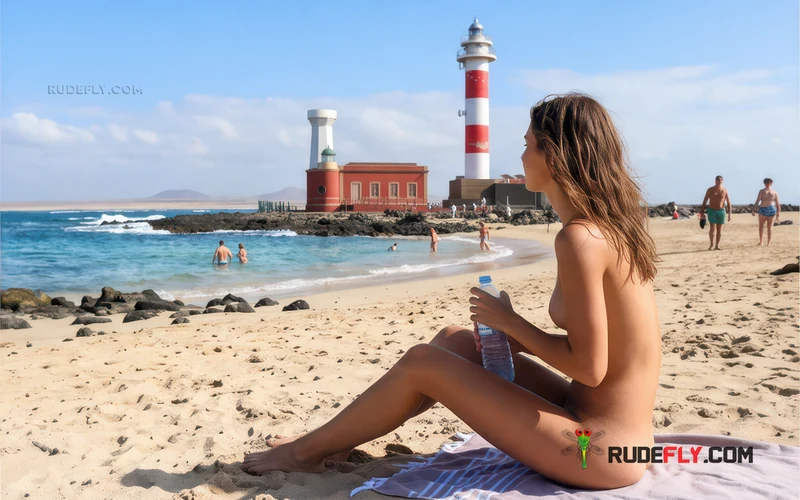
Faro Del Tostone
Reported naturist beach
📍 Canary Islands, Spain
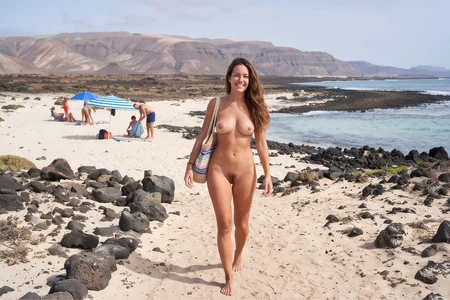
Faro del Toston is a reported naturist beach area near La Oliva, Fuerteventura, with volcanic rock coves, open Atlantic water and quiet, basic conditions.
≋Beach details
CountrySpain
RegionCanary Islands
Naturism statusReported naturist beach
WaterbodySea / ocean
Place typeBeach
SurfaceVolcanic rock platforms with pockets of sand and small stony coves.
Best season05-10
01020304
05060708
09101112
📍 Map & location
DISCOVER MORE
Explore similar beaches
Location
Naturism
Beach characteristics
Overview
Faro del Toston is a coastal area near La Oliva on Fuerteventura reported for naturist beach use. The shoreline around the lighthouse consists of volcanic rock platforms, small sandy pockets, and open Atlantic water rather than a single managed beach. Visitor numbers are generally low, and there are no developed facilities directly at the water. Access is by informal coastal paths from the nearby track and parking area. Ground is uneven with loose sand and sharp rock, so sturdy footwear helps. Conditions suit experienced independent visitors who prefer a rugged setting and carry all supplies. Wind and swell vary by day, affecting comfort and sea entry. Shade is very limited, so sun protection and water are essential even for short stays.
Visiting the beach
Faro del Toston lies on the northwest coast of Fuerteventura in the municipality of La Oliva, near the lighthouse and the settlement of El Cotillo. The coast here is a sequence of rocky ledges, stony inlets, and sandy patches facing the Atlantic Ocean. There is no single entrance or promenade. Most visitors park in the informal area near the lighthouse and continue on foot along dusty tracks and shoreline paths. Footwear suitable for rock and loose sand is useful because the ground is uneven. The area is generally quiet, especially outside peak holiday periods. Separate coves allow visitors to spread out, although coastal walkers may pass through. There are no loungers, umbrellas, kiosks, toilets, showers, or lifeguards reported at the immediate shoreline. Bring water, food, sun protection, and a means to carry waste out. Mobile reception and shade are limited. Low rock outcrops give some wind shelter but little shade. Ocean conditions change with wind and swell. Some spots may be suitable for paddling or swimming when calm, while at other times entry over rock can be difficult. Check local sea conditions before entering and avoid exposed ledges in rough water. Late spring to early autumn usually brings warmer air and more comfortable bathing, although wind remains common throughout the year. Morning and late afternoon often feel more pleasant because midday sun is strong and largely unshaded. Allow a few hours for a visit, as the lack of facilities makes longer stays logistically demanding. Private vehicle or taxi is the most practical transport option because public transport to the lighthouse area is limited.
Getting there
Access: Open rocky coastline near the lighthouse reached by short informal paths from the nearby track and parking area.
Parking: Informal parking near the lighthouse area followed by a short walk to the shore.
Public transport: Public transport is limited; access generally depends on private vehicle or taxi from La Oliva and El Cotillo.
Accessibility: Uneven natural ground with rocks and loose sand, generally unsuitable for wheelchairs or visitors with limited mobility.
At the beach
Facilities
No developed beach facilities reported at the immediate shoreline.
Naturist rules
Naturist activity at Faro del Toston is reported rather than formally designated, so considerate behaviour matters. Choose a sheltered spot away from main paths where possible. Keep clothing within reach in case walkers pass. Avoid photographing others, keep noise low, and do not occupy more space than needed. Give other visitors space and ask before starting conversation. Respect clothed visitors and fishermen who may use the same coast. Nudity is best kept to settled sunbathing spots rather than paths or parking areas. Take all litter away because there are no bins or cleaning services on the shore. Remove food scraps and hygiene items as well. Avoid moving rocks or disturbing plants. Keep dogs under control if present, and leave the cove as found for the next visitor.
Visitor overview
This shoreline suits visitors seeking a quiet Atlantic setting with minimal infrastructure. The landscape is open and windswept, with volcanic rock, sand pockets, and clear ocean water. There are no services, shade structures, or supervised swimming areas. The ground is uneven and ocean conditions can change quickly. Separate inlets allow people to spread out, although coastal walkers may pass at times. Independent adults comfortable with natural terrain and self-sufficient planning will find it most suitable. Visits of a few hours work best because water, food, and sun protection must be carried in and waste carried out. Morning and late afternoon often feel more comfortable, while midday brings strong sun. Check wind and swell before entering the water.
Quick answers
Frequently asked questions
Where is Faro del Toston?
It is a lighthouse coastal area in La Oliva on northwest Fuerteventura in the Canary Islands, Spain, near El Cotillo. Access is by track and informal shoreline paths around the lighthouse. Visitors usually park near the lighthouse and walk to rocky ledges and sandy pockets along the open Atlantic shore.
Is Faro del Toston an official naturist beach?
It is listed as a reported naturist beach area rather than a formally designated site. Naturist bathing occurs in sheltered spots, sometimes alongside clothed visitors using the same coast. Discreet behaviour is advisable. Keep to a settled place away from paths, keep clothing nearby, and respect fishermen and walkers passing through.
What are the water and surface conditions like?
Expect volcanic rock platforms, sandy pockets, and small stony coves facing open Atlantic water. Sea swell and wind vary by day and cove, so entry can be easy or difficult. Sturdy footwear and caution are advisable. Check local sea conditions before swimming and avoid exposed ledges when surf is rough or windy.
Are there facilities and lifeguards?
No toilets, showers, kiosks, loungers, or lifeguard service are reported at the shoreline. Visitors should bring water, food, sun protection, and carry out all waste after their visit. Shade and mobile reception are limited. Plan for a short self-sufficient stay and take everything needed for comfort and safety.
When is the best time to visit?
Late spring to early autumn generally offers warmer air for coastal bathing. Mornings and late afternoons are often more comfortable because midday sun is strong and shade is very limited. Wind remains common through the year. Check the forecast for wind and swell, and bring sun protection and drinking water.
Community
What visitors say
RUDEFLY SUNSEEKERS
Who’s into this beach?
Meet Sunseekers connected with this beach.
Be the first one to comment!
No comments yet. Be the first!
Send
Keep exploring