Famara
Reported naturist beach≋Beach details
📍 Map & location
Explore similar beaches
Location
Naturism
Beach characteristics
Overview
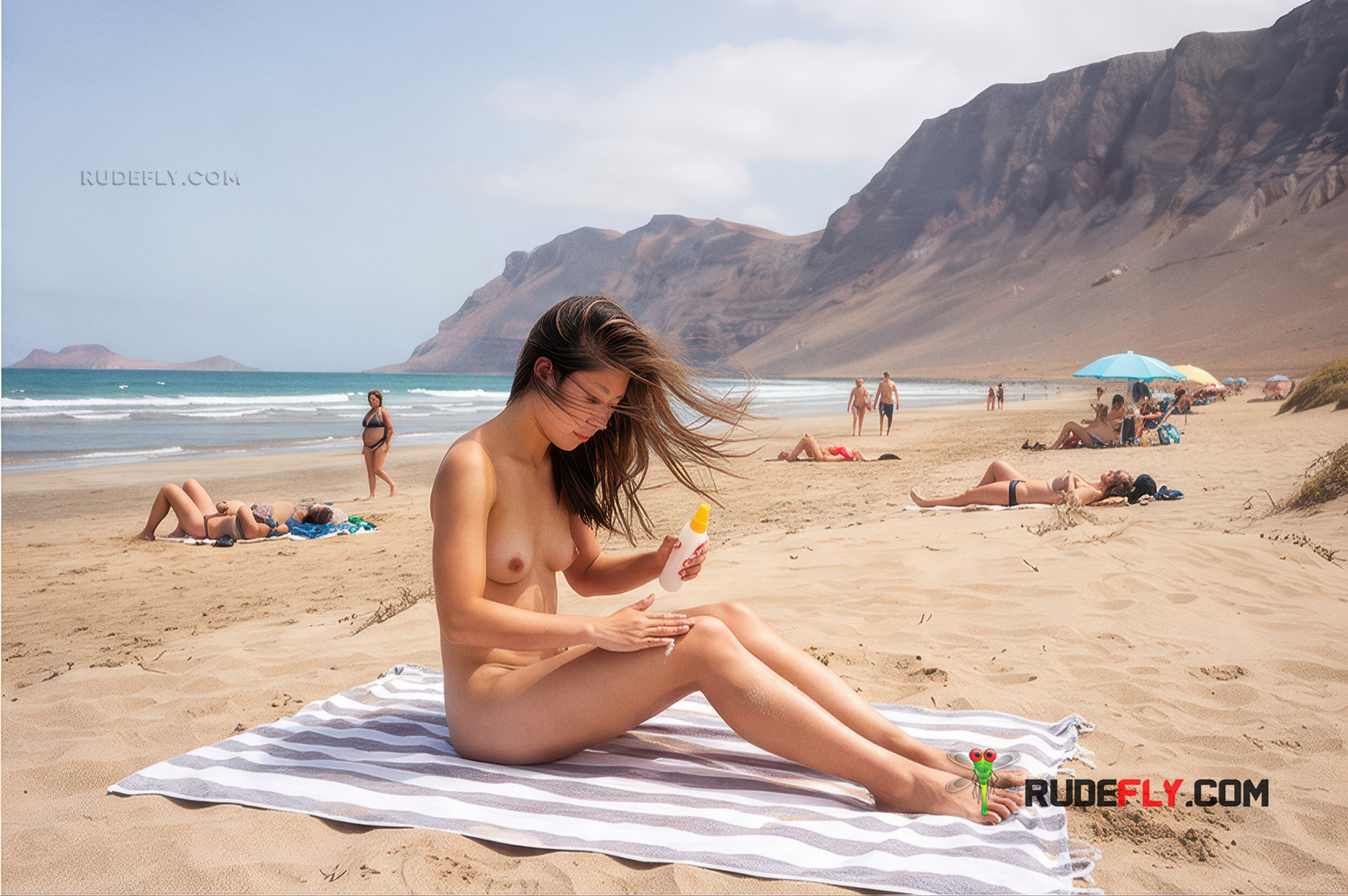
Famara is a long Atlantic sand beach on the Canary Islands coast listed for naturist use in its quieter stretches. Naturism is reported as tolerated away from the village, while textile use is more common near Caleta de Famara. The shoreline is open with no gate, backed by sand paths and dune areas that need care. Conditions are exposed, with frequent wind, waves and currents, and high sun on open sand with little natural shade. Mornings are often calmer before afternoon wind increases. There is no admission fee, few or no toilets and showers on the sand, and visits often last a few hours. Bring water, food and sun shelter, as options are limited to the village area.
Visiting the beach
Famara is a long open sand beach on the Atlantic, reached on foot from Caleta de Famara via sand paths. Access is public with no gate and no admission fee, and the beach is generally accessible throughout the day. Use established paths and respect dune areas, as the shore is wide and exposed and the surrounding ground needs care. Parking is unpaved near the village and beach tracks, and bus service reaches Caleta de Famara village, followed by a walk to the sand. The surface is sand with little natural shade and high sun exposure on the open shore, so bring sun shelter, water and food for a stay of a few hours. Facilities on the sand are few, with shops and cafes near the village and few or no toilets and showers on the open sand, so plan to carry what is needed and take rubbish away. The beach is generally quiet, with busier use near the village and quieter stretches farther along the sand where naturism is reported as tolerated. Crowds, lifeguard presence and services may vary by section and season, so expectations should allow for variation across the long shoreline. Weather is mild through much of the year, with late spring to early autumn often warmer and drier, but wind is frequent and afternoons are often windier than mornings. Mornings are often calmer before afternoon wind increases, which can make early visits more comfortable for walking and sunbathing. The Atlantic brings waves and currents that are often rough for swimming, so check conditions, stay near shore, and allow only a few hours if wind and sun become tiring. Families can use the beach when prepared for wind, waves, sun exposure and limited shade and limited facilities. Dog rules may vary by section and season and are not clearly established, so verify locally before bringing animals.
Getting there
Access: Open shoreline reached on foot from Caleta de Famara via sand paths
Parking: Unpaved parking near the village and beach tracks
Public transport: Bus service to Caleta de Famara village then walk to the sand
Accessibility: Uneven soft sand with limited adapted access
Facilities
Naturist rules
Naturism at Famara is reported as tolerated in quieter stretches, with textile use more common near the village. Walk a little farther from access points and main village areas before undressing and leave space between groups along the wide sand. Keep noise low and avoid staring or photography of others, allowing quieter sections to stay relaxed. Use established sand paths and respect dune areas rather than crossing sensitive ground, as the surrounding dunes need care. Take all rubbish away, as facilities on the sand are few and there are few or no toilets and showers on the open sand. Cover up when using shops and cafes near the village, and expect more textile use around Caleta de Famara. Allow for variation by section and season, and follow the calmer, more spaced approach used in the quieter stretches.
Visitor overview
Famara suits visitors seeking a wide Atlantic sand beach with room to find a quieter spot. The setting is open and windy, with waves and currents that often make swimming rough and with frequent afternoon wind. Expect high sun, little shade, and few facilities on the sand, with shops and cafes only near the village. Visits often last a few hours, centered on walking, sunbathing and watching sea conditions in the exposed coastal setting. Naturism is reported as tolerated in quieter stretches, while areas near the village feel more textile and social. The beach is generally quiet away from the village, though crowds and services may vary by section and season.
Frequently asked questions
Where is naturism tolerated at Famara?
Naturism is reported as tolerated in quieter stretches away from the village and main access points. Textile use is more common near Caleta de Famara, so walk a little farther along the wide sand, allow distance before undressing, and leave space between groups.
Is there an admission fee or gate?
No admission fee is expected and there is no gate on the open shoreline. The beach is public sand reached on foot from Caleta de Famara via established paths, with care needed around dune areas and with access generally available throughout the day.
What are sea and wind conditions like?
Expect exposed Atlantic conditions with frequent wind, waves and currents that often make swimming rough. Mornings are often calmer before afternoon wind increases, so early visits can feel more comfortable, though wind, waves and high sun remain common on the open sand.
Are there toilets, showers, food and shade?
There is little natural shade and few or no toilets and showers on the open sand. Bring water, food and sun shelter for a stay of a few hours, as shops and cafes and other limited options are only near the village and facilities on the sand are few.
When is the best time to visit Famara?
Conditions are mild through much of the year, with late spring to early autumn often warmer and drier for visits. Morning visits are often calmer before afternoon wind increases, and many stays last a few hours centered on walking and sunbathing in high sun.