Beach articles today 1 / 3
Unlimited with Premium →
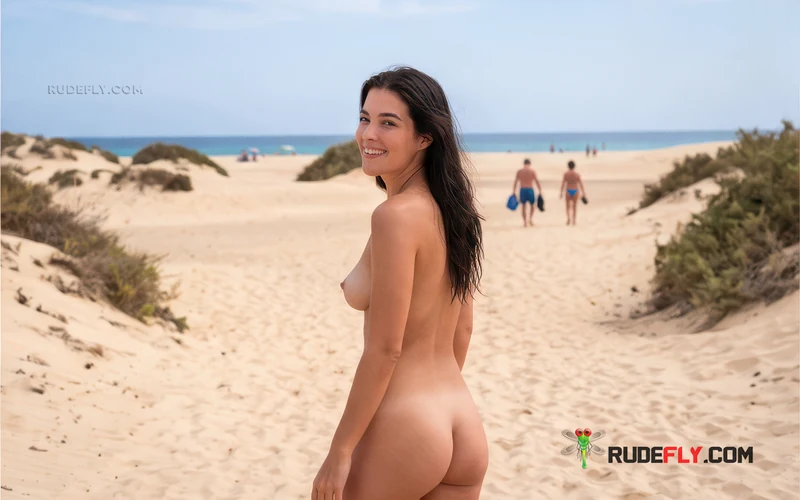
Dunas de Corralejo
Naturism permitted
📍 Canary Islands, Spain
Dunas de Corralejo on Fuerteventura is a vast Atlantic beach and dune system where naturist use is tolerated in quieter sections south of the town access.
≋Beach details
CountrySpain
RegionCanary Islands
Naturism statusNaturism permitted
WaterbodySea / ocean
Place typeBeach
Surfacesand
Best season05-09
01020304
05060708
09101112
📍 Map & location
DISCOVER MORE
Explore similar beaches
Location
Naturism
Beach characteristics
Overview
Dunas de Corralejo is a sweeping stretch of white dunes and Atlantic coastline on the northeastern tip of Fuerteventura in the Canary Islands. Naturist use is reported as tolerated in the quieter sections further south from the main town access, while the northern area near Corralejo sees predominantly textile visitors. The landscape is defined by shifting sand, open sky, and a persistent trade wind that keeps the air fresh even in peak summer. The dune area extends several kilometres along the coast, providing enough space that a walk south from the entrance quickly reduces the number of people around.
Visiting the beach
Getting there is straightforward from Corralejo town. The nearest beach access lies a short walk or drive south along the road that threads through the dune park, with the coastal path offering a direct walking line from the town centre. On summer afternoons, roadside parking near the entrance fills quickly, so arriving before midday or using the local bus from town is worth planning around. Parking is concentrated near the main access points at the northern end, and summer demand means early arrival gives a wider choice of roadside space. Once you cross the initial sand, the dunes open into a wide, mostly flat landscape with no shade structures. Sand makes walking slower beyond the first firm sections, and progress south takes steady effort in soft patches and light wind-blown ridges. Bring water, sun protection, and a wind-resistant cover, along with any food or snacks needed for the stay, since there are no services within the dune area itself. The water is Atlantic and active, with waves and occasional currents that shift with the wind and tide, so swimming awareness remains advisable. Further south the coastline becomes rougher and less visited, with fewer people and more open dune depressions between ridges. Basic public toilets exist near the northern access point, but nothing deeper into the dune area, so plan accordingly before walking south. The best light for photography and comfortable walking falls in the morning or late afternoon when the wind eases slightly and the sun angle is lower, and reflection off the white sand stays strong even when the air feels cooler. There is no entry fee, and the area is open at all hours, though the exposed landscape is not practical for night visits.
Getting there
Access: Reached from the town of Corralejo by walking south along the coastal path or by car via the road through the dune park
Parking: Paid or free roadside parking available near the main access points at the northern end of the dunes
Public transport: Local bus services connect Corralejo to the dune area; the main beach access is within walking distance of the town centre
Accessibility: Sand surfaces make wheelchair and stroller access difficult beyond the initial paved sections near the town entrance
At the beach
Facilities
Some beach services near the northern access point; the central and southern dune sections have minimal built infrastructure
Naturist rules
Naturist use at Dunas de Corralejo is permissive rather than formally designated, with no formal legal designation as a nudist beach. The expectation is straightforward: choose your spot, set a towel down on the sand, and keep your conduct discreet in any area where textile families are present. The northern entrance near town sees more mixed use, so those preferring full nudity will find more space by walking south into the quieter dune stretches. Wind and sun exposure mean that practical considerations like carrying a cover or shade setup benefit everyone regardless of clothing choices. Giving other groups space, keeping noise low, and dressing where paths narrow near access points helps keep tolerant mixed use comfortable for all.
Visitor overview
The dominant impression of Dunas de Corralejo is openness. White sand stretches in every direction, the Atlantic sits flat and blue to the west, and the wind keeps everything moving. On busy summer days the northern sections near Corralejo are populated, but the scale of the dunes means a short walk south disperses the crowd entirely. Families, wind-kite users, and sunbathers share the space with no single group dominating. The atmosphere is relaxed and low-key, shaped more by the natural environment than by any built-up beachfront development. Further south, ridges and hollows break the line of sight, so the sense of space increases with distance from the town access while the sand, light, and wind remain constant.
Quick answers
Frequently asked questions
Is Dunas de Corralejo officially a naturist beach?
No. The area is listed as permissive for naturism. There is no formal legal designation as a nudist beach. Naturist use is tolerated, particularly in the less crowded southern stretches, while textile visitors use the northern sections near town without conflict.
How far south should I walk to find quieter naturist space?
Even a ten to fifteen minute walk south of the main entrance reduces visitor density noticeably. The dune system extends for kilometres, and the further you go from the town access the fewer people you encounter, with more sheltered depressions between dunes offering natural privacy.
Are there lifeguards on the beach?
Seasonal lifeguard presence is likely at the sections nearest the town access. Further along the coast into the dune area, the beach is unpatrolled. The Atlantic water here carries waves and currents, so swimming awareness is advisable regardless of supervision.
Can I bring a dog to Dunas de Corralejo?
Dune areas within protected natural park zones commonly restrict or prohibit dogs. Local signage at the entrance should be checked on the day of your visit. Even where dogs are allowed, the exposed sand and strong sun make conditions uncomfortable for animals.
What should I bring for a full day at the dunes?
Water in quantity, sun protection, a wind-resistant cover, and any food or snacks you need. There are no services within the dune area itself, and the exposed terrain offers no shade. The combination of wind and reflection off white sand increases sun intensity beyond what the air temperature alone suggests.
Community
What visitors say
RUDEFLY SUNSEEKERS
Who’s into this beach?
Meet Sunseekers connected with this beach.
Be the first one to comment!
No comments yet. Be the first!
Send
Keep exploring