Beach articles today 1 / 3
Unlimited with Premium →
≋Beach details
CountryAustria
RegionVienna
Naturism statusReported naturist beach
WaterbodyRiver
Place typeRiver beach
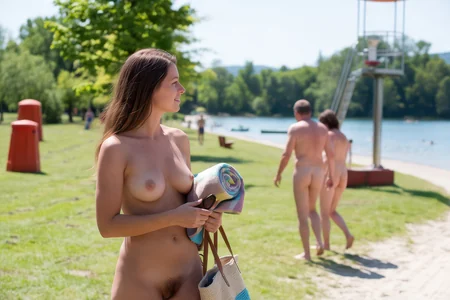
SurfaceMixed grass areas and gravel or sandy riverbank sections near designated swimming areas.
Best season06-08
01020304
05060708
09101112
📍 Map & location
DISCOVER MORE
Explore similar beaches
Naturism
Beach characteristics
Overview
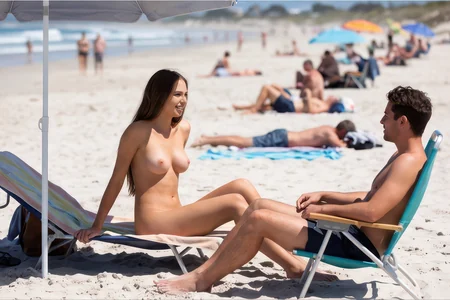
Donauinsel is listed for FKK use in marked sections along its Danube and New Danube banks in Vienna. These marked FKK bathing areas sit alongside separate textile swimming sections, sports grounds, paths and food outlets. The island is long and narrow, so conditions change from one section to another, with grass sunbathing areas, open riverbank ground and developed service points. Access is free and openly available, which makes half-day or full-day visits common in summer. Mornings are generally quieter, while warm afternoons bring more people to the water, so arriving early can mean more space before peak hours.
Visiting the beach
Donauinsel stretches for several kilometres through Vienna, so planning the section matters more than planning the island as a whole. Visitors arrive on foot, by bicycle or by Vienna public transport, then follow island paths to the chosen bathing section. Marked FKK areas are separated from textile bathing areas, family zones, playgrounds and main cycling routes. Signs on site show where FKK use begins and ends, and those boundaries should be respected. The island itself has no general admission fee, and the FKK sections are openly accessible without fixed opening hours. Developed sections provide public toilets, showers and seasonal kiosks or restaurants. Less developed banks have fewer services, so water, sun protection, towels and food may need to be carried in. Surfaces combine grass sunbathing lawns with gravel or firm riverbank ground near marked swimming areas. Much of the area is open, with high sun exposure and only limited tree shade in places. Swimming takes place in marked areas along the Danube and New Danube sides. Many sections are unsupervised, so swimmers should stay within marked areas, assess currents and depth, and avoid unfamiliar entry points. Dogs are accepted only in marked zones, with controls varying by section. Warm summer afternoons are the busiest period, especially on weekends. Weekday mornings offer more space and easier parking. Because facilities are concentrated in developed sections, checking maps and signs before settling helps avoid repeated walking with equipment. Carrying drinking water and sun protection remains sensible because shade is limited and kiosks are seasonal in some sections.
Getting there
Access: Open public island reached on foot, by bicycle and by public transport, with paths leading to marked FKK bathing areas and separate textile areas.
Parking: Public parking is available near island access points and developed recreation sections, with demand higher in warm weather.
Public transport: Served by Vienna public transport with stations near the island and walking or cycling connections to bathing areas.
Accessibility: Main paths are generally level, while grass banks, gravel areas and water entries may be uneven and unsupervised.
At the beach
Facilities
Developed sections have public toilets, showers, seasonal kiosks and restaurants near bathing areas.
Naturist rules
FKK use belongs only inside marked FKK sections on Donauinsel. Dress before returning to shared paths, playgrounds, restaurants and textile bathing areas. Set up with reasonable distance from others, keep noise low and avoid staring or unwanted photography. Take rubbish away where bins are full, keep dogs only where permitted and under control, and follow posted swimming and safety signs. Families use nearby sections, so calm and respectful behaviour matters throughout the day. Leave sunbathing spots clean for the next visitors, avoid blocking narrow bank entries, and keep swim areas clear for others entering the water. If unsure about boundaries, check signs again before undressing.
Visitor overview
Donauinsel suits visitors who want a free, easily reached FKK bathing area within Vienna rather than a secluded site. Expect grass lawns, riverbank swimming sections, toilets and showers in developed areas, plus seasonal food outlets. Open ground means strong sun and limited privacy. Summer weekends are lively and social, while mornings and shoulder-season days feel calmer. Staying inside marked FKK boundaries keeps the visit smooth. Paths for walking and cycling link the sections, so choosing a section near suitable facilities reduces extra walking with equipment. Bringing water, sun protection and towels remains practical where services are limited. Weekday visits often feel easier than busy weekend afternoons.
Quick answers
Frequently asked questions
Where are the FKK sections on Donauinsel?
FKK use is limited to marked FKK sections along the island. Separate textile bathing areas, paths and playgrounds remain textile. Follow on-site signs because sections and boundaries can change. Check maps and signs on arrival to confirm where FKK use begins and ends before settling.
Is there an admission fee for Donauinsel FKK areas?
No general admission fee applies to the island or FKK bathing areas. Visitors pay only for optional food, drinks, rentals or transport. Services are concentrated in developed sections and may be seasonal. Carrying water and supplies remains useful where kiosks are closed or distant from bathing spots.
When is the best time to visit Donauinsel for swimming?
June through August usually brings the warmest water and air for swimming and sunbathing. Mornings are quieter, while warm afternoons are busier. Spring and autumn are cooler and winter is cold. Weekday mornings often offer more space, while warm weekend afternoons bring the largest crowds to the water.
What facilities are available near the bathing areas?
Developed sections have public toilets, showers and seasonal kiosks or restaurants. Less developed banks have limited services. Much of the bathing ground is open with limited shade, so bring sun protection. Grass lawns and firm riverbank ground vary by section, so suitable footwear and towels make settling in easier.
Is Donauinsel suitable for families and dogs?
Families use the island widely, with family-oriented areas separate from marked FKK sections. Dogs are accepted only in marked zones, with rules varying by section. Check local signs before entering with children or dogs. Staying inside signed boundaries and keeping noise low helps shared sections work for all visitors.
Community
What visitors say
RUDEFLY SUNSEEKERS
Who’s into this beach?
Meet Sunseekers connected with this beach.
Be the first one to comment!
No comments yet. Be the first!
Send
Keep exploring