Beach articles today 1 / 3
Unlimited with Premium →
♂♀ Caletón Blanco
Reported naturist beach
📍 Canary Islands, Spain
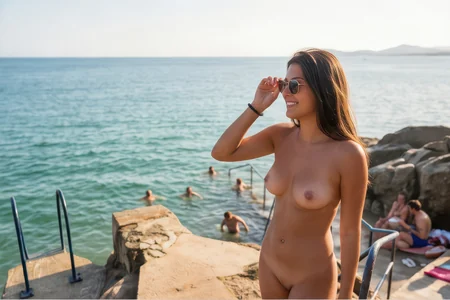
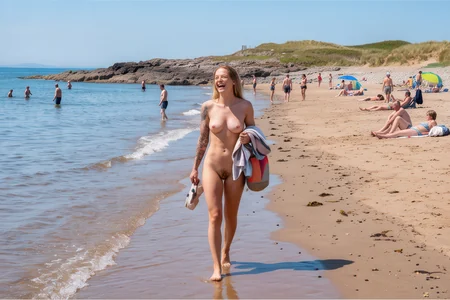
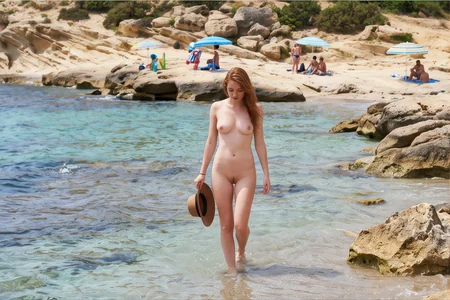
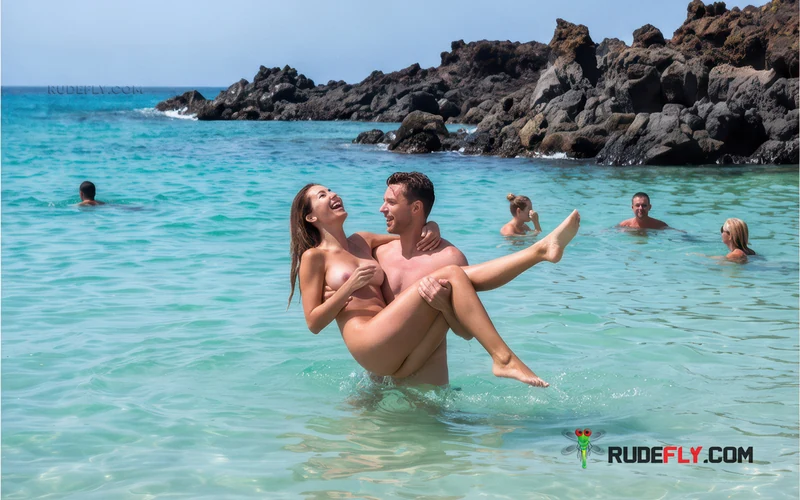
Caletón Blanco is a white-sand cove in northern Lanzarote listed for naturist use, with shallow pools, open sea and no facilities. Plan a self-sufficient visit.
≋Beach details
CountrySpain
RegionCanary Islands
Naturism statusReported naturist beach
WaterbodySea / ocean
Place typeBeach
Surfacewhite sand with volcanic rock
Best season05-10
01020304
05060708
09101112
📍 Map & location
DISCOVER MORE
Explore similar beaches
Location
Naturism
Beach characteristics
Overview
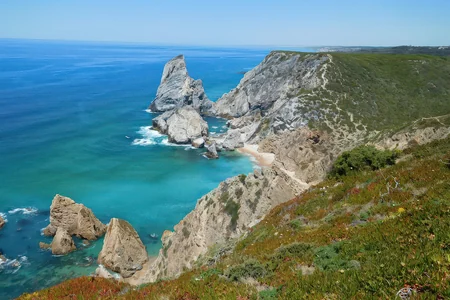
Caletón Blanco is a coastal cove in northern Lanzarote listed for naturist use, with white sand, volcanic rock and shallow coastal pools. The record carries a source claim for naturism, so practice varies by day and section and mixed use should be expected. The shoreline near Haría, in Las Palmas, Canary Islands, is open and exposed, with limited natural protection from sun and wind. Conditions change with tide, swell and wind, so calm daylight visits are the most practical. There are no developed facilities, toilets, showers, food outlets or lifeguards, and natural shade should not be assumed.
Visiting the beach
Caletón Blanco sits on the northern Lanzarote coast in the Canary Islands, near Haría in the province of Las Palmas. Access is by local road, followed by a short walk over white sand and volcanic rock to the shoreline. Parking is informal on unpaved ground near the access point. Public transport is limited, so most visitors arrive by private vehicle. The terrain is uneven, with soft sand, rock slabs and shallow pool edges, and there is no adapted access for wheelchairs. The best period for comfort is generally May to October, when northern Lanzarote keeps its mild, dry subtropical pattern. Wind can affect beach comfort at any time of year, and sun exposure is strong on the open shoreline. Daylight visits in calm weather and suitable tide conditions are the most practical for using the shallow coastal pools. Water includes sheltered-looking pools and exposed coastal water connected to the sea. Both can change with tides, swell and wind, so conditions should be assessed on arrival. Swimming is condition-dependent rather than consistently calm. There are no lifeguards, toilets, showers, shops or rentals. Visitors need to bring drinking water, food, sun protection, wind protection and suitable footwear for rock. Visit length is flexible for each visitor and depends on weather, tide, swimming conditions and personal comfort. Crowds are generally low, with more people possible on calm summer days. Because the destination record carries a source claim for naturism without verified site-specific rules, observe local practice, keep distance from others and avoid assuming designated status.
Getting there
Access: Reached by local road with a short walk over sand and volcanic rock to the shoreline.
Parking: Informal unpaved parking near the access point.
Public transport: Public transport access is limited; most visitors arrive by private vehicle.
Accessibility: Uneven sand and rock surfaces with no adapted access; not suitable for wheelchairs.
At the beach
Facilities
No developed facilities at the cove; visitors need to bring water and supplies.
Naturist rules
Naturism at Caletón Blanco is reported rather than confirmed as designated, so discreet and considerate conduct matters. Set up with space from other groups, keep noise low and avoid photographing people. Allow extra room where the open shoreline limits privacy and choice of spot affects others nearby. Swimwear may be present on some days, so read the situation before undressing. Pause before undressing, watch local practice on arrival, and remain dressed where the mixed situation is unclear. Keep the white sand and pools clean, take all rubbish away and avoid moving rocks or disturbing pool edges. Leave pool edges and rock surfaces as found, carry out everything brought in, and keep voices down through the visit. Supervise children near water because depths and currents change with tide and swell. Stay close to children at pool edges and open water because conditions shift with tide, swell and wind.
Visitor overview
Caletón Blanco suits self-sufficient visitors who accept an open, facility-free cove with sand, rocks and changing coastal water. Expect quiet conditions, strong sun and possible wind, plus shallow pools that are best in calm daylight and suitable tides. Terrain stays uneven across soft sand, rock slabs and pool edges, so sturdy footwear and careful movement help. Bring water, food, shade and sturdy footwear, and assess tide, swell and wind on arrival. Visit length remains flexible around weather, tide and personal comfort. Naturist use is listed but not verified as official, so mixed use and variable privacy should be expected across the open beach area. Observe local practice, keep distance from others, and avoid assuming designated status.
Quick answers
Frequently asked questions
Is Caletón Blanco a naturist beach?
Caletón Blanco is listed with a source claim for naturism, but official designated status is not verified here. Naturist use is reported, mixed textile use can occur, and visitors should follow local practice and signs on arrival.
What is the beach surface like?
The cove combines white sand pockets with volcanic rock and shallow coastal pool edges across the open cove. Footwear helps on rock, and natural shade should not be expected. Surfaces can be uneven and slippery near water.
Are there facilities, toilets or lifeguards?
No developed facilities, toilets, showers, food outlets or lifeguard service are available at the cove. Visits need to be self-sufficient with water, food, sun protection and first-aid supplies for the full visit. Visitors should plan carefully and carry everything needed throughout the day without expecting resupply.
When is the best time to visit?
May to October generally offers the mildest beach weather in northern Lanzarote. Wind can affect comfort in any month. Daylight visits in calm weather and suitable tide conditions are most practical for the shallow coastal pools.
Is the water safe for swimming?
Water includes shallow coastal pools and open sea that change with tide, swell and wind. Conditions should be checked on arrival. Rocky sections and exposure require extra care, and children need close constant supervision near water.
Community
What visitors say
RUDEFLY SUNSEEKERS
Who’s into this beach?
Meet Sunseekers connected with this beach.
Be the first one to comment!
No comments yet. Be the first!
Send
Keep exploring