Beach articles today 1 / 3
Unlimited with Premium →

Cala Culleró
Reported naturist beach
📍 Costa Brava, Spain
Cala Culleró is a small rocky cove near Cadaqués listed for naturist use. Find access, quiet atmosphere, no facilities and practical tips for visiting.
≋Beach details
CountrySpain
RegionCosta Brava
Naturism statusReported naturist beach
WaterbodySea / ocean
Place typeBeach
Surfacerock with pebbles and coarse sand
Best season06-09
01020304
05060708
09101112
📍 Map & location
DISCOVER MORE
Explore similar beaches
Location
Naturism
Beach characteristics
Overview
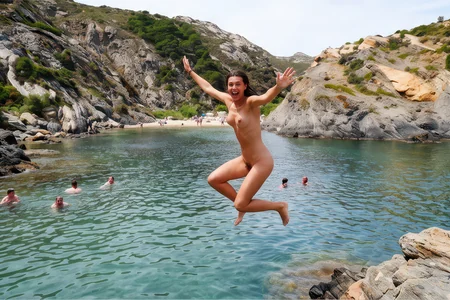
Cala Culleró is a small cove on the Costa Brava reported for naturist use, near Cadaqués in Catalonia. The shore combines rock with pebbles and coarse sand beside clear Mediterranean water. It is generally quiet with few visitors and no facilities at the cove. Access is on foot by rough coastal path and also possible from the water by boat. The setting is fairly private but exposed, with very little natural shade and strong summer sun. Visits are usually short stays of a few hours for swimming and sunbathing, best in June to September. Morning and early afternoon bring more sun and often calmer water, while sturdy footwear helps on uneven rock.
Visiting the beach
Cala Culleró sits on the Costa Brava coast in Catalonia, near Cadaqués, within the Girona area. It is a small cove rather than a long beach, with rock platforms mixed with pebbles and coarse sand. The water is part of the Mediterranean Sea and is usually clear, with a rocky entry underfoot. Conditions are generally calm in settled weather, though wind can change the sea quickly. There is no admission fee expected and no gate or controlled entry. There are also no set opening hours because it is a natural open cove. There is no lifeguard service expected, no toilets or showers, and no food or drink available at the cove. Visitors should bring water, food, sun protection, swim footwear and a bag for rubbish. Morning and early afternoon give more sun on the cove and often calmer water. Summer brings warm dry weather, while spring and autumn are milder and winter is cooler and windier. The cove has very little natural shade and strong sun exposure during midday in summer. Access is on foot by rough coastal path with uneven rocky terrain and steep sections. It is not wheelchair accessible. There is no parking at the cove, so visitors use parking in surrounding coastal areas and walk in. There is no direct public transport to the cove. The cove can also be approached from the water by boat. It is less suited to small children because of rocky access and lack of facilities. Allow extra time, wear sturdy footwear, and take care on wet rock edges. Stays are usually short visits of a few hours for swimming and sunbathing in the fairly private but exposed setting. The atmosphere is generally quiet with few visitors, so comfort depends on planning and carrying supplies. Rock shelter offers only limited cover from sun and wind.
Getting there
Access: reached on foot by rough coastal path and also accessible from the water by boat
Parking: no parking at the cove; visitors use parking in surrounding coastal areas and walk in
Public transport: no direct public transport to the cove
Accessibility: not wheelchair accessible due to uneven rocky terrain and steep path sections
At the beach
Facilities
no facilities at the cove
Naturist rules
Naturism at Cala Culleró is reported rather than formally signed, so keep behaviour discreet and respectful throughout a visit. Set up with generous space from others because the small cove fills quickly and sound carries across rock. Keep noise low and avoid blocking narrow access points or shared entry spots into the water. Use a towel on rock surfaces for comfort and hygiene. Ask before taking photographs and avoid including other people in any images. Take all rubbish away because there are no bins or services at the cove. Clothing-optional use may mix with textile visitors, so read the situation on arrival and avoid drawing attention. If uncertain, follow the lead of those already settled and keep cover available.
Visitor overview
Cala Culleró suits visitors seeking a quiet, simple cove experience on the Costa Brava near Cadaqués. Expect rock platforms mixed with pebbles and coarse sand beside clear Mediterranean water with rocky footing. The atmosphere is usually calm and secluded, with short stays of a few hours focused on swimming and sunbathing. Access needs effort on foot by rough coastal path with uneven terrain, or approach from the water by boat. Comfort depends on bringing water, food, sun protection and sturdy footwear because no facilities are expected at the cove. There is very little natural shade and strong midday sun in summer. It is a practical choice for independent adults comfortable with rocky access rather than families needing services or easy entry.
Quick answers
Frequently asked questions
Where is Cala Culleró?
Cala Culleró is a small coastal cove on the Costa Brava in Catalonia, Spain, near Cadaqués in the Girona area. It lies on the Mediterranean coast with rock, pebbles and coarse sand. The cove is reached on foot by rough coastal path with uneven rocky sections, and it can also be approached from the water by boat.
Is Cala Culleró used for naturism?
Cala Culleró is listed as reported for naturist use, without formal posted rules known. Visitors should expect discreet clothing-optional use that may mix with textile visitors, especially during summer. Behaviour should stay low-key and respectful, with space from others. If uncertain on arrival, observe settled visitors before choosing where to set up.
What is the beach surface and water like?
The shore combines rock platforms with pebbles and coarse sand rather than soft sand, so footing is uneven. The sea is clear Mediterranean water with rocky entry underfoot, generally calm in settled weather. Wind can change conditions quickly. Swim footwear helps on sharp rock, and care is needed on wet edges when entering or leaving the water.
Are there facilities or lifeguards?
No facilities are expected at the cove, including toilets, showers, food, drink or lifeguard service. There is also no parking at the site and no direct public transport, so visitors use surrounding coastal parking and walk in. Bring water, food, sun protection, sturdy footwear and a bag for rubbish, as there are no bins.
When is the best time to visit?
June to September usually offers the warmest and driest conditions for swimming and sunbathing at the cove. Morning and early afternoon bring better sun on the shore and often calmer water. Shoulder seasons in spring and autumn are quieter but milder, while winter is cooler and windier and less suited to long stays.
Community
What visitors say
RUDEFLY SUNSEEKERS
Who’s into this beach?
Meet Sunseekers connected with this beach.

Be the first one to comment!
No comments yet. Be the first!
Send
Keep exploring