Beach articles today 1 / 3
Unlimited with Premium →

Φιλάκι
Customary naturist beach
📍 Region of Crete, Greece
Filaki Beach on Crete's south coast is listed for customary naturist use on a pebble bay with clear water. Details on access, facilities and what to bring.
≋Beach details
CountryGreece
RegionRegion of Crete
Naturism statusCustomary naturist beach
WaterbodySea / ocean
Place typeBeach
Surfacepebbles and coarse sand
Best season05-10
01020304
05060708
09101112
📍 Map & location
DISCOVER MORE
Explore similar beaches
Location
Naturism
Beach characteristics
Overview
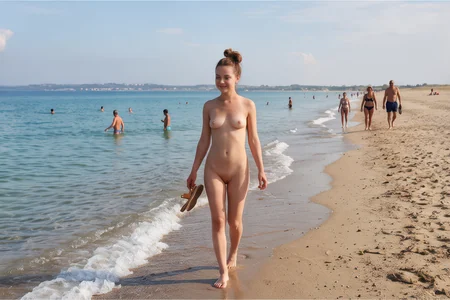
Filaki Beach on the south coast of Crete near Sfakia is listed for customary naturist use on a quiet pebble bay. The beach is known among naturist visitors for its secluded setting and clear water on the Libyan Sea. Backed by steep slopes and reached by a short path from the road, it has no development and retains a simple, natural character. The shore is pebbles and coarse sand, the sea is typically clear, and use remains low-key with both naturist and textile visitors present. There is no shade, no services and no lifeguard, so visitors bring water, sun protection and sturdy footwear for the uneven ground and warm pebbles under midday sun.
Visiting the beach
Filaki Beach lies east of Chora Sfakion on the Sfakia coastline, facing the Libyan Sea. Access is on foot via a short uneven path that drops from the road above to the shore. The ground is loose in places and the final approach is over pebbles, so sturdy footwear is practical and the route is not wheelchair accessible. There is no direct public transport to the cove; regional buses serve villages in the Sfakia area but you will need a car or taxi for the last section and then walk in. Parking is informal along the roadside above the beach. There are no facilities at the beach. No shops, tavernas, toilets, showers or lifeguard service are provided, and shade is very limited. Bring water, food, sun protection and any shelter you need, and take all waste out with you. The surface is pebbles and coarse sand both on the beach and in the shallow water, so water shoes make swimming and wading more comfortable. The sea is generally clear with a pebbly seabed. Conditions are often calm in the morning and can become choppy when southerly winds develop. Sun exposure is high throughout the day due to the lack of natural shade. The best months for swimming are May through October, when weather is warm and dry and the sea warms through late summer. Mornings and late afternoons are usually the most comfortable for a longer stay. Visits are typically a few hours for swimming and sunbathing, as there is no infrastructure to support a full day without self-supply. Access is open at all times with no fee or booking, and there is no lifeguard cover. Dogs have no specific published policy, and the remote, unserviced setting makes the bay less suited for families needing amenities.
Getting there
Access: Reached on foot via a short uneven path from the road above, with a descent to the shore
Parking: Informal roadside parking above the beach, followed by a short walk down
Public transport: No direct public transport to the beach; limited regional buses serve nearby villages
Accessibility: Not wheelchair accessible due to uneven path and pebble surface
At the beach
Facilities
none
Naturist rules
Naturism at Filaki Beach is customary rather than formally designated, and textile use also occurs. Visitors generally maintain a respectful, low-key approach. Choose a spot with reasonable distance from others, avoid staring or photography of other people, and keep noise low. If you are new to naturist use, observe how others are settled before undressing and be prepared to cover up if you move to areas where textile visitors are present. Give families and other groups extra space, ask before starting conversation, and keep swimwear handy for the path and roadside. Take all belongings and litter with you, as there are no bins or services, and avoid leaving items that mark or damage the natural shore.
Visitor overview
Filaki Beach suits visitors looking for a simple, undeveloped bay with clear water and a quiet atmosphere. The pebble and coarse sand shore, lack of facilities and short walk in keep numbers low even in summer. Expect high sun, very little shade and no toilets, showers or food options, so self-sufficiency is essential. The water is clear and inviting for swimming when the sea is calm, though southerly winds can create waves. The setting feels secluded but is not fully enclosed, so a degree of privacy is balanced with occasional passers-by on the path or at sea. Sturdy footwear helps on the pebbles, and mornings often bring calmer water and easier light for a longer, more comfortable stay.
Quick answers
Frequently asked questions
Is Filaki Beach a naturist beach?
Filaki Beach is listed for customary naturist use, meaning nudity is commonly tolerated but not formally designated. Both naturist and textile visitors use the bay, so expect a mixed and generally respectful atmosphere. Newcomers should settle with distance from others, observe local practice, and keep swimwear handy for shared areas.
How do you get to Filaki Beach?
You reach it on foot via a short uneven path from the road above the cove, with a descent to the shore. Parking is informal along the roadside above the beach. There is no direct public transport to the beach, and the pebble surface and descent make it unsuitable for wheelchairs, so sturdy footwear is needed.
Are there facilities at Filaki Beach?
No. There are no toilets, showers, shops, tavernas or lifeguards, and very little natural shade. Bring water, food, sun protection and any shelter you need, and carry out all waste. Water shoes help on pebbles, and sturdy footwear helps for the short uneven path from the road.
What is the beach surface and sea like?
The shore is pebbles and coarse sand, continuing into the water with a pebbly seabed. The sea is usually very clear and inviting for swimming. It can become choppy with southerly winds, so mornings are often calmer for swimming. Water shoes make wading and entry more comfortable over the uneven stones.
When is the best time to visit Filaki Beach?
May to October offers warm, dry weather for swimming, with the sea warmest in late summer. Morning and late afternoon are most comfortable due to high sun exposure and limited shade. Early summer brings fewer visitors, while calm mornings generally offer the clearest water and easiest conditions for swimming.
Community
What visitors say
RUDEFLY SUNSEEKERS
Who’s into this beach?
Meet Sunseekers connected with this beach.
Be the first one to comment!
No comments yet. Be the first!
Send
Keep exploring